How to Extend Ethernet Cables Using an Inline Coupler (Complete Guide)
Posted by sf cable
Filed in Technology 14 views
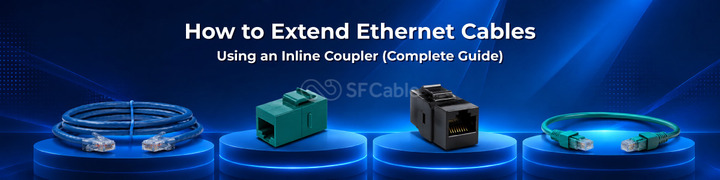
Ethernet connections keep datacenters stable, gamers calm, and network admins one coffee away from a nervous breakdown instead of a full disaster. A loose connection or a cable that falls two feet short can turn a smooth setup into a circus with blinking lights and pure emotional damage. That is where an Ethernet cable extension becomes the hero nobody claps for but everybody needs.
An inline coupler helps extend the connection without ripping cables out of walls like a frustrated action movie villain. A good Ethernet cable coupler keeps the network running while saving time, money, and the last shred of patience in the server room.
Replacing an entire cable for a small distance issue is like buying a new car because the cup holder broke. Simple fixes exist and thankfully they do not require a miracle or a therapy session.
What Is an Inline Coupler?
An inline coupler is a small connector that joins two Ethernet cables to create a longer and cleaner network connection without turning the server room into a jungle of loose wires and broken patience.
An Ethernet cable coupler works by connecting both cable ends through matching RJ45 ports so data moves smoothly without acting like a sleepy employee on a Monday morning. It is a practical fix for Ethernet cable extension projects in datacenters, gaming setups and office networks where replacing the full cable feels like using a bulldozer to crack a peanut. Good cabling keeps everything running while chaos stays exactly where it belongs.
Things You Need Before Extending an Ethernet Cable
Using the right tools and compatible cables keeps the Ethernet cable extension smooth and trouble free.
1. Ethernet Cables
Use quality Ethernet cables with proper insulation and stable connectors because damaged cables behave like that one coworker who disappears during important work and suddenly returns when snacks arrive. Good cables help maintain speed and reduce signal drops in gaming setups, datacenters and office networks.
2. Inline Coupler
An inline coupler connects two Ethernet cables without turning the setup process into a full-scale emotional breakdown. A reliable Ethernet cable coupler keeps the connection secure and helps maintain smooth data transfer during an Ethernet cable extension.
3. Cable Tester Optional
A cable tester checks whether the connection works correctly after installation and saves hours of staring at blinking router lights like they hold the meaning of life. It helps identify wiring faults before network admins start blaming innocent switches and perfectly healthy cables.
4. Compatible Cable Categories
Always match cable categories such as Cat5e or Cat6 because mixing random cables is like putting tractor tires on a sports car and expecting magic. Compatible cables help maintain proper speed performance and stable network communication across the entire setup.
Tips for Best Performance
A few smart networking habits can help an Ethernet cable extension deliver better speed stability and long term performance.
Use High Quality Inline Couplers
A strong inline coupler keeps the network stable and helps maintain proper signal flow without random disconnects ruining the day like an alarm clock that rings five minutes after finally falling asleep. Quality hardware gives better durability and smoother performance for gaming offices and datacenter environments.
Avoid Excessive Cable Lengths
Long cable runs may weaken signal strength and reduce network reliability over time. Keeping cable lengths within recommended limits prevents speed drops and saves network admins from chasing problems that hide better than missing socks inside a laundry machine.
Choose Cat6 or Higher for Faster Speeds
Cat6 cables support higher speeds and better bandwidth which helps streaming gaming and heavy network traffic perform smoothly. Older cables often struggle under pressure and start acting like exhausted gym equipment held together by hope and old duct tape.
Keep Cables Away from Electrical Interference
Keep Ethernet cables away from power cables, heavy machinery and electrical devices, because interference can disrupt network signals in a way that feels unfair. A clean cable path supports a steady connection and helps prevent the network from acting like a possessed vending machine during a power surge.
Inline Coupler vs Crimping a New Ethernet Cable
Both methods help extend network connections but the right choice depends on the setup budget and long term networking needs.
Ease of Use
An inline coupler is faster and simpler because it connects existing cables without cutting stripping or crimping wires like a frustrated mechanic fighting with ancient tools at midnight. Crimping a new cable takes more time and requires proper skills to avoid wiring mistakes and connection failures.
Cost Comparison
An Ethernet cable coupler is usually more affordable for short extensions because it removes the need for extra tools and new cable installations. Crimping can cost more when adding crimping tools, testers and connectors which often pile up like unused gym memberships collecting dust.
Performance Comparison
A high quality Ethernet cable extension performs well for most office gaming and datacenter setups when proper cables and couplers are used. Crimped cables may provide slightly better long term performance but poor crimping can destroy signal quality faster than cheap coffee destroys peaceful mornings.
Best Use Cases
An inline coupler works best for quick fixes, temporary setups and extending existing cables without major installation work. Crimping is better for permanent network infrastructure where custom cable lengths and cleaner cable management matter more than saving time during installation.
Closing Lines
Extending a network connection with an inline coupler keeps the process simple, practical and far less painful than crawling through ceilings while questioning every life decision made since childhood. A proper Ethernet cable extension starts with compatible cables, secure connections and a reliable Ethernet cable coupler that does not collapse under pressure like cheap office chairs during Monday meetings.
From gaming setups to datacenters this method saves time, reduces installation costs and keeps network performance stable without unnecessary chaos. Good hardware and smart cable management always go hand in hand because cutting corners in networking usually ends with frozen screens, angry users and enough frustration to power a small city for three business days.
Original Article :- https://www.sfcable.com/blog/extend-ethernet-cables-inline-coupler