Tips for Treating Lipedema
Posted by Ron johnson
Filed in Health 303 views
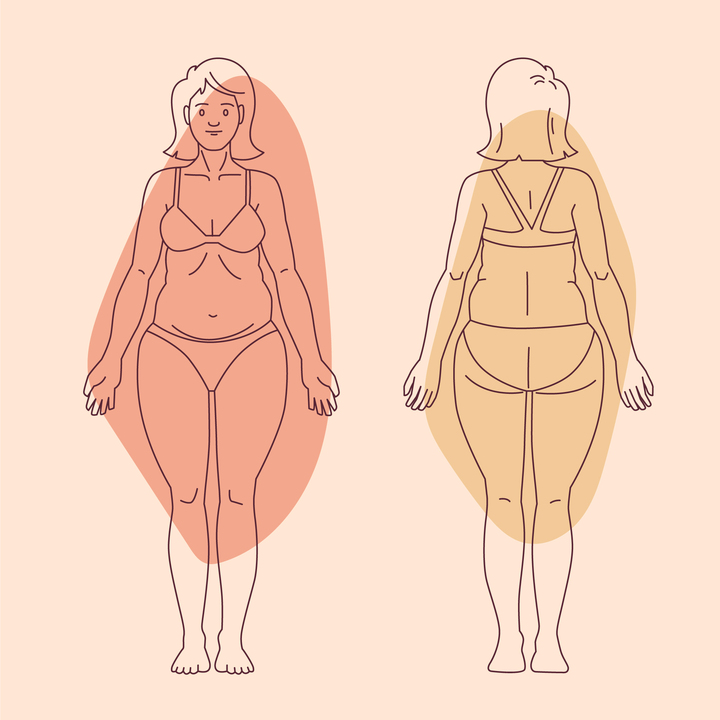
A chronic illness called lipedema mainly affects how fat is distributed throughout the body, sometimes resulting in disproportionate swelling in the legs, thighs, and occasionally the arms. Effective treatment and management may be delayed because it is often misinterpreted or misdiagnosed as simple obesity or lymphatic problems. A combination of medical treatment, lifestyle modifications, and supportive treatments can greatly improve symptoms and quality of life, even if there is no cure. Preventing progression and minimizing discomfort requires early detection and a methodical approach to treatment. People are empowered to take charge of their illness and seek the right care when they are aware of the available treatment alternatives.
Comprehending Lipedema and Its Development
Lipedema is more common in women and usually develops gradually. It frequently starts or gets worse after hormonal changes like adolescence, pregnancy, or menopause. It is typified by symmetrical buildup of fat in the lower body, which is frequently accompanied by pain, soreness, and easy bruising. Lipedema fat is resistant to diet and exercise alone, unlike normal weight growth, which can be very annoying for those who have it. Mobility may become increasingly restricted as the illness worsens, and edema may rise as a result of related lymphatic involvement. Early detection of these signs is crucial for reducing progression and enhancing long-term results. Effective management begins with a proper diagnosis, which should ideally be made by a medical expert knowledgeable about connective tissue and lymphatic problems.
Conservative Methods of Treatment
Conservative management techniques are one of the primary lines of treatment for lipedema, with the goal of lowering symptoms and enhancing everyday functioning. Since compression therapy promotes lymphatic flow and reduces swelling, it is frequently advised. In order to guarantee optimal comfort and efficacy, specialized compression garments are frequently custom-fitted. A mild massage method called manual lymphatic drainage may also help ease discomfort and lessen fluid accumulation. Low-impact activities like walking, cycling, or swimming can also enhance circulation without putting undue stress on afflicted areas. These techniques are essential for controlling symptoms and preserving mobility even when they do not completely eradicate lipedema fat.
Access to Care and Global Awareness
Recent years have seen a notable rise in lipedema awareness, which has improved diagnosis and treatment choices in many nations. One country where lipedema is common is Canada, where patient advocacy organizations and medical professionals are beginning to recognize the condition. Although access to specialist care varies by area, larger cities frequently have more extensive treatment options and support systems. For instance, experts in lipedema from Toronto, where more awareness and clinical competence have improved diagnostic accuracy and treatment planning, may be especially helpful to those seeking professional advice. More patients are getting access to proper care and support systems that are customized to meet their needs as the world's understanding of lipedema keeps growing.
Nutritional Support and Lifestyle Modifications
Maintaining a healthy lifestyle can still have a good impact on symptom management, even though lipedema fat is resistant to conventional weight loss techniques. Anti-inflammatory diets high in lean proteins, healthy fats, and whole foods may help lower inflammation and enhance general health. Lymphatic function can also be supported by minimizing processed meals and drinking plenty of water. Maintaining strength and circulation requires regular exercise that is adapted to each person's abilities. Structured routines have been shown to help people feel less pain and have more energy. Since chronic illnesses like lipedema can affect mental health and self-esteem, emotional well-being is equally vital. Counseling and support groups can offer helpful coping mechanisms and encouragement.
Options for Medical and Surgical Treatment
When conservative measures are insufficient in more difficult situations, medical and surgical treatments may be taken into consideration. Water-assisted or tumescent liposuction, two liposuction methods designed especially for lipedema, can help eliminate aberrant fat deposits and increase mobility. Experts with knowledge of lymphatic-sparing techniques usually carry out these surgeries. It is crucial to remember that surgery is a technique for improving the quality of life and reducing symptoms rather than a cure. Maintaining outcomes still requires post-operative care, which includes compression therapy and continued lifestyle control. Before pursuing surgical alternatives, patients should carefully consider the risks and benefits in collaboration with trained healthcare specialists.
Because lipedema is a complicated disorder, managing it involves a multimodal strategy that includes medical care, lifestyle modifications, and emotional support. Early diagnosis and regular treatment can greatly improve symptoms and quality of life, even if there is presently no cure. Comprehensive treatment planning includes conservative therapies, dietary approaches, and surgical possibilities. People with lipedema have more access to specialist care and support systems as knowledge of the condition rises globally. Effective symptom management and a more active, comfortable lifestyle are achievable with the correct strategy.