How Healthcare Organizations Can Solve the Documentation Crisis
Posted by Andrew Lauzan
Filed in Health 177 views
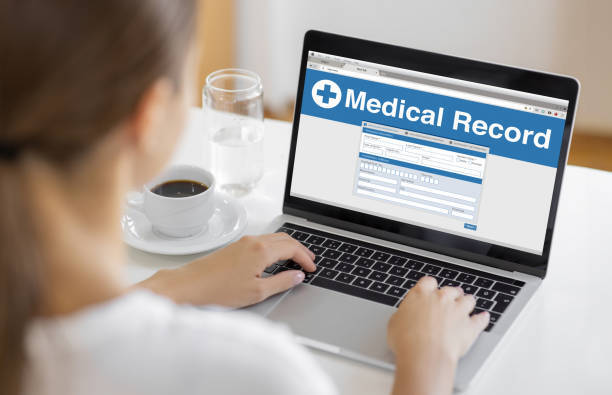
Healthcare organizations today face an increasing documentation burden that affects clinicians, administrators, and patients alike. As patient volumes continue to rise, providers spend more time entering information into digital systems than interacting with the people they care for. This growing imbalance contributes to physician burnout, workflow inefficiencies, and rising operational costs.
The good news is that modern technologies are changing the way healthcare providers manage records. By adopting intelligent automation and streamlined workflows, organizations can reduce administrative pressure while improving the quality of healthcare documentation.
Understanding the Documentation Crisis
Clinical documentation is essential for patient care, billing, compliance, and communication among healthcare professionals. However, traditional documentation methods often require physicians to dedicate several hours each day to note-taking and record management.
Many organizations still rely heavily on manual medical dictation, repetitive data entry, and disconnected systems. These outdated processes slow clinical workflows and increase the likelihood of incomplete or inconsistent records.
The challenge is no longer simply creating documentation—it is creating accurate documentation without reducing valuable patient interaction time.
Why Traditional Workflows No Longer Meet Modern Demands
Healthcare systems have evolved significantly over the past decade, but documentation practices have struggled to keep pace. Clinicians often navigate multiple applications, switch between screens, and manually update patient records throughout the day.
Even with advanced ehr software, providers frequently experience administrative overload when systems are not optimized for daily clinical workflows. Documentation becomes even more time-consuming when patient intake, note generation, and billing processes remain disconnected.
Organizations that continue relying solely on manual documentation methods may find it increasingly difficult to maintain productivity while supporting growing patient populations.
The Role of AI in Modern Documentation
Artificial intelligence is helping healthcare organizations rethink documentation from the ground up. Instead of requiring providers to type detailed notes after every appointment, intelligent systems can capture conversations and generate structured records automatically.
Solutions focused on ai clinical documentation use ambient voice technology to listen during patient visits and create organized clinical notes without interrupting the natural flow of the conversation.
This approach allows physicians to spend more time engaging with patients while reducing administrative work behind the scenes.
Building a Smarter Clinical Workflow
Successfully addressing the documentation crisis requires more than introducing new software. Healthcare organizations must redesign workflows to remove unnecessary administrative tasks while maintaining clinical accuracy.
Key areas that often deliver measurable improvements include:
- Automating patient conversations into structured clinical notes
- Simplifying documentation through seamless ehr integration
- Improving front-office efficiency with ai patient intake
- Reducing repetitive tasks using an AI Medical scribe
- Standardizing soap notes for greater consistency across providers
When these improvements work together, organizations create a smoother clinical experience that benefits both healthcare professionals and patients.
Improving Financial Performance Through Automation
The documentation crisis is not only a clinical challenge—it is also a financial one. Excessive administrative work increases labor costs, delays chart completion, and can contribute to billing inaccuracies.
Healthcare leaders increasingly evaluate automation based on medical scribe roi, considering both direct savings and long-term operational improvements. Reducing manual documentation allows providers to see more patients while minimizing overtime associated with after-hours charting.
Many organizations also recognize significant ai scribe cost savings by reducing dependence on traditional documentation support without compromising note quality.
Ambient Intelligence Is Transforming Clinical Care
The emergence of ambient clinical intelligence represents a major shift in healthcare technology. Instead of asking clinicians to adapt to software, these systems work quietly in the background, capturing relevant clinical information during patient encounters.
This model of ambient ai healthcare reduces interruptions and enables providers to maintain meaningful conversations while documentation is created automatically.
As AI capabilities continue to improve, healthcare organizations are discovering new ways to simplify workflows without increasing administrative complexity.
Integration Is the Foundation of Success
Even the most advanced documentation platform will have limited impact if it cannot connect with existing healthcare systems. Effective ehr integration ensures that clinical information moves efficiently between documentation tools, scheduling systems, and patient records.
Organizations should evaluate interoperability before implementing any new solution. A connected ecosystem reduces duplicate data entry, improves documentation accuracy, and creates a more consistent experience for clinicians.
Likewise, selecting an ai transcription tool that supports existing workflows helps accelerate adoption while minimizing disruption during implementation.
Looking Ahead
The healthcare documentation crisis will continue to challenge organizations unless they adopt more efficient ways of managing clinical information. Manual processes alone cannot keep pace with growing patient demands and increasing regulatory requirements.
Healthcare providers that embrace intelligent documentation, workflow automation, and integrated technologies are better positioned to improve efficiency while supporting clinician well-being. By combining AI-powered documentation, streamlined patient intake, connected systems, and modern transcription capabilities, organizations can reduce administrative burdens and allow providers to focus on delivering exceptional patient care.
The future of healthcare is not about creating more documentation—it is about creating smarter documentation that supports better outcomes for everyone involved