Poha & Weight Loss: What You Should Know
Posted by Ramdev Sharma
Filed in Health 1K views
Poha, a flattened rice dish popular in Indian kitchens, is a breakfast favorite across many regions. But with increasing awareness about fitness and weight management, one question frequently comes up: Is Poha Good for Weight Loss? In this guide, we’ll explore its nutritional profile, how it affects your metabolism, and smart ways to include it in a balanced diet.
What Is Poha? A Quick Overview
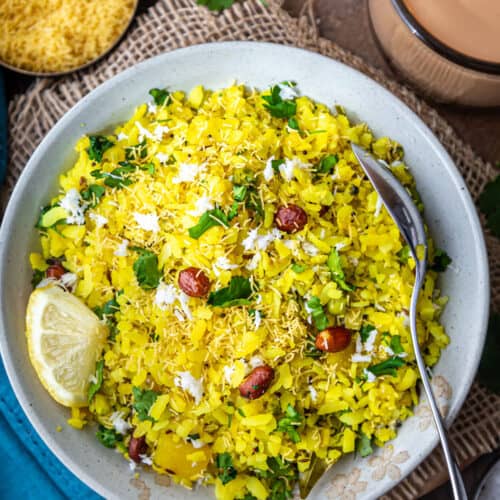
Poha is made from dehusked and flattened rice flakes. Light, fluffy, and easy to prepare, it’s often cooked with mild spices, vegetables, and sometimes peanuts or peas. Its soft texture and gentle flavor make it a go-to breakfast or snack item for many, but its role in weight management is not just about taste it’s about how your body processes it.
Nutritional Profile of Poha
When talking about weight loss, understanding the nutrients in your food is essential. Here’s a quick breakdown:
-
Carbohydrates: Provides energy without heaviness
-
Fiber: Helps keep you full longer
-
Protein: Depends on ingredients added (like peanuts, peas)
-
Micronutrients: Iron, B vitamins, magnesium
Poha itself is relatively low in calories compared to some other breakfast options like fried snacks or sugary cereals. Yet its impact on weight depends on how it’s prepared and portion size.
Is Poha Good for Weight Loss? The Truth
Yes — when eaten mindfully and prepared the right way, poha can be a part of a weight-loss friendly diet. Here’s why:
1. Low to Moderate Calorie Content
Poha provides sustained energy without a heavy calorie load, especially when cooked with minimal oil and lots of veggies.
2. Keeps You Satisfied Longer
The combination of carbohydrates and fiber helps promote satiety, helping you avoid mid-morning snacking.
3. Digestive Friendly
Poha is gentle on the digestive system, especially when paired with easy-to-digest vegetables and spices like turmeric.
4. Versatile & Balanced
You can easily turn it into a balanced meal by adding protein sources like peanuts, sprouts, or low-fat yogurt.
Healthy Poha Variations for Weight Loss
Making smart choices in ingredients can transform poha from just tasty to truly nutritious and weight-supportive.
Vegetable Poha
Add carrots, peas, beans, and capsicum to boost fiber and micronutrient content.
Sprouted Moong Poha
Mix sprouted moong beans to add plant-based protein and improve nutrient absorption.
Lemon & Herb Poha
Light seasoning with lemon, coriander, and cumin makes it refreshing and low-calorie.
Moong Dal Poha Mashup
Mix soaked and lightly cooked moong dal with poha for a protein-rich bowl that supports muscle maintenance.
Portion Size Matters
Even healthy foods can contribute to a calorie surplus if portion sizes are ignored. A balanced poha serving (about 1–1.5 cups cooked) is ideal for most adults looking to manage weight, especially when paired with a protein source and a side of fresh vegetables or fruit.
Best Time to Eat Poha for Weight Goals
Poha works particularly well as a breakfast or mid-morning meal. Its carbohydrate profile provides energy without heaviness, and its fiber helps maintain blood sugar levels until lunch.
Pairing it with tea or coffee without added sugars also keeps your morning routine light and balanced.
Poha vs Other Breakfast Options
Here’s how poha compares:
| Breakfast | Calorie Density | Satiety | Ease of Digestion | Weight-Friendly |
|---|---|---|---|---|
| Poha | Medium | Good | Excellent | ✔️ |
| Paratha | High | Moderate | Heavy | ❌ |
| Sugary Cereal | High | Low | Moderate | ❌ |
| Oats | Low | High | Very Good | ✔️ |
While oats may edge out poha for fiber and soluble starches, poha remains a strong contender for everyday weight-supportive meals when prepared healthily.
Final Verdict: Is Poha Good for Weight Loss?
Yes — poha can be good for weight loss when prepared with minimal oil, loaded with vegetables, and consumed in sensible portions. It’s easy to digest, keeps you full, and can fit into a balanced meal plan. However, as with all foods, it works best within a calorie-controlled, nutrient-rich diet, combined with physical activity.
If you are looking for more tailored guidance on incorporating traditional foods into your weight goals, explore recipes and meal tips aligned with your metabolism and lifestyle.