Staircase Fabrication Drawings Services | Code-Compliant & Precision-Driven Designs
Posted by Drawstick LLC
Filed in Business 801 views
Introduction
In modern construction, accuracy is not a preference—it is a requirement. Nowhere is this more evident than in staircase design and fabrication. Staircases are critical structural components that must align with tight spatial constraints, comply with strict safety codes, and support long-term durability. Even a minor drafting error can lead to failed inspections, fabrication rework, or costly project delays.
Despite their importance, staircases are often underestimated during planning. Contractors frequently encounter issues such as misaligned stringers, inconsistent riser heights, or missing connection details—all stemming from incomplete or unclear drawings. Professional staircase fabrication drawings eliminate these risks by delivering precise, shop-ready documentation that fabricators and installers can rely on with confidence.
What Are Staircase Fabrication Drawings?
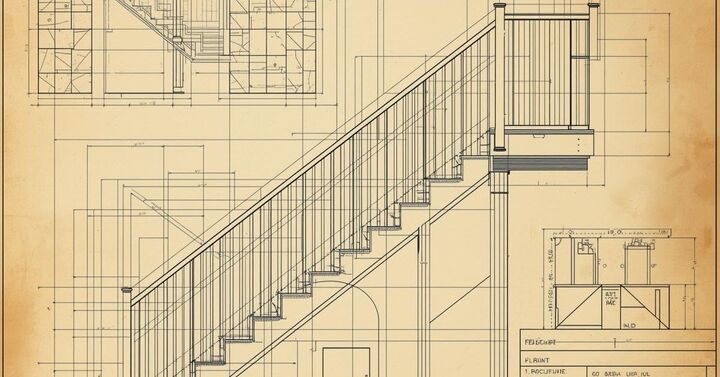
Staircase fabrication drawings are highly detailed technical documents created specifically for manufacturing and installing stair systems. Unlike architectural drawings, which focus on design intent, fabrication drawings translate that intent into exact construction instructions.
These drawings typically include:
-
Complete plans, sections, and elevations
-
Exact dimensions and tolerances
-
Material grades and specifications
-
Welding, bolting, and anchorage details
-
Tread, riser, landing, and guardrail layouts
-
Surface finishes and coating requirements
They serve as the definitive reference for fabricators, welders, and site crews, ensuring consistent execution from shop to site.
Why Precision Staircase Drawings Matter
Well-developed staircase fabrication drawings significantly reduce construction risks and inefficiencies. Clear documentation allows teams to work proactively instead of reacting to on-site issues.
Key benefits include:
-
Reduced fabrication and installation errors
-
Minimal on-site adjustments and rework
-
Faster permit approvals and inspections
-
Improved safety during construction and use
-
Reliable compliance with building and accessibility codes
By resolving technical details early, projects stay on schedule and within budget.
Steel Staircase Fabrication Drawings: Precision Without Compromise
Steel staircases are widely used in commercial and industrial projects due to their strength, versatility, and modern appearance. However, steel fabrication allows little margin for error—mistakes can be expensive and time-consuming to fix.
Professional steel staircase drawings clearly define:
-
Stringer profiles and geometry
-
Tread and riser spacing
-
Structural load requirements
-
Weld types, sizes, and locations
-
Base plates, anchors, and support connections
Accurate drawings streamline steel fabrication, improve shop productivity, and ensure smooth installation on site.
How Staircase Fabrication Drawings Are Created
The development of reliable staircase drawings follows a structured and disciplined workflow.
1. Site Evaluation and Code Analysis
Design begins with a review of site conditions, applicable building codes, and project requirements. Space limitations, occupancy type, and load criteria are carefully assessed.
2. Staircase Type Selection
Based on functional and architectural needs, the appropriate stair configuration—straight, spiral, helical, or switchback—is finalized.
3. Detailed Field Measurements
Precise measurements are captured to prevent conflicts during fabrication and installation. Accuracy at this stage is critical.
4. Structural Review and Validation
Engineering checks confirm that the staircase meets all structural and safety standards.
5. Shop-Ready Drawing Production
Final fabrication drawings are prepared with every detail required for manufacturing, assembly, and installation.
Importance of Staircase Drawings in Construction Cost Estimating
Accurate staircase drawings play a vital role in construction cost estimation. When materials, quantities, and connections are clearly defined, estimators can produce reliable and defensible budgets.
These drawings support:
-
Commercial sitework estimating by clearly defining scope
-
Industrial cost estimation through accurate steel takeoffs
-
Concrete estimating for landings, supports, and interfaces
Clear drawings lead to dependable estimates—and dependable estimates protect profitability.
Why Contractors Rely on Professional Staircase Drafting Services
Experienced staircase drafting specialists anticipate issues before they reach the fabrication floor or job site. This proactive approach improves coordination and reduces costly surprises.
Key advantages include:
-
Fewer RFIs and coordination conflicts
-
Faster approval and review cycles
-
Reduced material waste
-
Shorter fabrication and installation timelines
- More Details
Professional drawings turn staircases from a potential risk into a controlled and predictable construction element.
Long-Term Value of High-Quality Staircase Drawings
Choosing low-quality or incomplete staircase drawings may reduce upfront costs, but it often results in long-term problems. Rework, delays, and safety issues quickly outweigh any initial savings.
Quality fabrication drawings ensure your staircase:
-
Fits correctly on the first installation
-
Meets all safety and accessibility requirements
-
Integrates seamlessly with surrounding structures
-
Delivers lasting performance and durability
Conclusion
Clear documentation is the foundation of successful construction. Staircase fabrication drawings provide the precision, coordination, and foresight required to deliver safe, efficient, and code-compliant stair systems. From cost control to long-term performance, their value extends far beyond the drafting stage.
Investing in professional staircase fabrication drawings is not just a technical decision—it is a strategic move toward safer construction, smoother execution, and lasting project success.
FAQs
What distinguishes fabrication drawings from architectural staircase drawings?
The architecture wall section show design intent, while fabrication drawings provide exact dimensions and construction details required for manufacturing and installation.
Are staircase fabrication drawings required for all projects?
While requirements vary, most commercial and industrial projects rely on them to meet safety regulations, fabrication accuracy, and inspection standards.
How do staircase drawings improve cost accuracy?
They define precise material quantities and connections, enabling accurate estimating for steel, concrete, and sitework.
Can staircase fabrication drawings be customized?
Yes. All professional drawings are tailored to specific site conditions, design requirements, and local building codes.
How long does it take to prepare staircase fabrication drawings?
Timelines vary by complexity, but most projects are completed within a few days to two weeks.