The Science Behind Red Light Therapy at Home
Posted by Re-nū Smart Beauty
179 views
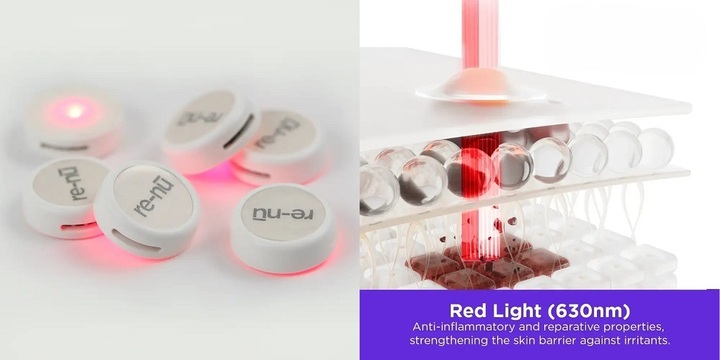
Interest in red light therapy at home continues to grow as more people look for practical ways to support healthier-looking skin. This technology uses carefully selected wavelengths of red and near-infrared light to encourage natural cellular activity without invasive procedures. Home devices make it easier to add this approach to a regular skincare routine while offering flexibility and convenience. Learning how the treatment works can help set realistic expectations and encourage consistent use.
How Red Light Reaches Skin Cells
Red light therapy uses low-level wavelengths that penetrate beneath the skin's surface without causing damage. These wavelengths reach cells where they interact with mitochondria, the structures responsible for producing cellular energy.
When stimulated by therapeutic light, mitochondria increase the production of adenosine triphosphate (ATP). ATP supplies energy for normal cellular functions, including repair and renewal. With greater energy available, skin cells can perform these processes more efficiently.
Researchers continue to study this response, and current findings suggest that consistent treatment supports healthier skin function while preserving the skin's natural barrier.
Why Collagen Production Changes Skin Appearance
Collagen gives skin firmness, structure, and elasticity. As natural collagen production slows with age, skin gradually develops fine lines, reduced firmness, and a thinner appearance.
Red light therapy at home encourages fibroblasts, the cells responsible for producing collagen, to remain active. Increased collagen production develops gradually, helping improve skin texture and elasticity over time.
Because collagen renewal takes time, visible changes usually appear after several weeks of regular sessions instead of immediately after treatment.
Benefits That May Develop With Consistent Use
Many people include light therapy as part of a broader skincare routine focused on long-term maintenance. Regular use may support several cosmetic improvements, including:
- Smoother-looking skin
- Improved skin texture
- Enhanced skin firmness
- Softer appearance of fine lines
- Brighter, more even-looking skin tone
- Reduced visible redness after blemishes
These improvements depend on consistent use, individual skin characteristics, and healthy daily skincare habits.
Creating a Practical Treatment Routine
Many skincare professionals recommend sessions lasting between 10 and 20 minutes. A common schedule includes three to five treatments each week while following the manufacturer's recommended distance between the device and the skin.
Most people evaluate visible changes after four to eight weeks of regular use. Individual timelines vary according to age, skin condition, lifestyle, and the specific device selected.
Direct light exposure remains important during treatment. Clothing blocks therapeutic wavelengths, so the targeted skin should remain uncovered whenever possible.
Safety Across Different Skin Types
Red and near-infrared light differ from ultraviolet light because they do not trigger tanning or sun damage. The treatment also avoids the heat associated with some cosmetic procedures.
Most skin types tolerate this technology well when devices are used according to instructions. The gentle approach makes it suitable for people seeking cosmetic improvements without significant downtime.
Anyone with photosensitivity conditions or medications that increase light sensitivity should consult a healthcare professional before starting treatment.
Build Healthy Habits for Lasting Results
Healthy-looking skin develops through consistent care. Gentle cleansing, daily moisturizing, sun protection, balanced lifestyle habits, and regular light therapy can all support gradual cosmetic improvements. Patience remains valuable because cellular renewal takes time, and steady routines tend to produce natural-looking results.
If learning more about light-based skincare is part of your wellness journey, re-nū Smart Beauty offers educational resources and thoughtfully designed light therapy devices to help support healthier, brighter-looking skin at home. For more information about Acne Tools, please visit re-nū Smart Beauty.