How Does Emergency Fire Damage Cleanup Reduce Secondary Losses During Full Fire Cleanup and Restoration Projects?
Posted by Mark Brown
Filed in Business 872 views
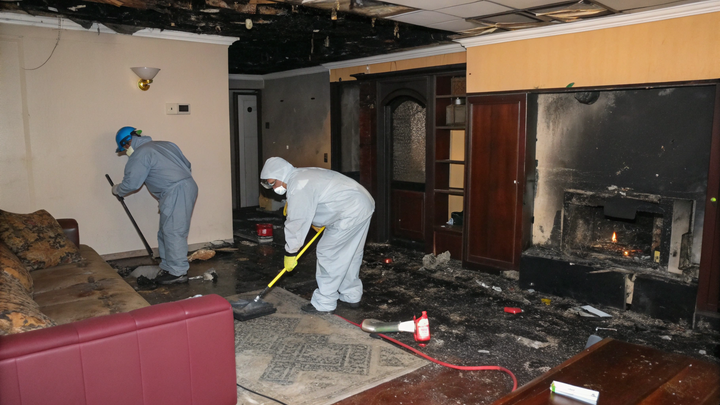
Summary
Emergency fire damage remediation minimizes secondary losses by acting quickly to stabilize a property after a fire. Immediate removal of soot, smoke, and water prevents corrosion, mold growth, permanent odors, and structural weakening. Services like drying, deodorization, and property securing reduce additional damage, lower restoration costs, and speed up recovery. Early professional intervention protects salvageable materials and ensures a smoother, more efficient full fire restoration and cleanup process.
-
Introduction
When a fire strikes a home or commercial property, the damage doesn’t stop once the flames are out. In fact, secondary damage often begins immediately after the fire is extinguished. Smoke residue, soot, water used for firefighting, and exposure to the elements can quickly worsen the situation.
This is where emergency fire damage restoration plays a critical role. Acting fast can significantly reduce secondary losses and set the foundation for a successful full fire restoration and cleanup project.
In this blog, we’ll break down how emergency fire damage restoration works, why it’s essential, and how it minimizes additional damage saving time, money, and stress.
What Is Emergency Fire Damage Cleanup?
It refers to immediate post-fire mitigation services performed to stabilize a property during the early stages of fire cleanup and restoration. These services typically begin within hours of the incident and are designed to prevent further deterioration and additional losses before full restoration work begins.
Common emergency fire cleanup services include:
-
Removing soot and smoke residue
-
Extracting standing water from firefighting efforts
-
Drying and dehumidifying affected areas
-
Securing the property (board-up and tarping)
-
Ventilating smoke-affected spaces
-
Initial odor control
Unlike full restoration, emergency cleanup focuses on damage control and stabilization, not rebuilding, making it a critical first step in the overall fire restoration and cleanup process.
Understanding Secondary Losses After a Fire
Secondary losses are additional damages that occur after the initial fire, often due to delays or improper handling.
Examples of Secondary Fire Damage:
-
Corrosion of metal surfaces from acidic soot.
-
Mold growth from moisture left behind.
-
Permanent smoke odor absorption into materials.
-
Structural weakening due to prolonged water exposure.
-
Staining of walls, ceilings, and furnishings.
-
Increased restoration costs due to advanced deterioration.
Without immediate intervention, these issues can escalate rapidly.
How Emergency Fire Damage Remediation Reduces Secondary Losses
1. Stops Soot and Smoke Corrosion Early
Smoke and soot residues are highly acidic. When left untreated, they begin to:
-
Etch glass.
-
Corrode metals.
-
Stain walls, ceilings, and fixtures.
-
Damage electronics beyond repair.
Emergency cleanup neutralizes and removes soot quickly, preventing irreversible corrosion and surface degradation.
2. Prevents Water Damage and Mold Growth
Firefighting efforts often involve thousands of gallons of water. If not addressed immediately, this moisture can:
-
Soak into flooring, drywall, and insulation.
-
Cause warping and swelling of materials.
-
Create ideal conditions for mold growth within 24–48 hours.
Emergency water extraction and drying stop moisture-related secondary losses before they spiral into a mold remediation issue.
3. Reduces Permanent Smoke Odor Penetration
Smoke odors don’t just linger in the air they penetrate:
-
Carpets and rugs.
-
Upholstery.
-
Curtains and clothing.
-
HVAC systems.
-
Wall cavities.
The longer smoke residues remain, the deeper odors embed into materials. Emergency deodorization and ventilation limit odor absorption, making full restoration far more effective.
4. Protects Structural Integrity
Delayed cleanup allows moisture and residue to weaken structural components such as:
-
Wooden beams
-
Subflooring
-
Drywall
-
Load-bearing supports
By stabilizing the environment early, emergency cleanup helps preserve structural elements and reduces the need for costly replacements during restoration.
5. Secures the Property From External Damage
Fires often leave properties exposed with:
-
Broken windows
-
Burned doors
-
Compromised roofs
Emergency board-up and tarping services:
-
Prevent rain and weather damage
-
Deter vandalism and theft
-
Reduce liability risks
This protective step is crucial in minimizing non-fire-related secondary losses.
6. Improves Indoor Air Quality and Safety
Soot particles and airborne contaminants pose serious health risks, including:
-
Respiratory irritation
-
Allergic reactions
-
Toxic exposure
Emergency air filtration and cleaning remove hazardous particulates, creating a safer environment for occupants, restoration crews, and insurance inspectors.
7. Streamlines the Full Restoration Process
When emergency cleanup is performed correctly:
-
Restoration timelines are shorter
-
Salvageable items are preserve
-
Repair costs are reduced
-
Insurance claims are easier to document
Essentially, emergency fire damage restoration lays the groundwork for a smoother, more efficient restoration project.
Emergency Cleanup vs. Delayed Action: A Quick Comparison
|
Emergency Cleanup |
Delayed Cleanup |
|
Minimal secondary damage |
Extensive corrosion and mold |
|
Lower restoration costs |
Higher repair and replacement costs |
|
Faster project completion |
Prolonged restoration timeline |
|
Better odor removal |
Persistent smoke smells |
|
Improved salvage potential |
More items deemed unsalvageable |
Final Thought
In the aftermath of a fire, time is one of the most critical factors in protecting a property from further harm. Emergency fire damage cleanup plays a vital role during full fire restoration and cleanup projects by stopping hidden threats like corrosion, moisture damage, and lingering smoke from spreading. Taking immediate action not only preserves structural integrity and salvageable materials but also creates a safer environment and a more efficient path forward for restoration professionals to complete repairs effectively and with fewer complications.