What Are the Benefits of Marshmallow Root Capsules?
Posted by Michael Christopher
Filed in Music 24 views
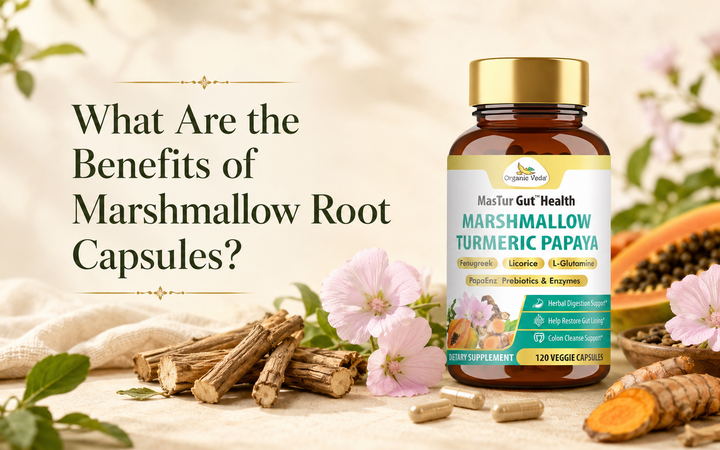
Marshmallow root may sound like it has something to do with the soft, sweet confection, but the herb has a much older history. Marshmallow root comes from Althaea officinalis, a plant traditionally used in herbal preparations for the mouth, throat, and digestive system. Today, the root is available in teas, extracts, powders, syrups, and convenient marshmallow root capsules.
Interest in marshmallow root comes largely from its naturally occurring mucilage, a gel-like plant substance that becomes slippery when mixed with water. This characteristic helps explain why marshmallow root has traditionally been used for soothing purposes. Modern capsule products make the herb easier to incorporate into a daily routine without preparing teas or liquid extracts.
So, what are the benefits of marshmallow root capsules? Their potential value is mainly connected with soothing digestive comfort, supporting irritated tissues, and offering a convenient way to consume marshmallow root. However, the available clinical evidence remains limited, and many recognized uses are based primarily on long-standing traditional use rather than strong modern clinical trials.
What Are Marshmallow Root Capsules?
Marshmallow root capsules are dietary supplements containing powdered marshmallow root, a dried extract, or another concentrated preparation of Althaea officinalis. The root of the plant is particularly valued for its mucilage content.
When marshmallow root comes into contact with moisture, its mucilage can create a soft, gel-like consistency. This physical property has traditionally made the herb useful in preparations intended to coat and soothe sensitive tissues.
Capsules provide a different experience from marshmallow root tea or syrup because the ingredient is enclosed in a measured serving. They are convenient for people who dislike herbal flavors, travel frequently, or prefer not to prepare loose powders. However, capsule formulas can vary considerably in concentration, extraction method, serving size, and additional ingredients.
How May Marshmallow Root Capsules Support Digestive Comfort?
One of the most common traditional uses of marshmallow root involves mild digestive discomfort. Its mucilage is thought to contribute to a soothing effect by interacting with moist surfaces within the digestive tract.
The European Medicines Agency recognizes the traditional use of marshmallow root preparations for relieving mild stomach and gastrointestinal discomfort. Importantly, this recognition is based on long-standing herbal use rather than sufficient evidence from high-quality clinical trials.
For everyday wellness, this means marshmallow root capsules may appeal to adults looking for a botanical ingredient that complements digestive comfort. They should not be viewed as a treatment for ulcers, inflammatory bowel disease, acid reflux, or another diagnosed gastrointestinal condition.
People experiencing persistent abdominal pain, unexplained digestive changes, bleeding, severe reflux, or other continuing symptoms should seek appropriate medical evaluation rather than relying on a supplement.
Why Is Mucilage Important in Marshmallow Root?
Mucilage is one of the defining components of marshmallow root. It consists of plant-derived polysaccharides that absorb water and develop a slippery, gel-like texture.
This feature is important because many traditional applications of Althaea officinalis relate more to physical soothing than to a strong systemic effect. The moist mucilage can form a temporary coating when marshmallow root preparations directly contact tissues.
This also explains why the form of the supplement matters. A tea, syrup, or lozenge may make direct contact with the mouth and throat differently from a swallowed capsule. Consumers should therefore avoid assuming that every marshmallow root preparation produces identical effects simply because the botanical ingredient is the same.
The amount of mucilage present can also depend on the quality of the raw root, processing method, extraction conditions, and storage.
Can Marshmallow Root Support Throat Comfort?
Marshmallow root has a long history of traditional use for irritation of the mouth and throat and for dry cough associated with throat irritation. The European Medicines Agency includes these uses in its traditional herbal assessment.
Research examining marshmallow root preparations for dry cough has reported potentially useful soothing effects, but the evidence base is still relatively limited. Some studies have involved syrups or lozenges rather than marshmallow root capsules, which is an important difference when interpreting results.
A swallowed capsule may not provide the same immediate coating effect in the throat as a liquid preparation. For consumers mainly interested in throat comfort, the dosage form therefore deserves consideration alongside the ingredient itself.
Marshmallow root should not be presented as a treatment for persistent cough, infection, asthma, or another respiratory condition.
Are Marshmallow Root Capsules Convenient for Everyday Herbal Wellness?
Convenience is one of the clearest practical benefits of marshmallow root capsules. Herbal teas require measuring, steeping, and preparation, while loose powders may have a taste or texture that some people find difficult to use consistently.
Capsules provide a premeasured format that can be stored and transported easily. This may suit people who want marshmallow root as part of a broader botanical wellness routine.
However, convenience does not mean that all capsules are equivalent. Some products contain plain root powder, while others use concentrated extracts. A serving may also require one capsule or several capsules depending on the formulation.
For this reason, comparing the actual Supplement Facts panel is more useful than comparing only front-label claims.
What Should You Look for When Choosing Marshmallow Root Capsules?
Quality begins with identifying exactly what the product contains. A supplement label should clearly identify marshmallow root as Althaea officinalis and specify the amount provided per serving.
Consumers should also examine whether the formula contains whole-root powder or an extract. When an extract is used, information about concentration or extraction ratio can provide additional context.
Additional ingredients also matter. Some capsule products contain blends of marshmallow root with herbs such as slippery elm, licorice, ginger, or digestive botanicals. A multi-ingredient supplement may serve a different purpose from a single-herb formula.
Transparent manufacturing information and credible third-party testing can provide additional reassurance about identity and quality. A large milligram number alone does not automatically establish purity, effectiveness, or superior quality.
How Are Marshmallow Root Capsules Different From Marshmallow Root Powder?
Marshmallow root capsules and loose powder may contain similar botanical material, but the formats serve different preferences.
Capsules offer portability, consistent serving sizes, and minimal taste. Loose marshmallow root powder offers greater flexibility because it can be measured and added to selected preparations.
The key difference is therefore often delivery rather than the underlying herb. If both products contain comparable marshmallow root material, their quality depends more on sourcing, processing, concentration, storage, and serving size than whether the supplement comes in a bottle of capsules or a pouch of powder.
People specifically interested in the mucilage characteristics of marshmallow root should also consider how their chosen preparation is intended to be used.
Are There Any Precautions With Marshmallow Root Capsules?
Marshmallow root is generally associated with traditional herbal use, but supplements should still be used thoughtfully.
Because mucilage can form a coating within the digestive tract, there is a theoretical concern that marshmallow root could alter the absorption of medicines taken at the same time. People taking prescription medications should therefore discuss supplement timing and suitability with a pharmacist or healthcare professional.
Pregnant or breastfeeding individuals, children, people managing ongoing medical conditions, and anyone taking multiple medications should seek individualized advice before using concentrated herbal supplements.
Consumers should also follow the serving instructions provided for their specific product rather than assuming that all marshmallow root supplements require the same amount.
Do Marshmallow Root Capsules Work for Everyone?
No herbal supplement can be expected to produce the same result for every person. Individual experience with marshmallow root may depend on the intended use, preparation type, concentration, serving size, overall diet, and personal health circumstances.
The evidence for marshmallow root is also different from the evidence available for well-established medical treatments. Its recognized uses for mild gastrointestinal discomfort and throat irritation are largely supported by traditional use, and stronger clinical research is still needed.
This distinction is important when evaluating online claims. Phrases such as “heals the gut,” “repairs the stomach lining,” or “cures acid reflux” go beyond what current evidence can responsibly establish.
Conclusion
The potential benefits of marshmallow root capsules are closely connected with the traditional soothing properties of Althaea officinalis. Marshmallow root contains mucilage, a naturally occurring plant substance that absorbs water and develops a gel-like texture. This characteristic helps explain its long-standing use for mild digestive discomfort and irritation involving the mouth and throat.
Capsules make the botanical easy to store, transport, and incorporate into an everyday routine, especially for people who prefer to avoid the taste and preparation involved with herbal teas or loose powders. At the same time, capsules may behave differently from syrups, teas, and lozenges, particularly when direct contact with throat tissues is desired.
Marshmallow root is best approached as a traditional herbal supplement rather than a proven treatment for digestive or respiratory disease. Choosing clearly labeled marshmallow root capsules, following product directions, and considering medications and individual health circumstances can help consumers make more informed decisions about whether this botanical fits their wellness routine.