Choosing the Best Homeschool Science Curriculum for Every Grade Level
Posted by Home Science Tools
Filed in Business 214 views
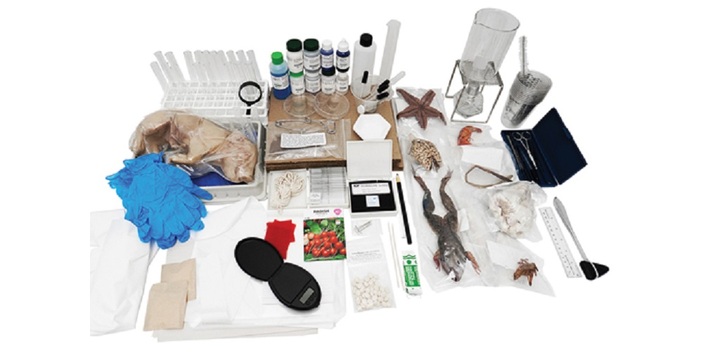
The right homeschool science curriculum can make science education more engaging for students. Science introduces children to observation, experimentation, critical thinking, and problem-solving. A structured curriculum provides clear guidance while helping students develop confidence as they explore scientific concepts.
Every grade level presents different learning needs. Understanding how science education changes from elementary school through high school can help families choose materials that align with educational goals and learning styles.
Elementary Science: Building Curiosity Through Exploration
Elementary students benefit from science lessons that encourage discovery and hands-on learning. At this stage, children are naturally curious about the world around them. Lessons that include experiments, observations, and simple projects help transform that curiosity into scientific understanding.
Many elementary science programs introduce foundational topics in biology, chemistry, physics, and earth science through age-appropriate lessons and hands-on activities. They strengthen learning because children can connect scientific ideas with real-world experiences. Simple lab exercises, nature observations, and guided investigations help young learners develop a strong foundation for future science studies.
Middle School Science: Expanding Knowledge and Skills
Middle school science introduces more detailed concepts and encourages students to think analytically. Learners begin exploring scientific processes in greater depth while developing stronger observation and reasoning skills.
A structured curriculum provides a sequence that helps students connect new information with previously learned concepts. Topics become more specialized, covering areas such as life science, physical science, and earth science.
Laboratory activities remain important during these years. Experiments allow students to apply theories, record results, and draw conclusions based on evidence. These experiences support scientific thinking and prepare students for more advanced coursework.
Curriculum selection at this stage should consider the student's interests, learning pace, and future academic goals. Materials that include clear instructions and organized lessons can help maintain consistency while supporting independent learning.
High School Science: Preparing for Advanced Study
High school science courses require greater depth and academic rigor. Students encounter subjects such as biology, chemistry, physics, and environmental science with increasing complexity.
Many homeschooling families select structured science programs that provide detailed instruction, laboratory activities, and clear academic progression. These courses help students develop skills needed for college preparation and future science-related studies.
Laboratory experiences remain an essential component of high school science. Conducting experiments, analyzing data, and writing lab reports help students practice scientific methods while strengthening critical thinking skills.
A well-organized curriculum can also simplify lesson planning and ensure that students complete the coursework required for graduation or college admissions.
Structured Curriculum Versus Unschooling in Science Education
Families approach homeschooling in different ways, including structured curriculum models and unschooling methods. Each strategy offers unique advantages, but science education can benefit significantly from a structured framework.
A structured homeschool science curriculum presents concepts in a logical sequence. Students build knowledge step by step, creating stronger connections between topics. Organized lessons also help ensure exposure to essential scientific principles and laboratory experiences.
Unschooling encourages learners to pursue interests independently. This strategy can inspire enthusiasm and self-directed exploration. However, scientific topics sometimes require progressive instruction to advanced concepts.
Structured science programs provide lesson plans, experiments, assessments, and educational resources that create consistency. Families gain a roadmap that supports learning objectives while reducing uncertainty about topic coverage.
Science Curriculum Options for Multiple Learning Styles
Many homeschooling families teach children of different ages, interests, and learning preferences. Flexible curriculum options can make science education easier to manage.
Some science programs are designed to support multiple grade levels while providing guided instruction, laboratory activities, and flexible scheduling options. The program includes hands-on materials, teacher guides, and student workbooks that support active participation. Flexible formats allow families to select full-year programs or individual curriculum kits based on learning goals.
Resources that combine experiments, reading assignments, vocabulary development, and guided instruction can help students remain engaged while strengthening scientific understanding.
Creating a Strong Science Learning Experience
Science education becomes more approachable when families have access to organized materials, hands-on activities, and clear instructional support. The right curriculum can encourage curiosity, strengthen analytical skills, and help students gain confidence as they explore scientific concepts at every grade level.
If you're looking for curriculum resources, lab materials, and hands-on science solutions, Home Science Tools offers programs and kits to support engaging homeschool science education from kindergarten through high school.
For more information about Earth Science Curriculum and Science Kits Please visit: Home Science Tools.