What to Do With Old Fire Extinguishers Without Creating a Safety Hazard
Posted by Smith Matthew
204 views
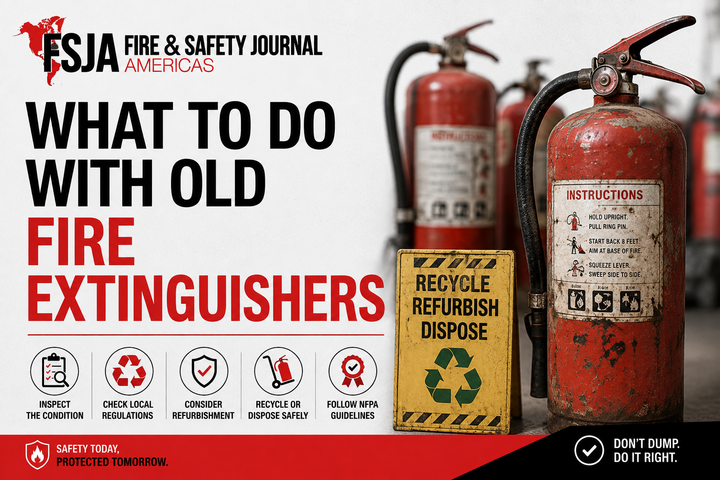
Fire extinguishers are often stored for years and only noticed when they are needed or when someone discovers that they have become old. Although these devices are built to withstand demanding conditions, they can deteriorate over time. Corrosion, physical damage, pressure loss, and poor storage can affect their reliability.
An extinguisher that is no longer suitable for service also needs careful handling. Throwing it into ordinary waste, attempting to open it, or discharging it without proper knowledge can create unnecessary risks. Before deciding how to remove an old unit, its condition should be considered and the appropriate professional or local disposal route identified.
Why Old Fire Extinguishers Can Become Hazardous
A fire extinguisher is a pressurized container, so age and deterioration can affect more than its appearance. Even a cylinder that looks relatively intact may require professional assessment before it is handled or removed from service.
Several conditions can make an older unit hazardous:
-
Internal pressure: Extinguishers can remain pressurized even when they have not been used for years.
-
Corrosion: Rust and pitting can weaken the cylinder, particularly when the equipment has been exposed to moisture.
-
Damaged components: Valves, handles, hoses, nozzles, and safety mechanisms can deteriorate or become defective.
-
Poor storage: Excessive heat, direct sunlight, moisture, and physical impacts can accelerate deterioration.
-
Leaking contents: A leak can indicate a problem with the valve, cylinder, or other components.
These issues are why an old extinguisher should not automatically be treated like an ordinary metal container. If there is obvious damage, avoid unnecessary handling and seek professional advice.
How to Check an Old Fire Extinguisher Safely
A basic visual check can help identify obvious problems, but it should not replace professional inspection or required maintenance.
Start by examining the exterior without opening or dismantling the unit. Look for rust, deep dents, cracks, leaks, or other visible damage. Pay particular attention to the area around the valve and connections.
If the extinguisher has a pressure gauge, check whether the indicator appears to be within the appropriate range. However, a normal gauge reading does not guarantee that the entire extinguisher is safe or operational.
Also check the hose, nozzle, handle, safety pin, tamper seal, and inspection tag. Maintenance records can provide useful information about previous servicing and testing.
If the cylinder is severely corroded, leaking, badly dented, or otherwise compromised, do not handle it more than necessary. A qualified fire equipment professional can determine the safest next step.
Should You Still Use an Old Fire Extinguisher?
An extinguisher does not automatically become unusable simply because it has been in storage for a long time. Its condition, type, maintenance history, inspection status, and applicable requirements all matter.
For example, an older extinguisher that has been properly maintained and remains structurally sound may be suitable for continued service following appropriate professional assessment. On the other hand, a relatively newer extinguisher with severe corrosion or physical damage may need to be removed.
If you cannot confirm when the unit was last inspected or serviced, it is better to have it assessed rather than assuming that it will work during an emergency.
An extinguisher should be taken out of service when it fails applicable inspection or testing requirements, has significant damage, or is otherwise determined to be unsuitable. If it is removed, arrange suitable replacement protection so the area is not left without the required equipment.
What to Do With Old Fire Extinguishers
If you are unsure what to do with old fire extinguishers, the safest starting point is to determine whether the unit can still be professionally serviced or needs to be removed from service.
A qualified fire equipment provider can inspect the extinguisher and advise whether it can be maintained, recharged, recycled, or replaced.
Depending on the circumstances, appropriate options may include:
-
Professional servicing: A structurally sound extinguisher may be suitable for inspection, maintenance, or recharge.
-
Approved recycling: Some facilities accept fire extinguisher cylinders and recover recyclable metal.
-
Specialized disposal: Certain extinguishing agents may require specific disposal procedures.
-
Manufacturer guidance: Manufacturers or authorized distributors may provide information about handling obsolete equipment.
-
Local waste services: Local authorities can explain applicable disposal requirements in your area.
Never assume that a regular household garbage or recycling bin is suitable for a pressurized fire extinguisher. Always check the requirements before taking the unit to a facility.
How to Handle a Damaged or Leaking Fire Extinguisher
A damaged or leaking extinguisher deserves extra caution. Do not attempt to repair the cylinder yourself, particularly if the unit remains pressurized.
Avoid puncturing, cutting, drilling, crushing, or dismantling the cylinder. These actions can create serious risks and may release pressure or extinguish material unexpectedly.
If the extinguisher is leaking, severely corroded, or structurally damaged, minimize unnecessary movement. Keep it away from excessive heat and ignition sources while you arrange professional guidance.
Do not discharge the contents simply because you want to make the cylinder easier to dispose of. Depending on the type of extinguishing agent, improper discharge may create additional safety or environmental concerns.
A qualified professional can determine how the unit should be handled and whether it requires specialized disposal.
Can Old Fire Extinguishers Be Recycled?
Many fire extinguisher cylinders are made partly or primarily from metal, which means the cylinder may have recycling potential. However, the presence of pressure and extinguishing agents means the equipment cannot necessarily be treated like ordinary scrap metal.
The extinguishing agent may require separate handling depending on its type. Some facilities may accept only cylinders that have been appropriately prepared, while others may direct customers to specialized fire equipment or waste services.
Before taking an extinguisher to a recycling center, contact the facility and confirm that it accepts that specific type of cylinder. Ask whether any preparation is required and whether the contents must be handled by an authorized provider.
This simple step helps prevent improper disposal and ensures the equipment reaches a facility equipped to manage it.
How to Store an Old Fire Extinguisher Before Disposal
If immediate disposal or professional assessment is not possible, store the unit carefully until arrangements can be made.
Keep the cylinder upright and stable: Prevent it from falling, rolling, or being knocked over.
Choose a dry location: Moisture can accelerate corrosion and further weaken an already deteriorated cylinder.
Keep it away from heat: Avoid furnaces, heaters, open flames, and excessive direct sunlight.
Protect it from impact: Do not store heavy objects on or against the extinguisher.
Limit unnecessary handling: Particularly avoid moving severely corroded or damaged cylinders repeatedly.
Keep it away from unauthorized handling: Children and untrained individuals should not attempt to inspect or operate a damaged unit.
If the extinguisher is being removed from service, remember that storage should not replace proper disposal or replacement.
Common Disposal Mistakes That Create Safety Hazards
Several seemingly convenient disposal methods can create avoidable problems:
-
Throwing the cylinder into regular trash: Waste compactors and processing equipment may not be designed to handle pressurized cylinders.
-
Discharging it without guidance: Emptying an extinguisher yourself may not be an appropriate disposal method.
-
Opening or dismantling the unit: Pressurized components should be handled by qualified professionals.
-
Leaving a corroded cylinder outdoors: Rain and humidity can accelerate deterioration.
-
Continuing to rely on damaged equipment: A visibly compromised extinguisher should not be considered dependable emergency protection.
-
Transporting it without checking requirements: Recycling and disposal facilities may have specific rules for accepting extinguishers.
The safest approach is to identify an appropriate service, recycling, or disposal route before moving the equipment unnecessarily.
When Should an Old Fire Extinguisher Be Replaced?
Replacement may be necessary when the extinguisher can no longer provide reliable protection or cannot meet applicable servicing requirements.
Common reasons include:
-
Severe corrosion or structural damage
-
Persistent pressure problems
-
Failed inspection or required testing
-
Damaged valves, handles, hoses, or other operating components
-
Obsolete or unsuitable equipment
-
Leakage or significant deterioration
-
Situations where professional servicing is no longer practical
A replacement should be selected according to the hazards present in the protected area. Simply buying another extinguisher of the same size may not provide the right level or type of protection.
How to Choose a Safe Replacement
Choosing a replacement should begin with understanding the fire risks in the location. Consider whether the area contains ordinary combustible materials, flammable liquids, cooking hazards, electrical equipment, or other specific risks.
The extinguisher type should match the hazards it is intended to address. Size and fire rating are also important because a unit that is too small may not provide adequate protection.
For workplaces and commercial properties, applicable safety standards and local requirements should be considered. A qualified fire safety professional can help determine what equipment is appropriate.
Once installed, the replacement should remain visible, accessible, properly identified, and regularly inspected. Good placement matters because even the right extinguisher is of little value if people cannot reach it quickly during an emergency.
Conclusion
Safe handling should always come before convenience when dealing with an old fire extinguisher. Professional assessment can determine whether equipment should be serviced, recycled, disposed of, or replaced, reducing the chance of unnecessary handling or improper disposal.
Keeping suitable, accessible, and properly maintained fire protection equipment is ultimately more important than simply holding on to an old cylinder. For additional fire safety information, equipment guidance, and industry insights, Fire and Safety Journal Americas provides resources to support better-informed safety decisions.
Frequently Asked Questions
1.Can an old fire extinguisher still be safe?
Yes, an older extinguisher may still be serviceable if it has been properly maintained and meets applicable inspection and testing requirements. A professional assessment can provide a more reliable answer.
2. Can I throw a fire extinguisher in the garbage?
Do not assume that regular household garbage is an appropriate disposal method. Contact a local waste authority, recycling facility, or fire equipment professional for guidance.
3. Is it safe to empty an old extinguisher myself?
It is better not to discharge or dismantle an extinguisher without appropriate professional guidance. The contents and pressure may create additional risks.
4. What should I do if an extinguisher is leaking?
Avoid unnecessary handling and keep the unit away from heat or ignition sources. Contact a qualified fire equipment professional for guidance on safe handling and disposal.
5. Can fire extinguisher cylinders be recycled?
The metal cylinder may be recyclable, but acceptance depends on the recycling facility and the condition and contents of the extinguisher. Always confirm requirements before transporting it.