Why Proactive Fire Safety Management Is Essential for Residential Communities
Posted by Fire Residential
Filed in Other 281 views
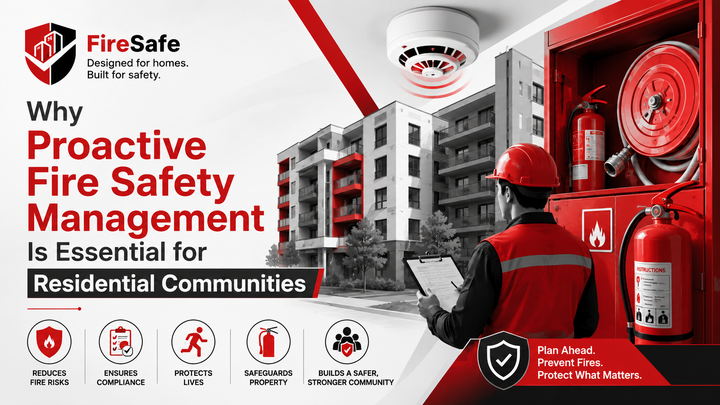
Fire safety is not something that should only be considered during emergencies. For residential communities, a proactive approach to fire safety management is one of the most effective ways to protect residents, preserve property, and maintain a safe living environment. By identifying potential risks before they become serious hazards, property managers can significantly reduce the likelihood of fire-related incidents.
Modern residential buildings often rely on a combination of fire alarms, smoke detectors, sprinkler systems, and emergency procedures. However, these measures are most effective when supported by ongoing fire safety management and regular inspections.
Preventing Problems Before They Occur
One of the biggest advantages of proactive fire safety management is the ability to identify hazards early. Electrical faults, damaged fire doors, blocked escape routes, and malfunctioning fire detection equipment can all increase the risk of a fire emergency.
Routine inspections help uncover these issues before they lead to dangerous situations. Addressing problems at an early stage not only improves safety but can also reduce costly repairs and property damage in the future.
Maintaining Reliable Fire Protection Systems
Fire protection systems play a critical role in safeguarding residential buildings. However, these systems require regular testing and maintenance to ensure they perform correctly during an emergency.
A proactive maintenance program should include:
-
Fire alarm inspections
-
Smoke detector testing
-
Emergency lighting checks
-
Fire door assessments
-
Sprinkler system maintenance
Many property owners work with professional fire protection services providers to ensure that essential safety systems remain fully operational and compliant with industry standards.
Supporting Faster Emergency Response
When a fire occurs, every second matters. Properly maintained fire detection systems can identify signs of fire quickly and provide early warnings to occupants. This allows residents to evacuate safely while emergency responders are notified as soon as possible.
Proactive fire safety management ensures that alarms, detectors, and communication systems function effectively, helping to improve emergency response times and reduce the impact of an incident.
Protecting Residents and Property
Residential communities often include families, elderly individuals, and residents with varying mobility levels. Effective fire safety planning helps protect everyone within the building by ensuring that safety measures remain in place and fully functional.
Regular reviews of fire safety procedures, evacuation routes, and fire protection equipment can help minimize risks and create a safer environment for occupants. In addition, properly maintained systems can help limit fire spread, reducing potential property damage.
Ensuring Compliance and Accountability
Property managers have a responsibility to maintain fire safety standards within their buildings. Proactive fire safety management helps demonstrate a commitment to resident welfare while supporting compliance with applicable safety requirements.
Maintaining records of inspections, maintenance activities, and system testing can provide valuable documentation and help identify areas where improvements may be needed.
Partnering with experienced fire protection services professionals can also provide expert guidance on inspections, maintenance schedules, and risk reduction strategies.
Building a Culture of Fire Safety
Effective fire safety management goes beyond equipment and inspections. Residents should also understand their role in maintaining a safe community.
Providing fire safety information, encouraging hazard reporting, and promoting awareness of emergency procedures can help create a culture where everyone contributes to reducing fire risks. An informed community is often better prepared to respond calmly and effectively during emergencies.
Conclusion
Proactive fire safety management is essential for maintaining safe and secure residential communities. Through regular inspections, ongoing maintenance, early hazard identification, and professional fire protection services, property managers can reduce fire risks and improve emergency preparedness.
By taking preventive action rather than reacting to emergencies, residential communities can better protect residents, preserve property, and create a safer environment for everyone.
Original Source : https://articles.abilogic.com/804172/common-fire-safety-risks-residential.html