Engine Cleaning Advice for Better Fuel Economy
Posted by Anthony James
Filed in Technology 7 views
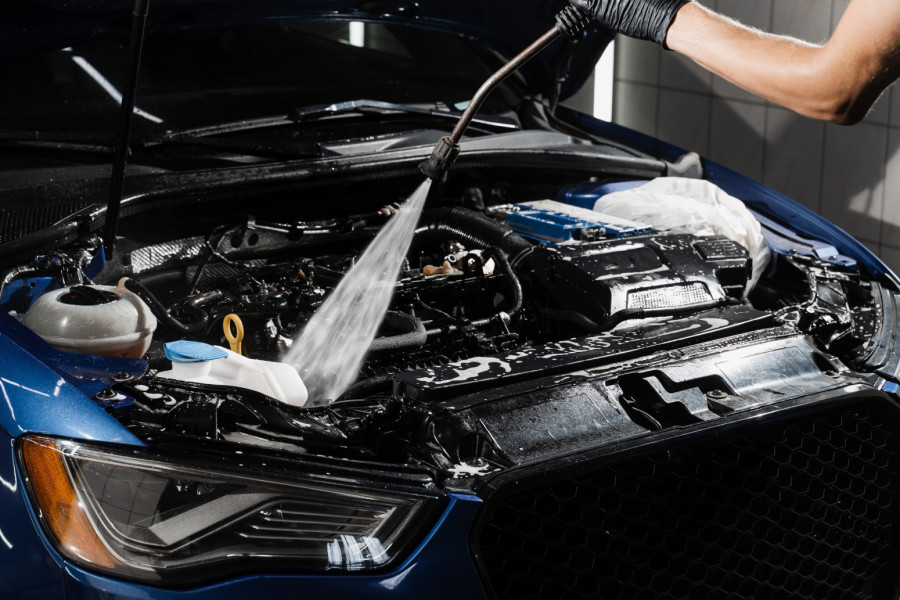
People usually discuss ways to enhance fuel efficiency by modifying automobile technology or driving. The engine's interior health is also crucial. Fuel conversion is easier with a clean engine's lower resistance and greater precision. When deposits build up, efficiency progressively goes down, often without any clear warning indications. Cleaning the engine fixes this underlying problem by bringing the internal balance back to normal. This helps cars get greater fuel economy and run more consistently over time.
Understanding How Engine Contamination Develops
Engine contamination takes time. It develops gradually from daily driving. Each combustion cycle produces minute residues, and engine oil degrades slowly under heat and pressure. Internal contamination is further increased by air intake dust and combustion moisture. These chemicals settle on engine parts over time. This accumulation slowly reduces engine performance with every mile driven without regular maintenance.
The Impact of Dirty Engines on Fuel Consumption
Dirty engines perform poorly. Deposits hinder airflow, fuel delivery, and combustion. Thus, the engine control system typically injects more fuel to maintain power. It may go unnoticed at first, but higher fuel demand lowers the economy over time. Dirty engines seem less responsive, making drivers press the pedal harder and increasing fuel consumption.
Cleaning Fuel Injectors for Improved Combustion
Fuel injectors are very precise parts that spray fuel in a fine, regulated way. Even a little bit of residue can change this spray pattern, which makes combustion less efficient. Fuel burns more thoroughly when the injectors are clean because the air and fuel combine equally. This makes the engine run more smoothly and makes better use of every drop of fuel. Getting fuel injector service and cleaning the fuel injectors helps bring this balance back, so the engine can make power more effectively instead of wasting fuel by not burning it all the way.
Intake System Cleaning and Airflow Optimization
The intake system supplies air to the combustion process, which is as important as fuel. Oil and carbon deposits build up on intake valves and throttle parts. This reduces airflow and narrows airways. The engine must work harder to acquire air due to this limitation. Cleaning the intake system restores airflow, allowing the engine to breathe and burn fuel more efficiently whether you're driving softly or hard.
Combustion Chamber Cleaning for Restored Efficiency
Carbon deposits in the combustion chamber affect fuel combustion. These deposits absorb heat, unevenly cover surfaces, and impede combustion. This reduces efficiency and increases fuel usage. Cleaning the combustion chamber removes them, making fuel ignition and energy release simpler. Better fuel economy and ride smoothness result from combustion efficiency.
Using Quality Fuel and Additives Responsibly
Long-term engine cleanliness depends on fuel quality. High-quality fuels contain detergents to prevent injector and combustion chamber deposits. Cleans key parts and improves combustion over time. Certified fuel system additives gently remove tiny deposits when applied properly. Using excellent fuel and additives responsibly keeps your engine operating smoothly without harsh cleaning.
Avoiding Driving Habits That Promote Buildup
How quickly engine deposits accumulate depends a lot on how you drive. Engines that don't often achieve their full working temperature are more likely to get dirty since the residues don't burn away completely. Frequent idling and hard acceleration also make combustion less efficient. Driving more smoothly, letting the engine warm up completely, and not idling when it's not essential may all help keep fuel economy high and decrease accumulation.
Professional Engine Cleaning Services and Their Benefits
Regular maintenance can't always remove heavy deposits. Professional engine cleaners utilize special equipment to remove advanced pollutants. If done properly, these services can restore efficiency and fuel economy. Professional cleaning is ideal for high-economy cars and neglected engines. It may improve fuel economy and performance.
Long-Term Maintenance Strategies for Sustained Fuel Savings
Engine cleaning is best done regularly rather than once. Regular maintenance, oil changes, and recognizing early performance issues helps prevent accumulation. Clean engines last longer, provide higher fuel economy, and cost less to repair.
Environmental Benefits of a Clean Engine
Clean engines perform better and generate less pollutants. Better combustion reduces fuel and air pollution. Better fuel economy reduces fuel use and environmental effects. Clean engines save money and help reduce pollution and resource use.
Conclusion
Engine cleaning improves fuel economy but is often disregarded. Lowering internal resistance, improving combustion, and optimizing air and fuel flow makes a clean engine more efficient. Routine maintenance, safe driving and timely automobile cleaning may improve efficiency, performance and savings. Cleaner engines save fuel and improve driving efficiency.
Visit You Talent for more informative blogs.