Essential Care Steps to Keep Ice Cream Machine Running Well
Posted by Anthony James
Filed in Business 13 views
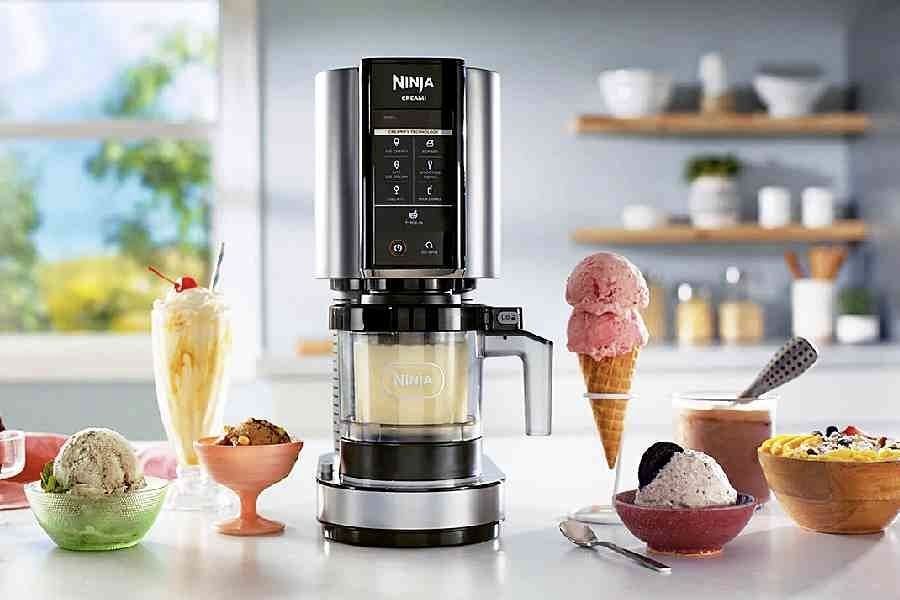
The maintenance of commercial ice cream machine is no doubt one of the most crucial aspects to the quality of the product, the efficiency of the operation and the satisfaction of the customers. It is one of the most complex machines with processes like freezing, mixing, and aerating. Therefore, it must be serviced completely every day and every week to be capable of reliably supporting the peak hours. Neglecting the maintenance schedule could lead to problems like inconsistent texture, bacterial contamination, mechanical failure, and expensive downtime. A good maintenance routine keeps the quality of your soft serve or gelato, and it also greatly extends the life span of the ice cream machine, thus protecting your investment. Understanding and implementing the measures described earlier is the best protection against breakdowns, but still, the highly intricate problems will need professional soft ice cream machine repair if complete and safe operation of the equipment is desired.
Daily Sanitisation and Deep Cleaning
The most important daily routine is a complete sanitisation cycle. After the last service, remove any leftover mix from the freezing cylinder. Then, run a cleaning solution-preferably one that is dedicated to food machinery-through the system, according to the manufacturer's instructions. So, this is how you do it: the solution is circulated through the system to dissolve the milk fats and sugars. After that, several clear-water rinses are done to remove all the chemical residues. Take apart all the removable parts-beaters, dashers, hoppers, and dispensing valves-and wash them by hand in a lot of hot soapy water, letting them air-dry thoroughly as the last step. Doing so will not only keep the first serving of the day as safe and fresh as the last but will also prevent the growth of bacteria and cross-contamination.
Seals and Gaskets Inspection and Lubrication
Seals and gaskets on an ice cream machine are very important to hold pressure and avoid leaks. At least weekly, inspect the main door seal and beater shaft seals and any pipe connections for wear, hardening, or cracking. Even the slightest leak can impact freezing efficiency enough to allow mix contamination. Apply a thin coat of food-grade lubricant to the specified seals as recommended in the manual; this keeps them supple and effective. Never use petroleum-based products. Routine lubrication lowers friction on moving parts, helps prevent drying out and failure of seals and is an easy form of prevention against major, messy repairs.
Scheduled Descaling and Deep Cleaning
Beyond daily cleaning, a monthly or quarterly deep descaling is required, especially in hard water areas. Limescale internally builds up in the water lines and mixing chambers, insulating components and drastically reducing heating and cooling efficiency. Use a food-safe descaling agent, run it through the system as per the product instructions. The process removes mineral deposits that regular cleaning cannot touch. Do this during a scheduled closure since it takes longer than daily cleaning. A descaled ice cream machine operates more efficiently, uses less energy, and maintains consistent product temperature.
Calibration of Consistency and Overrun Settings
The hardness and air incorporation settings must be regularly calibrated on the ice cream machine. Drifts occur because of changes in ambient temperature, mix brand, and even slight mechanical wear. Serving temperature should be checked with a dedicated thermometer; it should be between -6°C to -8°C, adjusting the thermostat or dasher speed accordingly. Overrun is monitored by weight for a set volume of product. Too little air makes the product dense and costly; too much air makes the product icy and of poor quality. This regular calibration will ensure every serving meets your quality standard and maximises your yield from the mix.
Complete service and cleaning records shall be maintained
Keep a physical or digital logbook attached to the ice cream machine. Record daily cleaning, weekly inspection, lubrication, deep cleaning, and any unusual happenings, such as unusual noises or a strange texture of the mix. Note the dates of professional services and replacement of parts. The log serves several purposes: it makes staff responsible for doing their job, keeps a history of when technicians perform Ice Cream Machine Repair, and could be used to determine recurring issues. A properly kept log is vital when one needs to make warranty claims and instils a culture of proactive care rather than reactive fixing, ensuring reliability over the long term.
Conclusion
Rigorous, consistent maintenance is non-negotiable for reliable ice cream machine operation. Embed these key care steps-from thorough daily sanitisation and component inspection to proactive descaling and calibration-into your operational routine, and you ensure quality of product, machine efficiency, and avoid the majority of common failures. While daily care is an operator's obligation, recognising when a problem requires expert intervention is equally important; a partnership of diligent in-house maintenance and professional technical support ensures a machine that will continue to run smoothly season after season.
Visit You Talent for more informative blogs.