How to Choose the Right HVAC Installers in Springfield, OR (2026)
Posted by Jco Heating A/C Electrical LLC
Filed in Other 202 views
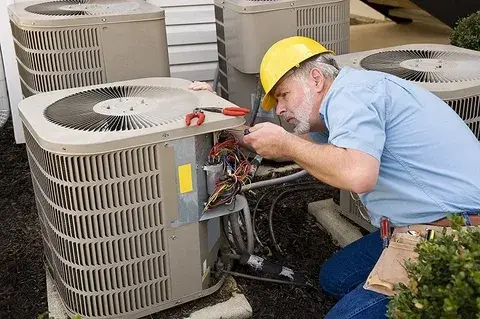
Choosing the right HVAC installers is one of the most important decisions a Springfield homeowner or business owner can make. Your heating and cooling system runs every single day — and the quality of its installation directly determines how efficiently it performs, how long it lasts, and how often it needs repairs. A system installed correctly from day one saves you thousands of dollars over its lifetime. One installed poorly costs you that same amount — and more — in repairs, energy waste, and early replacement.
This guide walks you through everything you need to know to make the right choice when hiring hvac installers in Springfield, OR — from understanding the services involved to knowing what questions to ask before signing anything.
What HVAC Installers Actually Do
Many homeowners assume HVAC installation is straightforward — take out the old unit, put in the new one. In reality, proper hvac installation is a technically complex process that requires precise sizing calculations, correct refrigerant handling, accurate ductwork design, and careful electrical and gas connections — all performed to Oregon building codes.
Why Installation Quality Matters So Much
An improperly sized unit is one of the most common — and costly — HVAC installation mistakes. A system that's too large short cycles, wearing out components quickly and failing to properly dehumidify your space. A system that's too small runs constantly without ever reaching the set temperature, driving up energy bills and burning through its lifespan faster than it should.
Professional hvac installers always begin with a Manual J load calculation — an industry-standard assessment that determines the exact heating and cooling capacity your home or building needs based on square footage, insulation, window placement, ceiling height, and local climate data. Skipping this step is a red flag that the installer is cutting corners.
Residential HVAC Installation — What Springfield Homeowners Need to Know
Oregon's climate makes the Willamette Valley an ideal region for heat pump technology. Mild winters and warm summers mean heat pumps operate at peak efficiency across most of the year — providing both heating and cooling from a single system. For Springfield homes without existing ductwork, ductless mini-split systems offer a flexible, energy-efficient alternative that can be installed with minimal disruption to your living space.
Signs It's Time for New HVAC Installation
Your current system may be due for replacement if it's over 15 years old and requiring frequent repairs, your energy bills have been climbing steadily without a change in usage, some rooms in your home never reach a comfortable temperature, or your system uses R-22 refrigerant — which is no longer manufactured and increasingly expensive to service. A professional assessment from qualified hvac installers will give you an honest picture of whether repair or full hvac installation makes more financial sense for your situation.
Commercial HVAC — A Different Level of Complexity
Residential and commercial hvac systems are not the same — and the installers who handle them shouldn't be either. Commercial systems are designed to condition larger spaces, operate for longer hours, and manage more complex zoning requirements than residential equipment. Rooftop package units, variable air volume systems, commercial chillers, and multi-zone ductless systems all require a higher level of technical knowledge and licensing to install correctly.
What Makes Commercial HVAC Installation Different
Commercial hvac installation projects involve a more detailed planning phase than residential work. Load calculations must account for occupancy levels, equipment heat loads, ventilation requirements under Oregon's commercial building codes, and the specific layout and use of each zone within the building. A restaurant kitchen, a medical office, a retail space, and a warehouse all have dramatically different HVAC requirements — and a qualified commercial installer understands those differences.
Beyond installation, commercial hvac systems require a planned maintenance program from day one. Commercial equipment operates under far heavier demand than residential systems, and without regular professional hvac maintenance, even a properly installed system will degrade faster and cost more to operate. Any commercial HVAC installer worth hiring will discuss a maintenance plan as part of the installation conversation — not as an afterthought.
The Importance of HVAC Maintenance After Installation
The best hvac installation in the world won't deliver its full value without a consistent maintenance schedule. This is true for both residential and commercial systems — and it's one of the most overlooked aspects of HVAC ownership in Springfield and Lane County.
What Professional HVAC Maintenance Covers
A comprehensive hvac maintenance visit covers inspection and cleaning of the evaporator and condenser coils, refrigerant level verification, electrical connection testing, thermostat calibration, air filter replacement, blower motor inspection, and a full system performance test. For commercial systems, it also includes verification of zone controls, damper operation, and building code compliance.
Homes and businesses that stay on a regular hvac maintenance schedule experience far fewer emergency breakdowns, lower monthly energy costs, and systems that consistently reach or exceed their expected lifespan. The cost of a twice-yearly maintenance visit is a fraction of a single emergency repair call — and an even smaller fraction of a premature system replacement.
What to Look for When Hiring HVAC Installers in Springfield
Not all HVAC companies deliver the same quality of work. Here's what separates truly professional hvac installers from those who will leave you with problems down the road.
Licensing and Certification
Oregon requires HVAC contractors to hold a valid license from the Oregon Mechanical Board and be registered with the Oregon Construction Contractors Board. Always verify these credentials before allowing any installation work to begin. Look for NATE-certified technicians — the North American Technician Excellence certification is the industry's most recognized standard for HVAC competency and professionalism.
Written Estimates and Honest Assessments
A reputable HVAC installer will always provide a detailed written estimate before work begins — one that includes equipment specifications, labor costs, and expected project timeline. They will also give you an honest assessment of your options rather than pushing you toward the most expensive solution. If an installer discourages you from asking questions or rushes you into a decision, that's a warning sign.
Experience with Both Residential and Commercial Systems
Whether you need residential hvac installation or a full commercial hvac system upgrade, choose a company with demonstrated experience in the specific type of work you need. Ask for references from similar projects and verify that the company has worked in your area. Local experience matters — installers familiar with Springfield's housing stock and Lane County's climate requirements will deliver better results than out-of-area companies unfamiliar with local conditions.
Jco Heating A/C Electrical has been serving Springfield, Eugene, and Lane County homeowners and businesses since 2002 — providing professional hvac installation, commercial hvac services, and scheduled hvac maintenance with the kind of local knowledge and honest service that keeps customers coming back.
Questions to Ask Your HVAC Installer Before Hiring
Going into an installation project prepared makes a significant difference in the outcome. Before signing with any company, ask these key questions.
Do you perform a Manual J load calculation before recommending equipment size? What brands do you install and why? Are your technicians NATE-certified? What does your installation warranty cover and for how long? Do you handle all permits and inspections? What does your hvac maintenance program include after installation? Getting clear, confident answers to all of these questions is a strong indicator that you're working with professional hvac installers who take their work seriously.
Frequently Asked Questions
How do I know if I need new HVAC installation in Springfield, OR?
If your system is over 15 years old, requires frequent repairs, produces uneven temperatures, or runs constantly without reaching the set temperature, it's time to consult professional hvac installers. A load assessment will confirm whether repair or full hvac installation is the right next step.
What is the difference between residential and commercial HVAC installation?
Commercial hvac installation involves larger, more complex systems designed for heavier use, more zones, and stricter ventilation requirements. Commercial projects require more detailed planning, specialized equipment knowledge, and ongoing hvac maintenance programs that differ significantly from residential service schedules.
How often should HVAC maintenance be scheduled in Springfield, OR?
Twice a year is the standard recommendation — once in spring before the cooling season and once in fall before heating season. Commercial systems and older residential units benefit from quarterly hvac maintenance visits to stay ahead of wear and ensure consistent performance.
How long does HVAC installation take in Springfield, OR?
Most residential hvac installation projects are completed in one to two days. Commercial hvac installations vary significantly depending on system complexity and building size — from a few days for smaller commercial spaces to several weeks for larger facilities. Your installer should provide a clear project timeline before work begins.
What brands do professional HVAC installers in Springfield recommend?
Reputable hvac installers typically work with brands like Lennox, Carrier, Trane, Mitsubishi, and Daikin — all of which offer strong warranties and proven performance in Oregon's climate. The right brand for your home or business depends on your specific needs, budget, and whether your property has existing ductwork.
Is a maintenance plan worth it after HVAC installation in Springfield?
Absolutely. A scheduled hvac maintenance plan protects your installation investment, keeps your system operating at peak efficiency, and consistently costs far less than emergency repairs or early replacement. Most professional hvac installers offer maintenance plans as part of their service — ask about it at the time of installation.