Why Businesses Are Adding LinkedIn Widgets to Their Websites
Posted by Adam Smith
Filed in Technology 267 views
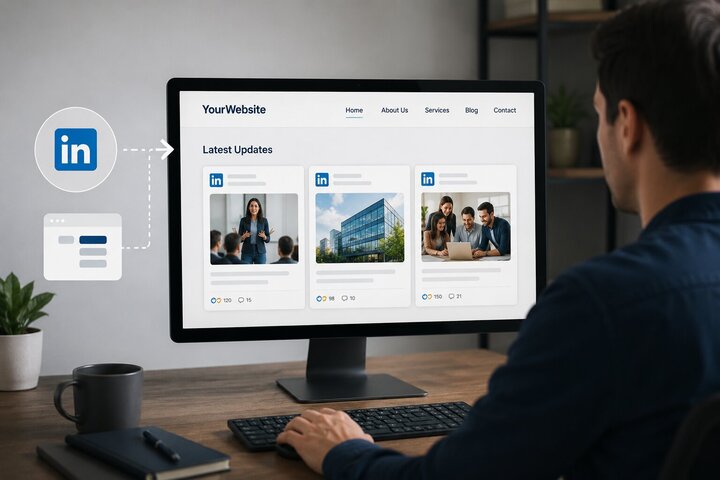
In today’s digital-first B2B landscape, businesses are constantly searching for smarter ways to build trust, improve engagement, and showcase credibility online. One strategy gaining serious momentum is embedding LinkedIn widgets directly onto company websites.
From SaaS startups to enterprise brands, businesses are increasingly integrating LinkedIn feeds into landing pages, homepages, career pages, and product websites. Why? Because static websites no longer create enough engagement. Visitors expect dynamic, authentic, and socially validated experiences.
A LinkedIn widget allows businesses to display real-time LinkedIn content directly on their websites including company updates, employee posts, thought leadership content, hiring announcements, industry insights, and customer success stories.
In this guide, we’ll explore why LinkedIn widgets have become an essential website strategy in 2026, how businesses are using them effectively, and the benefits they deliver for branding, marketing, and conversions.
What is a LinkedIn Widget?
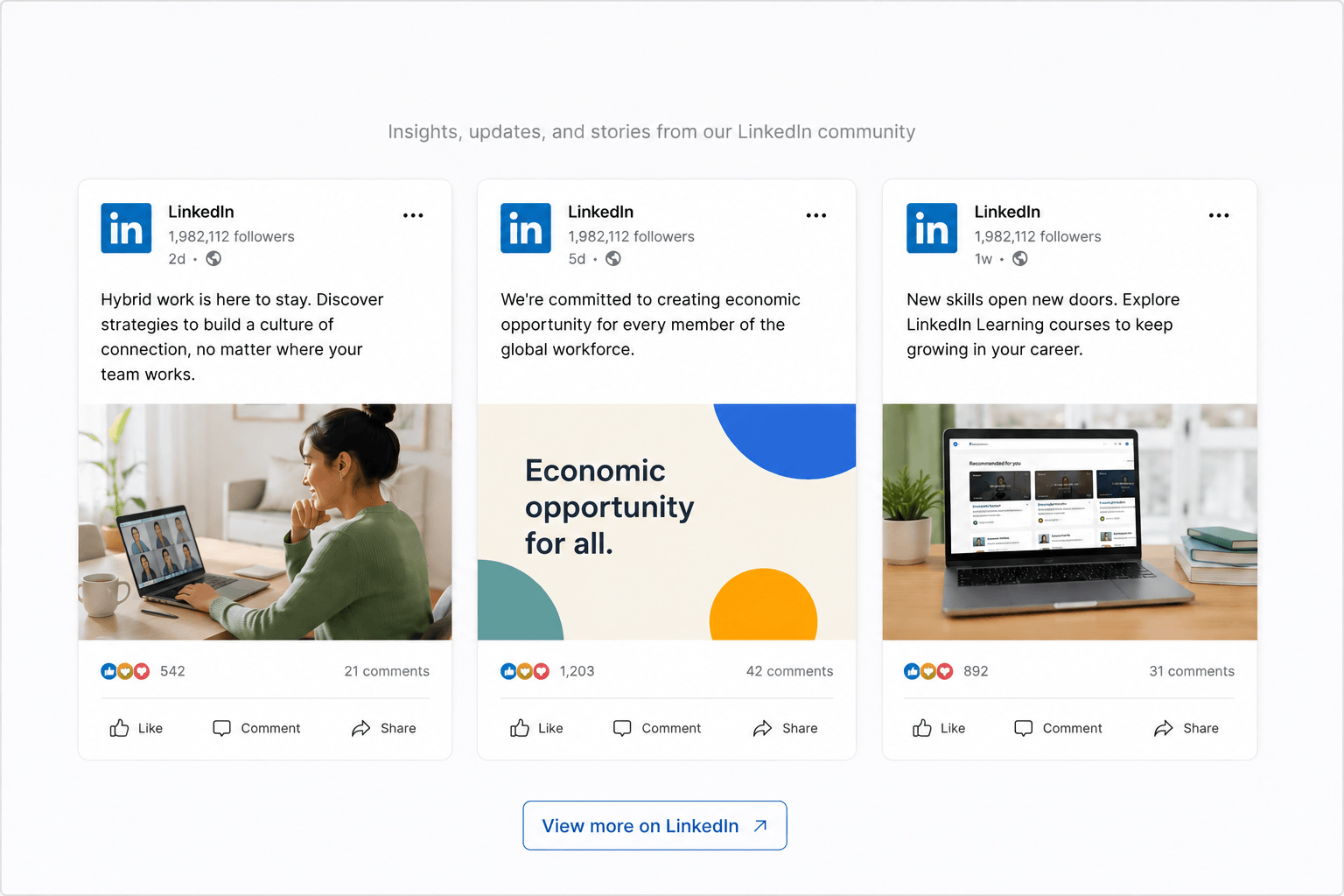
A LinkedIn widget is a website integration tool that displays LinkedIn content directly on a webpage. Instead of manually updating website content, businesses can automatically showcase live LinkedIn posts and updates in real time.
These widgets can display:
-
Company page posts
-
Employee-generated content
-
Thought leadership articles
-
Recruitment announcements
-
Event promotions
-
Industry news
-
Videos and image posts
-
Customer stories
Businesses typically use a LinkedIn feed widget to make websites more dynamic and socially engaging.
For example, a SaaS company may embed its LinkedIn feed on its homepage to showcase:
-
Product updates
-
Team achievements
-
Client wins
-
Industry expertise
-
Webinar promotions
This instantly adds credibility and freshness to the website.
Why LinkedIn Matters More Than Ever for Businesses
LinkedIn has evolved far beyond a job-search platform. Today, it’s one of the most influential professional networking and B2B marketing platforms globally.
Businesses use LinkedIn to:
-
Build authority
-
Generate leads
-
Recruit talent
-
Publish industry insights
-
Strengthen employer branding
-
Establish executive thought leadership
Unlike entertainment-focused social platforms, LinkedIn audiences are highly business-oriented. This makes LinkedIn content especially valuable when integrated into corporate websites.
Adding a LinkedIn widget bridges the gap between your social presence and your owned digital assets.
Top Reasons Businesses Are Adding LinkedIn Widgets to Their Websites
1. Builds Instant Social Proof
Modern buyers trust people more than traditional marketing messages.
When visitors see active LinkedIn conversations, employee posts, customer interactions, and professional engagement directly on your website, it creates immediate credibility.
A LinkedIn widget demonstrates that:
-
Your business is active
-
Your team is knowledgeable
-
Your brand has industry recognition
-
Real professionals engage with your content
This form of social proof is particularly powerful for B2B companies and SaaS brands.
2. Keeps Websites Fresh and Dynamic
One major challenge businesses face is keeping websites updated consistently.
A LinkedIn feed widget solves this problem by automatically pulling fresh content from your LinkedIn page.
Benefits include:
-
Reduced manual website updates
-
Real-time content refresh
-
Improved visitor engagement
-
More returning visitors
Search engines also favor websites with regularly updated content, which can positively impact SEO performance.
3. Enhances Brand Authority
Thought leadership has become a critical differentiator in competitive industries.
Embedding LinkedIn content allows businesses to showcase:
-
Executive insights
-
Industry expertise
-
Original research
-
Company culture
-
Event participation
When website visitors see valuable LinkedIn content integrated into your site, your brand appears more authoritative and trustworthy.
This is especially effective for:
-
SaaS companies
-
Agencies
-
Consulting firms
-
Tech startups
-
Financial services
-
HR and recruitment brands
LinkedIn Widgets Improve B2B Website Engagement
Website engagement directly impacts conversion rates.
Static pages often fail to hold visitor attention, but LinkedIn widgets introduce movement, updates, and authentic content that encourage users to stay longer.
Engagement benefits include:
-
Increased average session duration
-
Lower bounce rates
-
More interaction with content
-
Higher click-through rates
-
Better lead generation opportunities
Social content naturally draws attention because it feels more human and conversational than standard website copy.
How Businesses Use LinkedIn Widgets Across Different Pages
Homepage Integration
Many businesses add LinkedIn widgets to homepages to create a more active brand presence.
Common homepage content includes:
-
Product launches
-
Industry insights
-
Customer wins
-
Team highlights
This instantly communicates credibility and activity to new visitors.
Career Pages
Recruitment teams increasingly use LinkedIn widgets on career pages.
Displaying employee posts and company culture content helps attract talent by showing:
-
Workplace environment
-
Team activities
-
Employee advocacy
-
Corporate culture
This creates a more authentic employer brand.
Landing Pages
LinkedIn widgets are also effective on campaign landing pages.
For example:
-
Webinar pages can display event-related LinkedIn posts
-
Product pages can showcase industry discussions
-
Lead generation pages can include customer testimonials from LinkedIn
This reinforces trust during the conversion process.
LinkedIn Widgets Support Employee Advocacy
Employee advocacy is becoming a major marketing trend.
When employees share company-related content on LinkedIn, businesses gain:
-
Wider organic reach
-
Increased trust
-
More authentic branding
-
Stronger professional visibility
Embedding employee-generated LinkedIn content onto company websites amplifies these benefits even further.
Visitors often trust employee voices more than branded marketing copy.
Examples include:
-
Team achievements
-
Behind-the-scenes updates
-
Conference participation
-
Customer success stories
-
Industry commentary
SEO Benefits of Embedding LinkedIn Feeds
While LinkedIn widgets are primarily engagement tools, they can also contribute indirectly to SEO performance.
Potential SEO advantages:
-
Increased dwell time
-
Lower bounce rates
-
More fresh content signals
-
Better user engagement metrics
-
Improved content relevance
Search engines prioritize user experience, and dynamic social content can improve behavioral metrics that influence rankings.
Additionally, LinkedIn content often targets industry-specific keywords naturally, helping reinforce topical relevance.
Best Practices for Using a LinkedIn Widget on Your Website
Keep the Design Clean
The widget should blend naturally with your website design.
Avoid:
-
Overcrowded layouts
-
Excessively large feeds
-
Distracting animations
A clean, responsive design improves usability.
Display Relevant Content Only
Curate your LinkedIn feed carefully.
Focus on content that supports business goals, such as:
-
Educational posts
-
Customer success stories
-
Product updates
-
Thought leadership
-
Hiring announcements
Avoid irrelevant or overly promotional content.
Optimize for Mobile Devices
A significant portion of website traffic comes from mobile users.
Ensure your LinkedIn widget:
-
Loads quickly
-
Is fully responsive
-
Displays properly on smaller screens
Poor mobile performance can negatively impact both engagement and SEO.
Match Your Branding
Your LinkedIn widget should visually align with your:
-
Website colors
-
Typography
-
Layout
-
Branding style
Consistency improves professionalism and user experience.
Why SaaS Companies Especially Benefit From LinkedIn Widgets
SaaS businesses thrive on trust, authority, and ongoing engagement.
A LinkedIn widget helps SaaS brands:
-
Showcase product innovation
-
Highlight customer adoption
-
Demonstrate industry expertise
-
Promote webinars and events
-
Build founder authority
Because SaaS buyers often conduct extensive research before converting, integrating professional social proof directly into the website can significantly influence decision-making.
Choosing the Right LinkedIn Widget Tool
Not all LinkedIn widget tools offer the same flexibility and customization.
When selecting a solution, businesses should look for:
-
Easy integration
-
Responsive design
-
Custom styling options
-
Fast loading speed
-
Content moderation
-
Real-time updates
-
Analytics support
Platforms like Tagembed, Taggbox, Social Walls help businesses seamlessly embed LinkedIn feeds onto websites without coding.
Conclusion
Businesses are no longer treating websites as static digital brochures. In 2026, successful brands are building dynamic, socially connected experiences that establish trust and keep audiences engaged.
LinkedIn widgets help businesses:
-
Build social proof
-
Strengthen brand authority
-
Improve engagement
-
Showcase expertise
-
Support recruitment
-
Enhance website freshness
For SaaS and B2B brands especially, integrating LinkedIn content directly into websites creates a stronger connection between social presence and conversion-focused digital experiences.
As professional audiences increasingly expect authenticity and transparency, LinkedIn feed integration is quickly becoming a core website strategy rather than an optional enhancement.
#social_media #linkedin #feeds #social #marketing