Unveiling Drift Hunters: Your Ultimate Drift Destination
Posted by Georgia Bentley
Filed in Entertainment 317 views
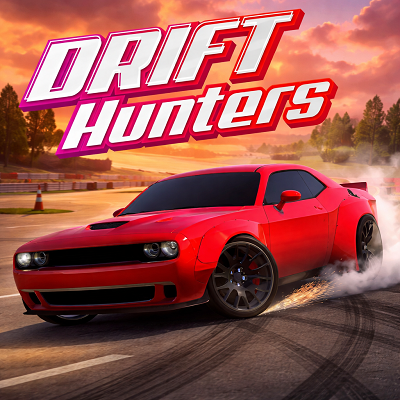
Drift Hunters isn't just another racing game; it’s a dedicated drift simulator that puts the thrill of sliding sideways directly into your hands. Developed by Ilya Kaminetsky, a name synonymous with accessible and engaging browser-based gaming, Drift Hunters burst onto the scene, quickly establishing itself as a go-to for drift enthusiasts looking for a quick and satisfying fix. While an exact "release date" for its initial iteration can be a bit fluid given its evolution, its consistent presence and updates indicate a long-standing commitment to delivering a top-tier drifting experience.
The core concept is brilliantly simple: pick a car, choose a track, and drift your heart out. But beneath that simple premise lies a surprising depth that will keep you coming back for more.
1. What is Drift Hunters All About?
At its heart, Drift Hunters is a physics-based 3D drifting game that prioritizes the pure joy and skill of drifting. Unlike traditional racing games where the goal is to cross the finish line first, here, victory is measured in style, angle, and the sheer length of your drifts. Your score accumulates as you masterfully chain together slides, earning you points that can then be used to unlock new cars and upgrade your existing fleet.
The game boasts a robust selection of vehicles, from classic Japanese drift legends to powerful muscle cars, each with its own unique handling characteristics. And it’s not just about the cars; the tracks are designed to encourage dynamic drifting, with sweeping corners, tight hairpins, and open stretches perfect for initiating colossal slides.
2. How to Play Drift Hunters
One of Drift Hunters' greatest strengths is its accessibility. You don’t need a high-end gaming rig or a complex setup to jump in and start shredding tires. All you need is a web browser and a passion for drifting.
The Controls: Your Command Center
The controls in Drift Hunters are intuitive and easy to grasp, allowing you to focus on the art of drifting rather than wrestling with complex button mappings.
W (or Up Arrow): Accelerate. This is your lifeblood, the force that propels you forward and helps you initiate those beautiful drifts.
S (or Down Arrow): Brake/Reverse. Essential for shedding speed, setting up corners, and, of course, stopping.
A (or Left Arrow): Steer Left.
D (or Right Arrow): Steer Right.
Spacebar: Handbrake. This is your secret weapon for initiating aggressive drifts, especially in tighter corners. Mastering the handbrake is key to unlocking advanced drifting techniques.
C: Change Camera View. Experiment with different camera angles to find the one that gives you the best perspective and control.
Shift: Shift Up (for manual transmission – more on this later).
Ctrl: Shift Down (for manual transmission).
Your First Drift: A Step-by-Step Guide
Don't worry if you're new to drifting; Drift Hunters is a fantastic place to learn the ropes. Here's a basic guide to initiating your first successful drift:
Choose Your Ride: Head to the garage and pick a car. For beginners, a balanced car with decent power and predictable handling is a good starting point. Don't worry about customising too much just yet.
Select a Track: Start with a track that has wide, open corners to give yourself plenty of room to experiment.
Gain Speed: Drive towards a corner with a decent amount of speed. You don't need to be going flat out, but enough to make the car feel responsive.
Initiate the Turn: Just before the apex of the corner, quickly turn the steering wheel in the direction you want to go.
Throttle Control (the Heart of Drifting): As you turn, briefly let off the accelerator (or even tap the brake lightly) to shift weight to the front of the car, then immediately get back on the throttle. This sudden application of power, combined with the steering input, will cause the rear wheels to lose traction and start to slide.
Counter-Steer: As the rear of the car slides out, you need to quickly turn the steering wheel in the opposite direction of the slide. This is called counter-steering, and it's crucial for maintaining control and keeping the drift going. Think of it like catching the car as it slides.
Feather the Throttle: Once you’re in a drift, use the accelerator to control the angle and speed of your slide. More throttle will widen the drift; less will tighten it. This is where the finesse comes in!
Exit the Drift: As you approach the exit of the corner, gradually straighten your steering wheel and ease off the throttle. The car should regain traction and straighten out, ready for the next section of the track.
Practice, practice, practice! It might feel clunky at first, but with each attempt, you'll gain a better understanding of how the car reacts and how to manipulate it into a beautiful, controlled slide.
3. Beyond the Basics: Advanced Tips and Tricks
Ready to elevate your drifting game? Here are some invaluable tips to help you dominate the tracks:
Start Simple: Don't jump straight into the most powerful car. Begin with a lower-horsepower, more forgiving vehicle to get a feel for the controls and basic drifting mechanics. The Nissan S13 is often a great starter.
Master the Handbrake: Seriously, this is your best friend. Learn to tap it precisely to initiate drifts and adjust your angle mid-slide. It's more about quick taps than holding it down.
Throttle Control is Key: Don't just hold down the accelerator. Feather it! Pulsing the throttle will help you maintain the perfect drift angle and avoid spinning out.
Experiment with Car Tuning: This is where the game truly opens up.
Suspension: A stiffer suspension can make a car more responsive, while softer might be more forgiving.
Turbo: More turbo equals more power, which means easier power oversteer, but also harder to control.
Weight Reduction: Less weight makes a car more agile and easier to throw around.
Gear Ratio: Experiment with longer or shorter gears to find what works for your style and the track.
Camber: Adjusting the wheel angle can significantly impact grip and drift stability.
Brake Balance: Often overlooked, adjusting the front/rear brake bias can help you initiate slides more effectively.
Spend time in the garage, try different settings, and see how they affect your car's behavior. There's no single "best" setup; it's all about personal preference.
Look Ahead: Just like in real driving, always be looking at where you want to go, not just where you are. This helps you anticipate corners and plan your drift entries.
Practice, Practice, Practice: Drifting is an art form that takes time and repetition to master. Don't get discouraged by spins and crashes; learn from them and keep trying!
Watch the Pros: Check out videos of skilled Drift Hunters players. Observe their lines, their throttle control, and their handbrake usage. You can learn a lot by watching.
Chain Those Drifts: The big points come from linking multiple drifts together without straightening up. Focus on smooth transitions between corners.
4. Your Drift Journey Begins Now!
Are you feeling the pull of the asphalt? Can you almost smell the burning rubber? Then what are you waiting for? The world of sideways exhilaration is just a click away!
Head over to Drift Hunters right now and immerse yourself in the high-octane world of Drift Hunters. Whether you're a seasoned drift veteran or a curious newcomer, there's a place for you on these tracks.
What are you waiting for? Pick your ride, hit the track, and show the world your drifting prowess!