Shoring Jacks That Keep Structural Moves Controlled From the Ground Up
Posted by Buckingham Equipment
Filed in Business 216 views
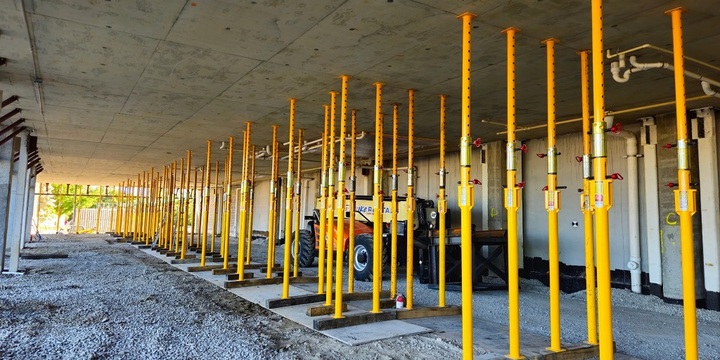
Structural moving and heavy lifting experts rely on shoring jacks to maintain essential job site stability. Crews rely on them every day to hold weight, manage pressure, and keep structures where they need to be.
The way systems respond to shifting loads is frequently ignored in professional dialogue. Rather than viewing every support as a separate unit, more effective choices are made by recognizing the interconnections within the entire structure.
Why Shoring Jacks Hold Everything Together When Loads Start Moving
Crews use shoring jacks to control weight while structures move through different stages of lifting and positioning. Loads undergo constant shifting and redistribution during lifts, dynamically reacting to any adjustments made to the system.
Movers achieve equilibrium through fixed support points. Since structures react instantly to irregular shifts, teams must meticulously coordinate hydraulic shoring, particularly when multiple jacks distribute a single load.
You’ll notice this even more in excavation shoring. Crews install trench jacks and adjustable props to hold soil and structural edges in place while work continues below grade. Those supports need to stay firm, because once the ground shifts, everything above it reacts.
Midway through a job, the connection becomes obvious. Heavy lifting jacks handle the lift itself, but shoring systems carry the responsibility of holding that position steady. That’s what keeps the operation controlled instead of constantly correcting itself.
Picking the Right Shoring Jacks Without Guessing Mid-Job
Every project calls for a different setup, and crews usually figure that out early. Choosing the right shoring jacks depends on how the load behaves and how often adjustments need to happen during the lift.
Hydraulic shoring gives operators direct control over pressure. Crews connect these systems to power packs so they can adjust multiple points at once. That setup works well for large structural moves where balance is critical throughout the lift.
Screw jacks provide manual, long-term support once loads are positioned, making them ideal for structures requiring extended stability.
Adjustable props provide flexibility for crews during excavation shoring or temporary support tasks. They install quickly, adjust easily, and work well for lighter loads where speed matters.
Most crews don’t rely on just one type. They combine hydraulic systems for movement with screw jacks or adjustable props for support. That combination keeps everything stable while still allowing adjustments when conditions change.
Running Smarter Jobs With Shoring Jack Systems That Stay in Sync
Efficiency shows up in how well your system works together. Crews who use advanced shoring jacks setups focus on coordination instead of reacting to problems as they happen.
Synchronized hydraulic systems manage multiple jacks simultaneously, providing even pressure and smoother lifts.
Real-time pressure monitoring provides the visibility necessary for crews to adjust to unexpected load behaviors in structural moves and excavation shoring.
Setup plays a bigger role than most people expect. When crews plan their shoring systems properly, they spend less time adjusting supports later. That keeps the job moving forward instead of stopping to fix alignment issues.
The value of a synchronized system is truly demonstrated when a project hits a stage where maintaining absolute stability is essential to moving forward.
Where Shoring Jacks Fit When the Job Gets Real
Movers choose shoring jacks based on how they plan to move, hold, and stabilize the structure from start to finish. While some operations depend on the stability provided by adjustable props or screw jacks, other projects require the active response of hydraulic shoring.
Most projects integrate these tools into a complete system, providing control and flexibility without overcomplicating the setup. For structural moves or heavy lifting, prioritize equipment designed for actual field operations.
Take a closer look at Buckingham’s shoring jacks, request a quote, or connect with a team that understands how real lifting conditions play out on site.
For more information about Lifting Jacks and Skidding System Please visit: Buckingham Structural Moving Equipment, LLC.