What Tasks Can a Virtual Medical Assistant Handle?
Posted by Medical Billing Services USA
Filed in Business 209 views
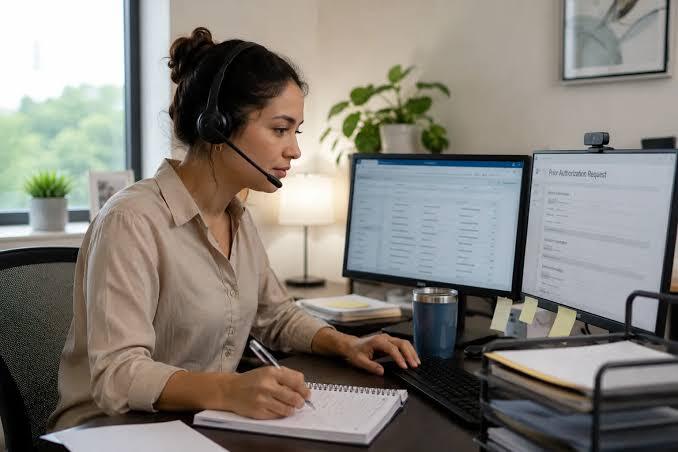
Healthcare practices today face an ever-increasing volume of administrative responsibilities that can overwhelm internal staff and create operational bottlenecks. To streamline daily administrative workflows and maintain organized operational standards, modern practice operations frequently turn to remote support solutions. Incorporating a Virtual Medical Assistant into everyday administrative workflows allows practices to offload time-consuming clerical tasks without compromising organizational efficiency. By delegating back-office duties to dedicated remote personnel, healthcare organizations can optimize resource allocation and ensure smoother administrative operations across every department.
-
Administrative Relief: Offloads routine clerical duties from on-site personnel.
-
Workflow Continuity: Maintains steady handling of patient calls, messages, and paperwork.
-
Operational Efficiency: Allows healthcare facilities to run structured, organized back-office workflows.
Understanding the Role of Remote Support in Modern Operations
The administrative infrastructure of a healthcare facility involves intricate scheduling, precise documentation, timely communications, and multi-step verification procedures. When on-site administrative staff members are forced to constantly context-switch between welcoming incoming visitors, answering ringing telephones, and entering data into electronic records systems, errors and delays can occur. Remote support functions act as an extension of the front-office team, taking over structured, non-clinical tasks that do not require physical presence in a facility.
Remote administrative support operates through secure digital channels, utilizing cloud-based communication tools, practice management software, and electronic health record platforms. By separating direct in-person host duties from phone, messaging, and data entry duties, practices establish a clearer division of labor. This separation helps ensure that every phone call is answered promptly, incoming paperwork is processed immediately, and records remain accurate and up-to-date.
-
Division of Responsibilities: Separates in-person greeting duties from remote telephone and data tasks.
-
Digital Integration: Operates directly within cloud-based software and electronic records systems.
-
Task Optimization: Ensures routine administrative assignments are handled without internal interruption.
Core Administrative and Front-Desk Tasks
Patient Appointment Scheduling and Calendar Management
Managing practice schedules requires continuous attention, precision, and clear communication. Remote support personnel handle incoming appointment requests via telephone, online portals, and email, matching patient needs with available time slots according to established facility rules. They manage calendar modifications, process cancellations, and fill unexpected gaps in the schedule by reaching out to individuals on waitlists.
In addition to handling booking requests, remote assistants issue automated and manual appointment reminders through text messages, calls, or emails. This systematic outreach reduces no-show rates and helps keep practice calendars fully optimized throughout the workday.
-
Calendar Optimization: Balances appointment lengths and availability to prevent scheduling conflicts.
-
Reminder Systems: Sends systematic confirmations to minimize missed appointments.
-
Waitlist Management: Rapidly fills open time slots resulting from last-minute cancellations.
Patient Intake and Digital Documentation
Before any appointment takes place, preliminary administrative information must be gathered, verified, and recorded. Remote assistants coordinate the pre-registration process by sending digital intake forms to incoming individuals and guiding them through electronic completion. They collect demographic details, emergency contact information, consent forms, and insurance documentation well in advance of scheduled visits.
Once received, the assistant reviews submitted materials for completeness, enters the data into the practice management system, and verifies that all mandatory consent fields are satisfied. This preparation eliminates long waiting room delays and prevents administrative backlog at the reception desk.
-
Pre-Registration Handling: Collects demographic and consent forms prior to scheduled appointments.
-
Data Verification: Ensures all submitted intake documents are complete and legible.
-
Check-In Acceleration: Reduces paperwork processing time during patient arrivals.
Phone Reception and Communication Management
High phone call volumes can disrupt office workflow and lead to long hold times for callers. Remote administrative support manages multi-line phone systems off-site, answering incoming calls, screening inquiries, and routing messages to the appropriate departments. They handle basic inquiries regarding office hours, general practice policies, facility directions, and service offerings.
When complex inquiries arise, remote assistants document detailed messages and forward them to internal team members according to practice triage protocols. This keeps telephone lines open while ensuring urgent patient calls receive swift attention from the right personnel.
-
Call Screening and Routing: Directs incoming calls to correct departments based on protocols.
-
Inquiry Resolution: Answers routine questions regarding operating hours and policies.
-
Detailed Messaging: Captures precise communication notes for internal staff follow-up.
Insurance Verification and Billing Administrative Support
Insurance Coverage and Benefits Verification
Verifying insurance eligibility prior to service delivery is critical for seamless revenue cycle management and clear patient communication. Remote administrative personnel contact insurance carriers directly or use automated payer portals to verify active policy status, copayment requirements, deductibles, co-insurance responsibilities, and coverage limits.
By confirming benefit details prior to appointments, the assistant ensures that patient accounts accurately reflect current coverage parameters. This proactive step helps prevent claim rejections, reduces billing discrepancies, and provides administrative clarity regarding co-pays and deductibles.
-
Eligibility Checking: Confirms active policy status and coverage parameters before visits.
-
Benefit Detailing: Identifies co-pay amounts, deductibles, and secondary coverage details.
-
Claim Prevention: Minimizes billing errors caused by outdated or inaccurate insurance data.
Prior Authorization Request Tracking
Certain specialized procedures, diagnostic tests, and medications require prior authorization from insurance providers before they can be covered. Remote administrative support assists in gathering necessary documentation, completing payer-specific authorization forms, and submitting requests through appropriate portal channels.
Assistants monitor the status of pending authorization requests daily, following up with insurance representatives to track progress and answer administrative inquiries. They document approval numbers and authorization date ranges within the patient record, ensuring all prerequisites are met prior to service delivery.
-
Form Preparation: Compiles administrative documents required for pre-authorization requests.
-
Payer Follow-Up: Continuously tracks authorization statuses through carrier channels.
-
Record Documentation: Logs authorization numbers and validity periods into management systems.
Invoice Pre-Checking and Claim Entry Administrative Tasks
While certified medical coders handle code assignment, remote assistants provide valuable back-office billing support. They audit claim forms for missing administrative data, such as incomplete demographic information, missing policy numbers, or unverified pre-authorization codes, prior to claim submission.
Additionally, remote support teams assist with posting payments, organizing billing statements, generating patient receipts, and issuing routine account reminders for outstanding balances. These systematic administrative checks support a consistent and organized billing workflow.
-
Claim Pre-Auditing: Checks billing documents for missing demographic or policy data.
-
Payment Entry: Records incoming payments and updates billing accounts systematically.
-
Statement Generation: Prepares administrative account summaries and payment reminders.
Electronic Health Record (EHR) and Information Management
Data Entry and EHR Maintenance
Maintaining clean, organized, and up-to-date electronic health records is essential for operational accuracy. Remote assistants assist in updating electronic records with non-clinical administrative data, such as updated contact information, primary care preferences, and pharmacy information.
They index incoming electronic files—such as lab reports, imaging records, and consultant letters—into the appropriate sections of patient charts. By maintaining consistent chart structures, remote support ensures that internal teams can access essential background documentation quickly.
-
Record Indexing: Categorizes and attaches incoming electronic files to corresponding charts.
-
Demographic Updates: Maintains accurate contact and insurance details within the EHR.
-
Chart Organization: Ensures consistent data formatting across all digital health files.
Transcription and Note Structuring
Accurate documentation of dictations, audio notes, and administrative logs is necessary for record keeping. Remote administrative personnel transcribe recorded voice notes, dictated letters, and administrative summaries into standardized text format.
They format these transcripts according to practice guidelines, placing information into designated EHR fields for administrative review. This service allows internal teams to maintain detailed administrative documentation without spending hours on manual typing.
-
Dictation Processing: Converts recorded voice notes and administrative logs into structured text.
-
EHR Integration: Places transcribed documentation into designated software fields.
-
Quality Standardizing: Ensures formatting consistency across administrative notes.
Document Scanning, Sorting, and Archiving
Facilities process high volumes of digital communications, including faxes, emails, and electronic transfers. Remote support personnel monitor incoming digital fax queues, sort incoming documents by urgency and department, and route files to appropriate staff inboxes.
Outdated or inactive files are systematically archived according to facility data retention guidelines. This continuous digital maintenance keeps the active database organized and manageable for day-to-day operations.
-
Digital Fax Management: Sorts and routes incoming electronic faxes to correct inboxes.
-
File Categorization: Tags incoming documentation with standardized tracking labels.
-
Database Maintenance: Archives inactive administrative records according to practice guidelines.
Care Coordination and Follow-Up Support
Post-Appointment Follow-Up Communication
Maintaining communication after appointments supports overall practice organization and patient engagement. Remote administrative support conducts routine follow-up calls or sends digital messages to confirm that individuals received post-visit instructions, scheduling details, or administrative paperwork.
Assistants can also distribute feedback surveys to gather insights on administrative service quality, appointment waiting times, and overall satisfaction, providing valuable feedback for practice refinement.
-
Follow-Up Outreach: Reaches out post-visit to confirm receipt of administrative forms.
-
Feedback Collection: Distributes and organizes patient experience questionnaires.
-
Communication Continuity: Keeps communication channels open between visits.
Referral Tracking and Coordination
When patients require secondary services or diagnostic procedures outside the main facility, administrative coordination is essential. Remote assistants manage referral workflows by preparing referral packages, forwarding necessary demographic records to receiving facilities, and confirming receipt.
They track pending referrals to ensure appointments are scheduled and status updates are sent back to the primary practice. This structured tracking prevents referrals from slipping through administrative cracks.
-
Referral Dispatch: Transmits required documentation and records to receiving facilities.
-
Status Tracking: Tracks the progress of external appointments and report returns.
-
Package Organization: Assembles necessary non-clinical background paperwork for referrals.
Prescription Refill Request Coordination
Handling prescription refill requests involves methodical administrative intake and communication routing. Remote support personnel take incoming refill requests from patients or pharmacies, gather necessary account details, and verify active status in the software system.
Once gathered, the assistant logs the request details and routes the message to appropriate internal personnel for review and processing. After approval, the assistant notifies the pharmacy or patient, completing the communication loop efficiently.
-
Request Intake: Logs incoming refill inquiries from patients and pharmacy portals.
-
Account Verification: Confirms basic patient demographics prior to routing requests.
-
Communication Completion: Updates pharmacies and patients once processing is complete.
Key Benefits of Integrating Remote Support
Integrating remote administrative assistance provides practices with a scalable framework to manage fluctuating workloads. By transferring routine data management, scheduling, and telephone operations to remote specialists, physical office spaces remain less crowded and more focused on in-person operations.
Furthermore, remote support setups offer flexible scheduling coverage, allowing practices to extend their administrative availability into early mornings, late evenings, or weekends without incurring unnecessary overhead. This continuous coverage improves practice responsiveness and ensures administrative tasks are completed on time.
-
Scalable Support: Expands or adjusts administrative capacity based on current workload volumes.
-
Extended Service Hours: Provides coverage during off-peak times, such as evenings or weekends.
-
Workplace Focus: Reduces front-desk clutter and noise by shifting call handling off-site.
Conclusion
Streamlining administrative workflows is vital for maintaining an organized and resilient healthcare organization. From appointment scheduling and insurance verification to EHR data entry, document management, and referral tracking, remote administrative support covers a wide range of essential back-office responsibilities. Delegating routine clerical duties to a Virtual Medical Assistant empowers healthcare facilities to operate efficiently, maintain accurate records, and deliver organized administrative services across every operational touchpoint.
-
Workflow Optimization: Keeps daily clerical tasks moving smoothly without internal delay.
-
Comprehensive Task Handling: Covers scheduling, insurance checks, EHR updates, and referral management.
-
Operational Resilience: Builds an organized, scalable back-office support infrastructure.
Frequently Asked Questions
What communication platforms do remote assistants use to connect with practices?
Remote assistants utilize standard cloud-based practice management software, secure VoIP telephone systems, encrypted messaging applications, and remote desktop protocols provided by the practice to manage daily communications and tasks.
Can a remote assistant help with managing online patient portals?
Yes, remote assistants can monitor online portal messages, assist patients with account setup issues, respond to administrative inquiries, and route technical questions to internal staff.
How do remote assistants receive daily assignments and work directives?
Work assignments are typically managed through digital task boards, practice management workflows, structured daily check-in meetings, and shared communication queues defined by the office administrator.
Is remote administrative support adaptable for different specialty practices?
Remote administrative support can be tailored to the specific workflows, scheduling rules, insurance verification requirements, and documentation standards of various specialized healthcare disciplines.