HVAC Maintenance Hacks to Maximize System Efficiency
Posted by Carl.F Riedell
766 views
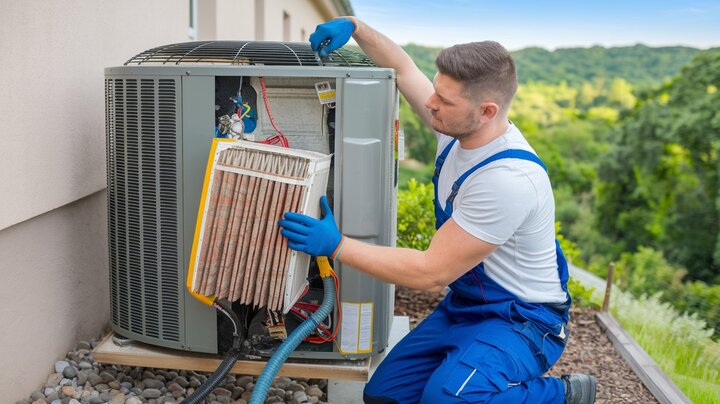
Every home tells a story through its seasons. In summer, your HVAC system hums quietly to keep the air cool and breathable. In winter, it works tirelessly to protect your home from biting cold winds. Yet most homeowners only think about their HVAC system when it stops working. The truth is, efficiency isn’t built during emergencies—it’s created through smart, consistent maintenance.
This article explores practical HVAC maintenance hacks that help homeowners maximize efficiency, extend system lifespan, and reduce energy bills. These insights are especially valuable for homes in coastal climates, where weather patterns demand more from heating and cooling systems.
Summary: HVAC efficiency depends on ongoing care, not last-minute repairs, and small habits can deliver big long-term savings.
Why HVAC Efficiency Matters More Than You Think
Your HVAC system is one of the largest energy consumers in your home. When it operates inefficiently, it doesn’t just increase utility bills—it strains components, shortens system life, and compromises indoor comfort. Many homeowners unknowingly lose efficiency due to dust buildup, airflow issues, or neglected inspections.
In coastal regions, salt air, humidity, and temperature swings place additional stress on HVAC components. That’s why understanding system efficiency is essential, especially when managing HVAC maintenance in Cape Cod, where environmental conditions can quietly erode performance over time.
Summary: An inefficient HVAC system costs more to run, wears out faster, and struggles in demanding coastal climates.
Change Air Filters More Often Than You Think
Air filters are small, inexpensive components that have a massive impact on system performance. When filters clog with dust, pollen, and debris, airflow becomes restricted. This forces the HVAC system to work harder to maintain temperature, consuming more energy.
Replacing filters every 30 to 60 days—especially during peak heating and cooling seasons—keeps airflow smooth and indoor air cleaner. Homes with pets, allergies, or coastal dust exposure may require even more frequent changes.
Summary: Clean air filters improve airflow, reduce energy usage, and protect HVAC components from unnecessary strain.
Keep Outdoor Units Clean and Unobstructed
The outdoor condenser unit plays a critical role in heat exchange, yet it’s often neglected. Leaves, sand, salt residue, and debris can build up around the unit, restricting airflow and reducing efficiency. Even partial obstruction forces the system to work harder.
Clearing vegetation, gently cleaning coils, and maintaining at least two feet of clearance around the unit allows it to operate efficiently. This simple habit significantly improves cooling performance during warmer months.
Summary: A clean, unobstructed outdoor unit improves heat transfer and prevents unnecessary system overload.
Seal Air Leaks to Stop Energy Loss
Even the most efficient HVAC system can’t perform well if your home leaks air. Gaps around windows, doors, and duct connections allow conditioned air to escape, forcing your system to run longer cycles. This not only wastes energy but also creates uneven indoor temperatures.
Sealing leaks with weatherstripping or caulk and insulating ductwork ensures that heated or cooled air reaches its destination. The result is improved comfort and noticeable energy savings.
Summary: Sealing air leaks keeps conditioned air inside, reduces HVAC workload, and improves indoor comfort.
Optimize Thermostat Settings for Smart Efficiency
Thermostat habits directly affect HVAC efficiency. Constant temperature adjustments cause frequent system cycling, which increases wear and energy consumption. Many homeowners unknowingly reduce efficiency through inconsistent settings.
Programmable or smart thermostats automatically adjust temperatures based on occupancy and time of day. These systems reduce unnecessary operation while maintaining comfort, especially during overnight hours or when the home is empty.
Summary: Smart thermostat settings reduce energy waste and help HVAC systems operate more efficiently.
Schedule Preventive Maintenance Before Peak Seasons
One of the most overlooked HVAC efficiency hacks is professional preventive maintenance. Seasonal inspections identify minor issues before they become expensive failures. Technicians clean internal components, check refrigerant levels, inspect electrical connections, and ensure safe operation.
For homeowners managing HVAC Maintenance in Cape Cod, this step is crucial. Coastal humidity and salt exposure accelerate wear, making early detection essential for long-term efficiency and system reliability.
Summary: Preventive maintenance improves efficiency, reduces breakdown risk, and extends system lifespan.
Don’t Ignore Unusual Noises or Odors
Your HVAC system communicates through sound and smell. Rattling, grinding, or buzzing noises often indicate loose components or mechanical issues. Musty odors may signal moisture buildup or mold in ducts.
Ignoring these warning signs forces the system to operate inefficiently and can lead to major repairs. Addressing issues early keeps performance consistent and prevents small problems from escalating.
Summary: Unusual noises or smells are early warnings that should be addressed to maintain efficiency.
Keep Vents Open and Airflow Balanced
Many homeowners close vents in unused rooms, assuming it saves energy. In reality, this disrupts system balance and increases pressure in the ductwork. The HVAC system is designed to distribute air evenly throughout the home.
Keeping vents open and unobstructed allows proper airflow, reduces system strain, and ensures consistent temperatures. Furniture, rugs, or curtains blocking vents should be repositioned to maintain circulation.
Summary: Balanced airflow helps HVAC systems operate as designed and prevents unnecessary stress.
Control Humidity to Support System Performance
Humidity plays a major role in how comfortable your home feels and how hard your HVAC system works. Excess humidity makes spaces feel warmer, prompting longer cooling cycles. In coastal environments, moisture control becomes even more important.
Using dehumidifiers, maintaining proper ventilation, and ensuring drainage systems work correctly helps the HVAC system manage temperature more efficiently. Lower humidity improves comfort without excessive energy use.
Summary: Managing humidity reduces HVAC workload and enhances indoor comfort.
Upgrade Insulation to Reduce HVAC Demand
Insulation is often associated with heating, but it plays an equally important role in cooling efficiency. Poor insulation allows heat transfer, forcing HVAC systems to compensate continuously. Attics, crawl spaces, and walls are common trouble areas.
Upgrading insulation stabilizes indoor temperatures and reduces the frequency of HVAC cycles. Over time, this significantly lowers energy bills and reduces system wear.
Summary: Proper insulation minimizes temperature loss and allows HVAC systems to work more efficiently.
Clean Ductwork for Better Air Distribution
Over time, dust, allergens, and debris accumulate inside ductwork, restricting airflow and reducing efficiency. Dirty ducts also compromise indoor air quality, which affects health and comfort.
Periodic duct cleaning improves airflow and helps HVAC systems distribute air evenly. While not needed annually, professional cleaning every few years can make a noticeable difference.
Summary: Clean ducts improve airflow, enhance air quality, and support efficient HVAC operation.
Replace Aging Systems Before Efficiency Drops
No HVAC system lasts forever. As systems age, efficiency declines even with good maintenance. Older units consume more energy and struggle to maintain consistent temperatures, especially during extreme weather.
Upgrading to modern, energy-efficient models delivers immediate performance improvements and long-term savings. New systems are designed to handle variable conditions with greater precision and lower operating costs.
Summary: Replacing aging HVAC systems restores efficiency and reduces long-term energy expenses.
Build a Long-Term HVAC Efficiency Mindset
Efficiency isn’t achieved through one-time fixes. It’s the result of consistent habits, informed decisions, and proactive care. Homeowners who treat HVAC maintenance as part of regular home care enjoy fewer breakdowns, lower bills, and better comfort.
By applying these HVAC maintenance hacks, you turn your system into a reliable partner rather than a recurring problem. Over time, these efforts protect your investment and create a healthier, more comfortable living space.
Summary: A long-term maintenance mindset ensures consistent comfort, efficiency, and system reliability.