Ear Piercing Explained: What You Need to Know First
Posted by hassan care
Filed in Health 232 views
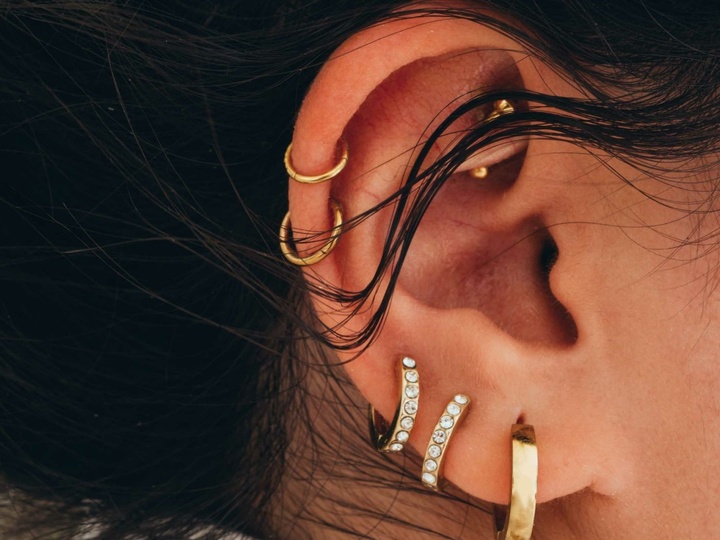
Choosing to get your ears pierced can be an exciting way to update your appearance, but it is still a procedure that creates a small wound in the skin. Whether you are considering Ear Piercing in Dubai for your first pair of earrings or thinking about adding another piercing, knowing what happens before, during, and after the procedure can make the experience much easier. From choosing the right placement and jewelry to understanding healing and aftercare, a little preparation can help you enjoy your new look while reducing avoidable complications.
Understanding the Basics of Ear Piercing
Ear piercing involves creating a small opening through the earlobe or another part of the ear so jewelry can be inserted. Earlobe piercings are generally among the simpler and less risky types because the earlobe has a good blood supply. Cartilage piercings, including those in the upper ear, can take longer to heal and may carry a higher risk of complications.
Before getting pierced, consider where you want the jewelry to sit and how it will fit your everyday style. A professional should also assess your ear's anatomy because not every placement is suitable for every person.
Common options include:
- Lobe piercing: A classic choice that is usually easier to heal.
- Upper-lobe piercing: Adds another level to a traditional lobe arrangement.
- Helix piercing: Located along the outer upper cartilage.
- Tragus piercing: Positioned on the small cartilage flap near the ear canal.
- Other cartilage piercings: These can create distinctive ear-stacking combinations but generally require more patience during healing.
The right choice depends on your anatomy, lifestyle, jewelry preferences, and willingness to follow aftercare instructions.
What to Look for in a Professional Piercing Studio
The quality of the piercing environment matters just as much as the jewelry you choose. The American Academy of Dermatology recommends selecting an experienced piercer working in a licensed studio and emphasizes proper care after the procedure.
When researching a studio for Ear Piercing in Dubai, look for clear hygiene practices and a professional approach. The piercer should explain the procedure, answer questions, use appropriate sterile equipment, and provide understandable aftercare instructions.
Before your appointment, consider asking:
- How is the equipment sterilized?
- What type of jewelry is recommended for a fresh piercing?
- What aftercare routine should I follow?
- How long should I keep the initial jewelry in?
- What should I do if I notice unusual swelling or discharge?
A clean, professional setting and an experienced piercer can significantly reduce preventable problems. The Association of Professional Piercers also notes that poor technique or inadequate aftercare can increase the risk of infection and other complications.
Choosing Jewelry for a New Piercing
Jewelry is not only a fashion decision when you are getting a fresh piercing. The material, size, shape, and fit can affect comfort while the area heals.
High-quality jewelry is generally preferred for a new piercing. Titanium, medical-grade steel, and suitable 14-karat gold are among the materials commonly recommended for fresh ear piercings.
Avoid choosing jewelry solely because it looks attractive. Very heavy earrings can put unnecessary pressure on a healing earlobe, while poorly fitted jewelry can cause irritation or become embedded as swelling develops.
Your starter jewelry should provide enough room for normal swelling without being excessively loose. A professional piercer can help determine the appropriate size and style for the placement.
Ear Piercing Aftercare: What Should You Do?
Aftercare is one of the most important parts of the piercing process. A new piercing is essentially an open wound, so keeping it clean and avoiding unnecessary irritation helps support normal healing.
The American Academy of Dermatology recommends washing your hands before touching a new piercing, gently cleaning it with a mild, fragrance-free cleanser and water, and avoiding harsh products such as hydrogen peroxide. The Association of Professional Piercers similarly advises avoiding alcohol, hydrogen peroxide, harsh antibacterial products, excessive cleaning, and unnecessary friction.
For practical ear piercing aftercare, remember these basics:
- Wash your hands before touching the piercing.
- Follow the cleaning routine recommended by your professional piercer.
- Avoid unnecessary touching, twisting, or playing with the jewelry.
- Keep cosmetics, hair products, and sprays away from the healing area.
- Avoid pressure and friction, particularly when sleeping on a healing cartilage piercing.
- Be cautious around headphones, phones, helmets, and other objects that touch the ear.
- Avoid swimming or submerging a fresh piercing in pools, hot tubs, lakes, or other bodies of water while it heals.
Healing times vary depending on the piercing location. Earlobe piercings generally heal more easily than cartilage piercings, while cartilage may require considerably more time and care.
What Is Normal During Healing—and What Is Not?
Some tenderness, mild redness, or swelling can occur during the early healing period. The important thing is to watch how these symptoms change. They should generally improve rather than become progressively worse.
Potential warning signs include increasing redness, warmth, swelling, persistent or worsening pain, and yellow or green discharge. Fever or significant swelling can also indicate that medical attention is needed.
Cartilage piercings deserve particular attention because infections affecting the upper ear can become more serious. If you suspect an infection, especially in cartilage, contacting a healthcare professional promptly is advisable.
It is also possible to experience an allergic reaction to jewelry rather than an infection. Persistent itching, irritation, or a rash around the jewelry may warrant professional evaluation, particularly if you have previously reacted to certain metals.
People who have a history of keloids or unusual scarring should also discuss their individual risks with an appropriate healthcare professional before getting pierced.
How to Prepare Before Your Appointment
Good preparation can make your ear-piercing experience more comfortable and help you make better decisions about placement and jewelry.
Before your appointment, think about your daily routine. If you regularly wear headphones, helmets, sports equipment, or sleep on one particular side, tell the piercer because these habits may affect which placement is practical.
It is also useful to arrive with clean hair and avoid applying unnecessary products around the ears. Most importantly, do not feel pressured to choose a piercing simply because it is currently fashionable. A placement that works with your ear anatomy and lifestyle is likely to be more enjoyable in the long term.
If you are considering Ear Piercing Dubai options, take time to compare professional studios, understand their hygiene standards, and ask about aftercare before committing to the procedure.
Conclusion
Ear piercing can be a simple and stylish way to express your personality, but the best results depend on more than choosing a beautiful pair of earrings. Selecting an experienced professional, using appropriate jewelry, understanding the healing process, and following careful aftercare can all contribute to a smoother experience.
If you are planning your first piercing or adding a new placement, being informed beforehand can help you make confident choices. With the right preparation and responsible Ear Piercing Treatment, you can enjoy your new jewelry while giving your piercing the care it needs to heal properly.