How Do Ceramic Crowns Help Restore Badly Damaged Teeth?
Posted by hassan care
Filed in Health 178 views
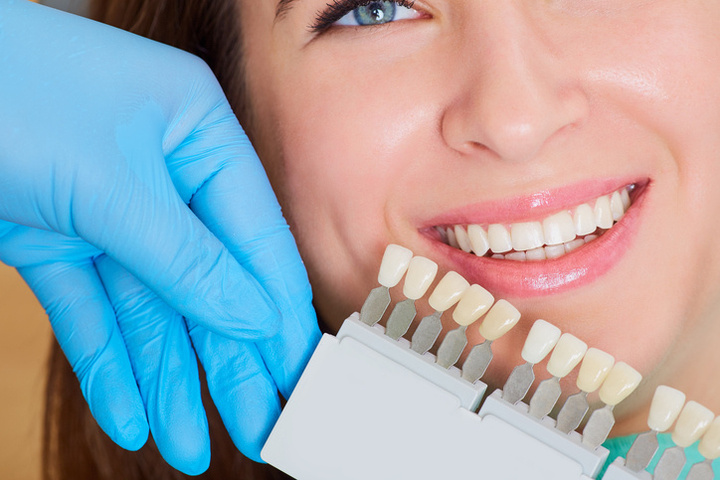
When a tooth is severely damaged, cracked, weakened by decay, or worn down over time, a regular filling may no longer provide enough protection. Ceramic Crowns in Dubai offer a tooth-colored restorative option that can cover and protect the remaining tooth structure while improving its appearance. By combining strength, function, and a natural-looking finish, ceramic crowns can help restore teeth that might otherwise require more extensive treatment.
What Are Ceramic Crowns?
A ceramic crown is a custom-made dental restoration designed to cover the visible portion of a damaged or weakened tooth. Unlike a filling, which repairs only part of the tooth, a crown surrounds the tooth and provides a protective outer layer.
Ceramic crowns are made from dental-grade ceramic materials designed to closely resemble natural enamel. Their color, shape, and size can be customized to blend with the surrounding teeth, making them particularly popular for visible teeth.
They may be recommended when a tooth has lost a substantial amount of its natural structure but still has enough healthy tissue to support a crown.
How Ceramic Crowns Restore Badly Damaged Teeth
Severely damaged teeth can become vulnerable to further cracks, sensitivity, infection, and functional problems. A well-fitted crown acts as a protective covering, helping hold the remaining tooth structure together and allowing the tooth to function during normal biting and chewing.
Depending on the condition of the tooth, a dentist may recommend a ceramic crown after treating decay or completing a root canal. The crown is then placed over the prepared tooth to restore its shape and provide additional protection.
Some of the key ways ceramic crowns can help include:
- Protecting weakened teeth: A crown can reduce exposure of vulnerable tooth structure to chewing forces.
- Restoring tooth shape: It can rebuild a tooth that has been significantly worn, chipped, or broken.
- Improving chewing function: Restoring the tooth's original contours can make biting and chewing more comfortable.
- Supporting remaining tooth structure: The crown provides coverage around the prepared tooth.
- Enhancing appearance: Ceramic materials can closely mimic the translucency and color of natural teeth.
The exact approach depends on how much healthy tooth structure remains and whether the tooth has additional problems such as decay or infection.
Ceramic Crowns and Tooth Damage: When Are They Recommended?
Not every damaged tooth requires a crown. Dentists generally consider the extent of damage, the strength of the remaining tooth, the location of the tooth, and the patient's overall oral health before recommending this type of restoration.
Ceramic crowns may be considered for teeth affected by:
Extensive Tooth Decay
When decay has removed a large portion of a tooth, a conventional filling may not provide sufficient structural support. After the decay is removed, a crown can cover the remaining tooth and restore its function.
Cracks and Fractures
A cracked tooth can become increasingly vulnerable under everyday chewing pressure. In appropriate cases, a crown can help protect the remaining structure and reduce the risk of further damage.
Large or Failed Fillings
Large fillings can sometimes leave relatively little natural tooth structure around them. If the tooth becomes weakened or the restoration repeatedly fails, a crown may provide more comprehensive coverage.
Severe Wear
Grinding, clenching, acidic erosion, or long-term wear can significantly alter the shape and strength of teeth. A crown may be considered when enough tooth structure has been lost to affect function or stability.
Root Canal-Treated Teeth
Teeth that have undergone root canal treatment may require additional protection, particularly when substantial tooth structure has already been removed. A crown can help restore the tooth's form and protect it from everyday biting forces.
Why Choose Ceramic for Tooth Restoration?
One of the main advantages of ceramic crowns is their natural appearance. Dental ceramics can be selected and shaped to resemble the surrounding teeth, making the restoration less noticeable when you smile or speak.
Modern ceramic materials also offer useful strength and durability. However, the performance of a crown depends on several factors, including the material selected, the quality of the dental preparation, the accuracy of the fit, and the patient's oral hygiene habits.
Another benefit is that ceramic crowns can be customized to suit the individual tooth. The dentist can consider the tooth's size, shape, shade, and position when designing the restoration.
For patients concerned about the appearance of heavily damaged teeth, Ceramic Crowns Treatment can therefore provide both restorative and cosmetic benefits without relying on a visibly metallic covering.
What Happens During Ceramic Crown Placement?
The process usually involves several stages, although the exact sequence can vary depending on the condition of the tooth.
1. Dental examination
The dentist evaluates the damaged tooth and surrounding tissues. X-rays or other diagnostic imaging may be used when necessary to assess the tooth's roots and supporting structures.
2. Treatment of underlying problems
Any significant decay or infection generally needs to be addressed before the crown is placed. If the tooth requires root canal treatment, that may be completed before restoration.
3. Tooth preparation
A small amount of tooth structure is reshaped to create enough room for the crown. The goal is to preserve as much healthy tooth structure as possible while creating a suitable foundation.
4. Digital scan or impression
The prepared tooth is recorded using an impression or digital scanning system. This information helps create a crown that fits the tooth and works properly with the surrounding teeth.
5. Crown placement
Once the ceramic crown is ready, the dentist checks its fit, shape, bite, and appearance. After any necessary adjustments, it is securely bonded to the prepared tooth using dental cement or an appropriate adhesive system.
A properly fitted crown should feel comfortable and function naturally once the patient becomes accustomed to it.
How to Care for Ceramic Crowns After Treatment
A ceramic crown does not make the underlying tooth immune to decay or gum disease. The tooth and surrounding tissues still require regular care.
Good oral hygiene is therefore essential for maintaining both the crown and the natural tooth underneath it.
Helpful habits include:
- Brush twice a day with fluoride toothpaste.
- Clean between the teeth daily using floss or another suitable interdental aid.
- Attend regular dental examinations and professional cleanings.
- Avoid using teeth to open packages or bite hard non-food objects.
- Follow your dentist's advice if you grind or clench your teeth.
- Contact your dentist if the crown feels loose, painful, cracked, or uncomfortable.
With appropriate care and regular dental monitoring, ceramic crowns can provide long-term restoration for appropriately selected teeth.
Are Ceramic Crowns Suitable for Every Badly Damaged Tooth?
Although ceramic crowns can restore many severely damaged teeth, they are not suitable in every situation. A tooth must generally have enough healthy structure and adequate support to hold the restoration securely.
If damage extends too far below the gum line, the tooth has a severe fracture, or there is insufficient supporting structure, another treatment may be more appropriate. In some cases, the dentist may need to consider alternatives such as a different type of restoration, a dental bridge, or an implant-supported replacement.
This is why an individual dental examination is important before deciding on a restoration. The best option depends on the condition of the tooth rather than simply its appearance.
Conclusion
Badly damaged teeth can affect more than your smile—they may also interfere with chewing and become increasingly vulnerable to further problems. Ceramic crowns can provide protective coverage, restore the shape and function of compromised teeth, and deliver a natural-looking appearance when carefully planned and fitted.
If you have a cracked, severely decayed, worn, or weakened tooth, a dental examination can determine whether Ceramic Crowns Treatment is an appropriate solution. Discussing your options with a qualified dentist can help you understand how the restoration could protect your tooth and support your long-term oral health.