From Cold Compresses to Fillers for Dark Circles Treatment
Posted by care health
201 views
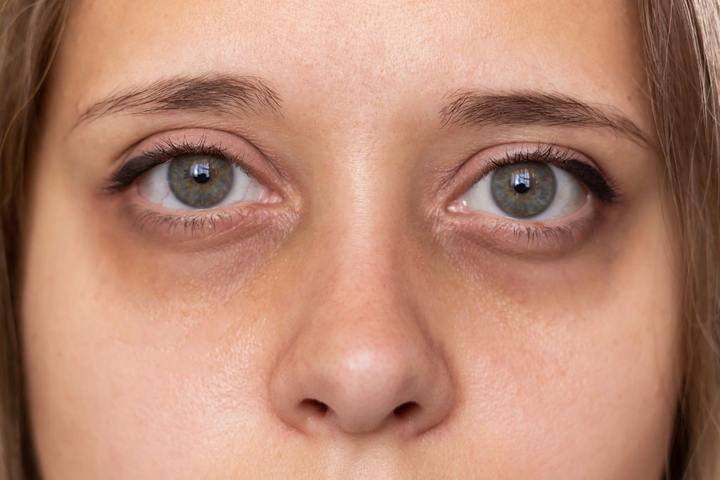
Dark circles can make the face look tired, even when you feel refreshed and well-rested. For people exploring Dark circles treatment in Dubai, the right approach depends largely on what is causing the discoloration, hollowness, puffiness, or shadowing beneath the eyes. While simple home remedies may help mild cases, professional options can offer more targeted improvement when dark circles persist.
Understanding What Causes Dark Circles
Before choosing a treatment, it is important to understand why dark circles appear. The skin around the eyes is naturally thin and delicate, which means blood vessels, pigmentation, and changes in underlying tissue can become more noticeable. In some people, genetics play a major role, while others develop under-eye darkness because of sun exposure, allergies, dehydration, lack of sleep, or natural ageing.
There are several common types of dark circles. Brown or grey pigmentation may be linked to excess melanin and sun exposure. Bluish or purple tones can result from visible blood vessels beneath thin skin. Meanwhile, hollowness beneath the eyes may create shadows that look like dark circles even when there is little actual pigmentation. Identifying the underlying cause helps determine whether a skincare routine, lifestyle changes, or an in-clinic procedure is more appropriate.
Cold Compresses for Temporary Relief
One of the simplest ways to manage puffy-looking eyes is a cold compress. Applying a cool, clean cloth to the under-eye area for a few minutes may temporarily reduce swelling and make the area appear more refreshed. The cooling effect can constrict blood vessels and calm mild inflammation, which may be particularly useful after a night of poor sleep or when the eyes appear swollen.
However, cold compresses are not a permanent solution for every type of under-eye concern. They are unlikely to significantly change pigmentation or correct deep hollows caused by volume loss. Nevertheless, they can be a useful part of a daily self-care routine, especially when combined with adequate sleep, hydration, and gentle skincare.
Skincare Ingredients That May Help
For mild discoloration, carefully selected skincare ingredients can gradually improve the appearance of the under-eye area. Because this skin is thinner and more sensitive than other parts of the face, products should be introduced cautiously and used according to professional guidance when necessary.
Ingredients commonly found in under-eye formulations include:
- Vitamin C, which may help brighten dull-looking skin and support a more even appearance.
- Niacinamide, which can help improve the look of uneven pigmentation and strengthen the skin barrier.
- Caffeine, often used to temporarily reduce the appearance of puffiness.
- Retinoids, which may support collagen production and improve skin texture when appropriately formulated.
- Hyaluronic acid, which helps attract moisture and can make dehydrated skin appear smoother and plumper.
Dark circles treatment can therefore involve a combination of consistent skincare and targeted professional procedures, depending on whether pigmentation, vascular visibility, puffiness, or volume loss is the primary concern. Since different causes respond to different methods, a personalized assessment is often more useful than relying on a single universal remedy.
Sun Protection and Lifestyle Changes
Daily sun protection is an important part of managing under-eye discoloration. Ultraviolet exposure can contribute to pigmentation and may make existing dark areas more noticeable over time. Wearing broad-spectrum sunscreen and using sunglasses can help reduce ongoing environmental damage.
In addition, lifestyle habits may influence how the under-eye area looks. Getting sufficient sleep, drinking enough fluids, managing allergies, and avoiding frequent rubbing of the eyes can all support healthier-looking skin. Although these steps may not eliminate genetic or structural dark circles, they can help prevent certain concerns from becoming more pronounced.
Furthermore, people with persistent allergies may notice that their under-eye darkness worsens when symptoms are uncontrolled. Rubbing or scratching the delicate skin can cause irritation and contribute to discoloration. Addressing the underlying trigger can therefore be an important part of a broader under-eye care routine.
Chemical Peels and Targeted Treatments
When pigmentation is a major factor, professional treatments may be considered. Certain superficial chemical peels are designed to improve uneven skin tone by encouraging the removal of damaged surface cells. However, the delicate eye area requires particular caution, and treatments should only be performed using appropriate techniques and formulations.
Depending on the individual's skin type and the cause of discoloration, other options may also be considered. Laser-based procedures and energy treatments can sometimes target pigmentation or improve overall skin quality. These approaches are not suitable for everyone, so a professional evaluation is important before selecting a treatment.
Microneedling for Skin Quality
Microneedling is another option that may be considered for certain under-eye concerns. The procedure uses controlled micro-injuries to encourage the skin's natural repair response and stimulate collagen production. Over time, this may help improve skin texture and firmness.
For individuals whose dark circles are partly related to thin or crepey skin, improving skin quality may make the area appear smoother and more refreshed. However, microneedling does not directly replace lost volume, so it may not be the most suitable choice for pronounced tear trough hollows.
Fillers for Under-Eye Hollows
When dark circles are primarily caused by structural shadows or volume loss, dermal fillers may offer a more targeted approach. Under-eye fillers are designed to restore volume in carefully selected areas, helping reduce the appearance of hollows that create shadows beneath the eyes.
The goal is not simply to add volume but to create a smoother transition between the lower eyelid and cheek. When appropriately selected and administered, fillers may make the under-eye area appear less sunken and more refreshed.
It is important to understand that fillers are not ideal for every type of dark circle. They may have limited value when pigmentation is the main concern, and they require careful assessment because the under-eye area is anatomically delicate. A qualified professional can determine whether the appearance is primarily caused by hollowness, pigmentation, visible vessels, or a combination of factors.
Choosing the Right Approach
Because dark circles can have several causes, treatment should be based on individual needs rather than trends. Someone with mild puffiness may benefit from cold compresses and lifestyle adjustments, while another person with pigmentation may require a targeted skincare or professional treatment plan. Similarly, pronounced hollowness may respond better to a volume-restoring procedure.
A consultation can help identify the dominant cause and establish realistic expectations. In some cases, combining approaches may provide more balanced results. For example, skincare and sun protection can support long-term skin health, while a professional procedure addresses a specific structural or pigmentation concern.
What to Consider Before Treatment
Before beginning any professional under-eye procedure, consider factors such as skin sensitivity, allergies, previous treatments, and the specific appearance of the dark circles. It is also useful to discuss expected results, possible side effects, recovery requirements, and whether maintenance treatments may be needed.
Most importantly, avoid choosing a treatment solely because it is popular. The best dark circles treatment is one that addresses the underlying cause while respecting the delicate anatomy around the eyes. A personalized approach can help avoid unnecessary procedures and create more natural-looking outcomes.
Final Thoughts
From a simple cold compress to advanced options such as dermal fillers, there are several ways to address the appearance of dark circles. The key is determining whether the concern is related to pigmentation, puffiness, visible blood vessels, skin quality, or under-eye volume loss. With the right assessment and a suitable treatment plan, it is possible to improve the appearance of tired-looking eyes while maintaining natural facial balance. For those considering professional care, Dynamic Clinic can be considered as part of the process of exploring personalized options for under-eye rejuvenation.