Why Explore Radio Frequency Treatment Options?
Posted by care health
Filed in Health 137 views
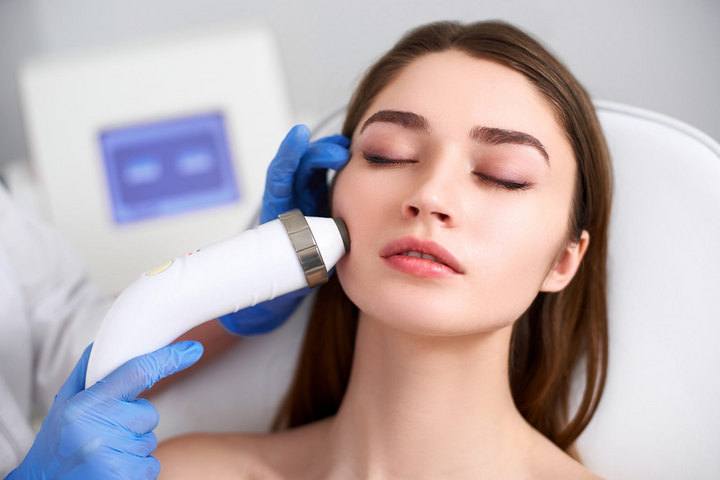
If you are looking for a way to improve skin firmness and signs of aging without immediately choosing surgery, Radio frequency treatment in Dubai may be an option worth exploring. This technology uses controlled radiofrequency energy to heat targeted layers of the skin, encouraging collagen remodeling and supporting a firmer, smoother appearance. Modern research suggests that RF treatments can improve skin texture and firmness, although results vary depending on the technology, treatment plan, and individual skin characteristics.
What Is Radio Frequency Treatment?
Radiofrequency treatment is an energy-based cosmetic procedure designed to deliver controlled heat into the skin. Unlike treatments that primarily work on the skin's surface, RF technology can target deeper tissue, where thermal energy may stimulate collagen contraction and the production of new collagen.
Collagen naturally provides structure and firmness to the skin. As people age, collagen production gradually decreases, which can contribute to fine lines, reduced elasticity, and mild skin laxity. RF treatments aim to encourage the skin's natural remodeling process rather than simply providing a temporary surface effect.
There are also different types of RF technology. Some systems are non-invasive and deliver energy through the skin's surface, while radiofrequency microneedling uses tiny needles to deliver RF energy more directly into the dermis. Because these approaches work at different depths, choosing the appropriate technology is an important part of treatment planning.
Why Consider RF Skin Tightening?
One of the main reasons people explore RF is the desire for firmer-looking skin without undergoing surgery. Non-invasive RF can be particularly appealing to individuals experiencing early or moderate signs of skin laxity who want gradual improvement.
The heat generated by RF energy can trigger collagen remodeling. Over time, this process may improve the skin's structure and elasticity, producing a smoother and tighter appearance. Research has documented increases in collagen following RF treatment, although the strength of evidence differs between technologies and studies.
Recent evidence also supports improvements in several aspects of facial skin quality. A 2025 systematic review covering 15 studies and 1,230 participants found generally positive outcomes for skin texture and firmness, alongside high patient satisfaction. However, the researchers also emphasized differences in treatment protocols and limitations in the quality of available evidence.
This makes RF particularly interesting for people who prefer a gradual approach rather than an abrupt change in appearance.
Which Skin Concerns Can RF Address?
The exact benefits depend on the device and technique used, but radiofrequency skin tightening is commonly explored for concerns associated with reduced firmness and visible skin aging.
Potential areas of improvement include:
- Mild skin laxity
- Fine lines and wrinkles
- Uneven or rough skin texture
- Reduced skin firmness
- Early signs of facial aging
- Some areas of loose skin on the body
- Loss of definition associated with mild laxity
The American Academy of Dermatology notes that RF can produce tightening and lifting effects, with improvements developing progressively as collagen production takes place. Results are not necessarily immediate, and additional treatments may be recommended for some individuals.
RF can also be used on areas beyond the face. Depending on the technology, dermatologists may use radiofrequency to address loose skin around areas such as the neck and upper arms.
Importantly, RF should not be viewed as a replacement for every cosmetic procedure. Significant excess skin or advanced tissue laxity may require a different approach. A professional assessment can help determine whether an energy-based treatment is appropriate for the concern being treated.
How Does Radiofrequency Encourage Skin Remodeling?
Understanding how RF works can make it easier to decide whether exploring the treatment makes sense.
During a procedure, the device delivers radiofrequency energy into selected tissue. This energy produces controlled heat, which can affect collagen fibers and initiate a wound-healing response that encourages remodeling.
The process generally involves several stages:
- Controlled heating: RF energy raises the temperature of targeted tissue.
- Collagen response: Existing collagen can contract and reorganize.
- Remodeling: The body gradually begins producing and reorganizing collagen.
- Visible improvement: Skin firmness and texture may progressively improve.
The timeline is important because collagen remodeling does not happen overnight. The AAD explains that people may notice some initial tightening after RF, while the best results can become more apparent over several months.
For this reason, judging the treatment immediately after one session may give an incomplete picture of its potential outcome.
What Makes Different RF Options Worth Exploring?
Not every radiofrequency procedure is the same. The major difference involves how the energy reaches the tissue and how deeply it is delivered.
Non-Invasive RF
Non-invasive RF delivers energy through the skin without intentionally creating openings in the surface. It is often considered when the primary goal is gradual improvement in firmness, mild laxity, or overall skin rejuvenation.
Because there is generally less disruption to the skin surface, these treatments may appeal to people looking for minimal recovery. However, the level of improvement can be more subtle than what is possible with surgical procedures.
Radiofrequency Microneedling
Radiofrequency microneedling combines microneedling with RF energy. Tiny needles enter the skin and deliver energy into the dermis, creating controlled thermal zones that can stimulate collagen remodeling.
A recent systematic review found that RF microneedling studies generally reported improvements in skin texture and tightening, with adverse effects typically described as mild and temporary.
This approach may be considered when someone wants to address both skin quality and firmness, but it involves a different treatment process and recovery profile than non-invasive RF.
Different RF Configurations
RF systems can also differ in how energy is distributed. Monopolar, bipolar, multipolar, and fractional technologies have different delivery characteristics and treatment applications. Therefore, the name "RF treatment" alone does not provide enough information to predict the exact experience or results.
A qualified practitioner should assess the treatment area, skin condition, desired outcome, and appropriate energy-delivery method before recommending a specific option.
What Should Beginners Consider Before Choosing RF?
Exploring radiofrequency treatment does not mean automatically choosing it. The most useful first step is understanding what you want to improve and whether RF is designed to address that concern.
Consider these factors before treatment:
- Your primary concern: Decide whether laxity, fine lines, texture, or another issue is your main priority.
- Treatment type: Ask whether the proposed procedure is non-invasive RF or RF microneedling.
- Expected results: Understand that improvements are usually gradual rather than dramatic.
- Number of sessions: Some people may benefit from multiple treatments depending on the device and treatment objective.
- Recovery: Ask about redness, swelling, sensitivity, or other expected temporary effects.
- Skin assessment: A professional evaluation can help identify whether RF is appropriate for your skin and treatment goals.
- Realistic expectations: RF can improve the appearance of mild to moderate concerns but cannot reproduce the results of surgical lifting procedures.
Recent research supports the overall potential of RF for facial rejuvenation, but systematic reviews also highlight variation among devices, treatment protocols, and study quality.
Is Radio Frequency Treatment a Good Option for You?
RF may be worth exploring if you want gradual skin tightening and rejuvenation while avoiding or postponing more invasive procedures. It can be particularly relevant when the concern involves early skin laxity, reduced firmness, or changes in texture associated with aging.
At the same time, the best treatment depends on individual circumstances. Skin type, degree of laxity, treatment area, previous procedures, and desired outcome can all influence which technology is appropriate.
A consultation with a qualified dermatology or aesthetic professional can help establish whether RF is suitable and which approach is most appropriate. It is also useful to ask about expected results, potential side effects, recovery, and how many sessions may be recommended.
Conclusion
Exploring RF options can make sense for people seeking a gradual approach to firmer, smoother-looking skin. Evidence suggests that controlled radiofrequency energy can support collagen remodeling and improve aspects of skin texture and firmness, although outcomes vary between devices and individuals.
Ultimately, Radio frequency treatment is best considered as one option within a broader range of skin-rejuvenation treatments. Understanding your concerns, learning how the specific technology works, and receiving an individualized professional assessment can help you make a more informed decision.