Can You Completely Remove a Tattoo with Laser Treatment?
Posted by Dynamic healthcare
Filed in Health 202 views
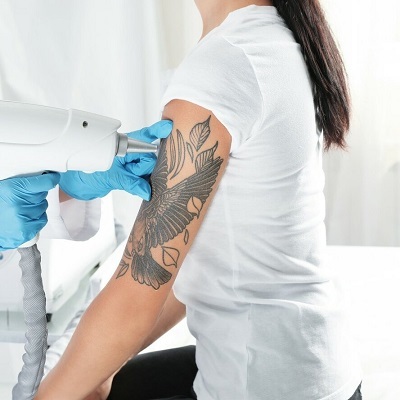
If you've ever regretted getting inked, you're not alone. Millions of people every year ask the same burning question — can you completely remove a tattoo with laser treatment? The short answer is yes, in many cases complete removal is absolutely possible. But the full picture depends on several key factors that every tattoo removal candidate should understand before starting their journey.
In this guide, we break down everything you need to know about laser tattoo removal — how it works, what affects results, how many sessions you'll need, and what to realistically expect from the process.
What Is Laser Tattoo Removal and How Does It Work?
Laser tattoo removal is the gold standard, clinically proven method for eliminating unwanted tattoos safely and effectively. It uses concentrated pulses of laser energy to penetrate the skin and break down tattoo ink particles into microscopic fragments. Once shattered, these tiny ink particles are naturally processed and eliminated by the body's immune system over time.
The most advanced technology used today is the Q-switched laser and the newer PicoSecond laser, both of which deliver ultra-fast pulses of energy that target ink without significantly damaging surrounding skin tissue.
How the Laser Targets Ink
Each laser wavelength targets specific ink colors. For example:
-
1064 nm wavelength targets dark colors like black and dark blue
-
532 nm wavelength targets red, orange, and yellow pigments
-
694 nm wavelength is effective on green and teal inks
This multi-wavelength approach is what makes modern Laser Tattoo Removal in Dubai clinics so effective at treating even the most colorful and complex tattoos.
Can a Tattoo Be 100% Removed?
This is the most important question — and the honest answer is: it depends.
Many tattoos can be completely and permanently removed, leaving behind no visible trace. However, complete removal is influenced by a range of individual factors. Some tattoos may leave very faint ghosting or slight skin texture changes, while others disappear entirely.
Studies show that black ink tattoos have the highest success rate for complete removal, with many patients achieving 95–100% clearance after the recommended number of sessions.
Key Factors That Determine Complete Tattoo Removal
1. Ink Color
Black and dark-colored inks respond best to laser energy. Multi-colored tattoos — especially those with light greens, yellows, and whites — require more sessions and specialized wavelengths. Advances in laser technology have significantly improved results for all ink colors.
2. Tattoo Age
Older tattoos are generally easier to remove than fresh ones. Over time, the body's immune system naturally breaks down some ink particles, making the tattoo fade. A 10-year-old tattoo will typically respond faster to laser treatment than one that's only 6 months old.
3. Tattoo Size and Placement
Larger tattoos require more sessions. Tattoos placed on areas with good circulation — such as the upper arms or chest — tend to fade faster because the immune system can flush out broken ink more efficiently. Tattoos on the hands, feet, or ankles may take longer.
4. Ink Density and Layering
Amateur tattoos done with lighter, less consistent ink application often remove more easily than professional tattoos, which use dense, high-quality pigments injected deeper into the dermis. Cover-up tattoos — where one design is inked over another — are among the most challenging to treat due to layered pigments.
5. Skin Type
Individuals with lighter skin tones typically see faster and more complete results because there's less melanin competing with the laser's targeting of ink. However, modern laser systems are now calibrated to treat all skin tones safely, including deeper complexions common in Middle Eastern and South Asian populations.
6. Your Immune System
The laser doesn't remove ink directly — it shatters it into particles small enough for your lymphatic system to flush out. A healthy immune system, supported by proper hydration, good nutrition, and avoiding smoking, speeds up the clearing process between sessions.
How Many Sessions Does Complete Tattoo Removal Require?
There is no universal number — every tattoo is unique. However, most professionals use the Kirby-Desai Scale, a clinical tool that estimates the number of sessions based on skin type, ink colors, location, and other variables.
On average:
-
Amateur tattoos: 3–6 sessions
-
Professional tattoos: 6–12 sessions
-
Complex or colorful tattoos: 10–15+ sessions
Sessions are typically spaced 6 to 8 weeks apart to allow the skin to heal and the body to flush out ink particles. Rushing sessions reduces effectiveness and increases the risk of side effects.
What Does the Laser Tattoo Removal Process Feel Like?
Most patients describe the sensation as similar to a rubber band snapping against the skin, or the feeling of bacon grease splashing briefly. Modern clinics use topical numbing creams, cooling devices, and sometimes local anesthesia to minimize discomfort.
After each session, the treated area may experience:
-
Redness and swelling (resolves within a few hours to days)
-
Blistering (a normal part of the healing response)
-
Frosting (a temporary white reaction from CO₂ gas released during treatment)
-
Mild scabbing or peeling
These are all normal, temporary responses and are signs that the treatment is working.
Is Laser Tattoo Removal Safe?
When performed by qualified professionals using FDA-approved equipment, laser tattoo removal is extremely safe. Serious complications are rare when proper aftercare is followed.
Potential risks, when treatments are not done correctly, can include:
-
Temporary hyperpigmentation (darkening) or hypopigmentation (lightening) of the skin
-
Scarring (rare, and usually linked to improper aftercare or too-frequent sessions)
-
Infection if post-treatment wound care is neglected
Choosing a reputable, medically supervised clinic significantly reduces all of these risks.
Laser Tattoo Removal in Dubai — What You Should Know
Dubai has emerged as one of the leading destinations in the region for advanced aesthetic and dermatological treatments, including laser tattoo removal. The city's clinics are equipped with cutting-edge PicoSure and Q-switched Nd:YAG laser systems, operated by internationally trained medical professionals.
Why people choose Laser Tattoo Removal in Dubai:
-
State-of-the-art technology: Dubai clinics invest in the latest generation of picosecond lasers, which are faster, more effective, and gentler on the skin than older nanosecond devices.
-
Experienced specialists: Many practitioners hold international board certifications in dermatology and laser medicine.
-
Customized treatment plans: Each patient receives a personalized assessment based on their skin type, tattoo characteristics, and desired outcome.
-
Strict safety standards: Dubai's healthcare regulatory environment ensures clinics meet high standards for hygiene, equipment, and patient safety.
-
Inclusive treatment for all skin tones: Given the diverse population of Dubai, practitioners are highly experienced in treating a wide spectrum of skin types safely and effectively.
Whether you're a resident or visiting the UAE, Laser Tattoo Removal in Dubai offers world-class results in a medically professional environment.
Tips to Maximize Your Tattoo Removal Results
Getting the best possible outcome from your laser sessions isn't just about the treatment itself — your lifestyle and aftercare play a huge role.
Before your session:
-
Stay hydrated and maintain a healthy diet
-
Avoid sun exposure on the treatment area for at least 4 weeks prior
-
Quit or reduce smoking, as it significantly slows the immune response
-
Shave the area if needed (your technician will guide you)
After your session:
-
Apply prescribed healing ointment and keep the area clean
-
Avoid picking at blisters or scabs
-
Keep the area out of direct sunlight and use SPF 50+ sunscreen
-
Avoid swimming pools, saunas, or intense workouts for 48–72 hours
-
Stay well-hydrated to support lymphatic clearance of ink particles
Frequently Asked Questions
Will the tattoo completely disappear without a trace?
In many cases, yes — especially for dark-ink, older, or amateur tattoos. Some tattoos may leave very subtle skin texture differences, but complete ink removal is achievable for the majority of patients with a full treatment course.
Does the color of my tattoo affect how many sessions I need?
Absolutely. Black, dark blue, and red inks respond fastest. Yellow, green, and light-colored inks require more sessions. A proper skin and tattoo assessment before treatment will give you a realistic session estimate.
Is one session enough?
No. Multiple sessions are always required, regardless of the tattoo. Ink is deposited in multiple layers, and the body needs time between sessions to flush out fragmented pigment.
Can I remove just part of a tattoo?
Yes. Partial removal is entirely possible and commonly requested for tattoo modifications, cover-up preparation, or removing specific elements of a design.
Final Verdict: Yes, Complete Tattoo Removal Is Possible
Laser treatment is the most effective, scientifically validated method for removing unwanted tattoos. While 100% removal isn't guaranteed for every single case, the vast majority of patients achieve dramatic fading or complete clearance with a proper treatment plan.
The key to success lies in choosing the right clinic, being consistent with your sessions, following aftercare guidelines, and maintaining realistic expectations based on your specific tattoo and skin type.
If you're considering Laser Tattoo Removal in Dubai, now is the best time to consult with a qualified specialist, get a personalized assessment, and start your journey toward clear, ink-free skin.