What Is a Powder Bagging Machine and Why Is It Essential for Modern Packaging
Posted by keith willson
Filed in Business 200 views
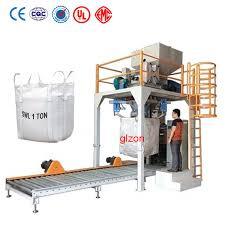
In today's fast-paced manufacturing environment, efficient packaging solutions play a critical role in maintaining productivity and product quality. One of the most important pieces of equipment used in industries handling powdered materials is the powder bagging machine. Whether packaging flour, cement, chemicals, fertilizers, minerals, or food ingredients, these machines ensure accurate filling, reduced waste, and consistent packaging performance. Bagging Machine specializes in advanced powder packaging solutions that improve operational efficiency while delivering precise, reliable bagging results. As industries continue to automate their production processes, powder bagging machines have become indispensable tools for high-speed, accurate packaging.
What Is a Powder Bagging Machine?
A powder bagging machine is an automated or semi-automated packaging system specifically designed to fill bags with powdered products. These machines accurately measure and dispense powder into bags while maintaining consistency and minimizing product loss. Powder bagging machines are engineered to handle materials with varying densities and flow characteristics. They can package fine powders, granules, and bulk powder materials into different bag sizes and types, making them suitable for diverse industrial applications. The primary goal of a powder bagging machine is to streamline packaging operations while ensuring precision, speed, and cleanliness.
How Does a Powder Bagging Machine Work?
The operation of a powder bagging machine typically follows these steps:
1. Material Feeding
Powder materials are transferred from storage silos, hoppers, or conveyors into the machine's feeding system.
2. Weighing and Measurement
The machine uses load cells, augers, or weighing mechanisms to determine the exact amount of product required for each bag.
3. Bag Positioning
An operator or automated bag placer positions empty bags beneath the filling spout.
4. Filling Process
The machine dispenses the measured powder into the bag while controlling dust emissions and ensuring filling accuracy.
5. Bag Sealing
Once filled, bags are sealed using heat sealing, sewing, folding, or other closure methods depending on packaging requirements.
6. Discharge and Conveying
Filled bags are transported to palletizing or storage areas for shipment and distribution.
Types of Powder Bagging Machines
Automatic Powder Bagging Machines
Automatic systems perform bag placement, filling, weighing, sealing, and conveying with minimal human intervention. These machines are ideal for high-volume production environments.
Semi-Automatic Powder Bagging Machines
Semi-automatic models require operators to place bags manually while the machine performs weighing and filling operations. They offer a cost-effective solution for medium-scale production.
Open Mouth Powder Bagging Machines
Designed for products packed in open-mouth bags, these machines provide easy filling and sealing for various powder products.
Valve Bag Filling Machines
Valve bag fillers inject powder through a valve opening, reducing dust and enabling faster packaging speeds.
Bulk Bag Filling Systems
These systems are used for filling large FIBC bags or super sacks with powdered materials in industrial quantities.
Key Features of Modern Powder Bagging Machines
High Filling Accuracy
Advanced weighing technologies ensure precise bag weights, reducing product giveaway and improving profitability.
Dust Control Systems
Integrated dust collection systems help maintain a clean work environment and comply with workplace safety regulations.
User-Friendly Controls
Modern touch-screen interfaces allow operators to monitor and adjust machine settings quickly.
Flexible Bag Compatibility
Machines can accommodate multiple bag sizes and materials, providing versatility for changing production needs.
Durable Construction
Heavy-duty stainless steel and industrial-grade components ensure long service life and reliable performance.
Automated Operations
Automation reduces labor requirements and increases production throughput.
Benefits of Using a Powder Bagging Machine
Increased Productivity
Automated bagging significantly speeds up packaging operations compared to manual filling methods.
Improved Accuracy
Consistent weighing prevents overfilling and underfilling, ensuring product quality and customer satisfaction.
Reduced Labor Costs
Automation minimizes manual handling and lowers staffing requirements.
Enhanced Workplace Safety
Dust containment systems help protect workers from airborne particles and improve facility cleanliness.
Lower Product Waste
Precise filling systems reduce material loss during packaging.
Better Packaging Consistency
Uniformly filled bags improve pallet stability and create a professional appearance.
Industries That Use Powder Bagging Machines
Food Industry
-
Flour
-
Sugar
-
Starch
-
Milk powder
-
Protein powder
-
Spice blends
Construction Industry
-
Cement
-
Mortar
-
Gypsum
-
Lime powder
Chemical Industry
-
Industrial chemicals
-
Pigments
-
Additives
-
Detergent powders
Agriculture Industry
-
Fertilizers
-
Animal feed supplements
-
Agricultural minerals
Mining and Minerals
-
Silica powder
-
Bentonite
-
Talc
-
Calcium carbonate
Pharmaceutical Industry
-
Active ingredients
-
Nutritional supplements
-
Medical powders
Factors to Consider When Choosing a Powder Bagging Machine
Product Characteristics
Evaluate powder density, particle size, flowability, and moisture content before selecting equipment.
Production Capacity
Choose a machine that aligns with your daily and hourly packaging requirements.
Bag Size Requirements
Ensure the machine can handle the range of bag sizes used in your operation.
Automation Level
Determine whether a fully automatic or semi-automatic solution best suits your production goals and budget.
Maintenance Requirements
Select equipment with accessible components and reliable technical support.
Future Scalability
Invest in systems that can accommodate future production growth.
Why Automation Is Transforming Powder Packaging
Manufacturers worldwide are adopting automated powder bagging solutions to improve efficiency and remain competitive. Automation helps eliminate bottlenecks, reduce operating costs, and improve packaging consistency. Advanced systems now integrate with conveyor networks, palletizers, robotic bag handlers, and production management software to create fully automated packaging lines. These innovations enable manufacturers to maximize output while maintaining exceptional quality standards. As labor costs continue to rise and production demands increase, automated powder bagging machines offer a practical solution for achieving long-term operational success.
Conclusion
A powder bagging machine is a vital component of modern packaging operations, providing accurate, efficient, and reliable filling of powdered products. From food processing and construction materials to chemicals and agricultural products, these machines help businesses increase productivity while reducing waste and labor costs. By investing in the right powder bagging system, manufacturers can improve packaging quality, enhance workplace safety, and meet growing market demands with confidence. Whether you require a semi-automatic solution or a fully automated packaging line, selecting the appropriate powder bagging machine can significantly impact operational performance and profitability.
Frequently Asked Questions (FAQs)
1. What products can a powder bagging machine package?
Powder bagging machines can package flour, cement, chemicals, fertilizers, minerals, food powders, pharmaceutical powders, and many other powdered materials.
2. How accurate are powder bagging machines?
Modern systems typically achieve filling accuracies within a few grams, depending on the product and machine configuration.
3. Can powder bagging machines reduce dust during filling?
Yes. Most modern machines include dust collection and containment systems to minimize airborne particles.
4. What is the difference between automatic and semi-automatic powder bagging machines?
Automatic machines perform most operations independently, while semi-automatic machines require some operator involvement, such as bag placement.
5. Are powder bagging machines suitable for large-scale production?
Yes. Fully automated powder bagging systems are specifically designed for high-volume industrial packaging operations.