Top CBSE Schools in Unnao: How to Choose the Right Start for Your Little One
Posted by Lucknow Public School
Filed in Other 7 views
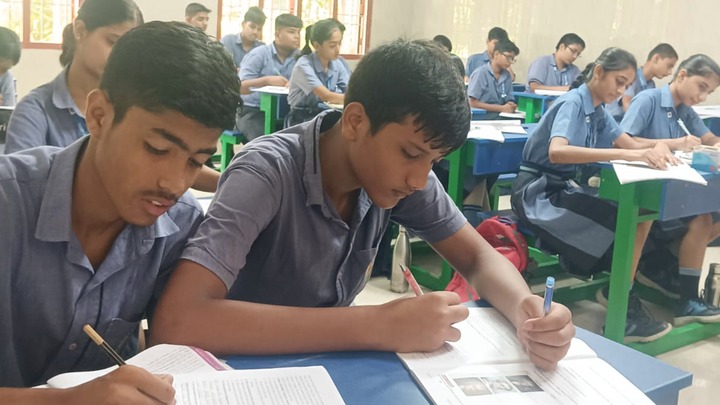
Every parent in Unnao knows the feeling. Your child is about to step into school for the first time, and suddenly you're comparing brochures, asking neighbours for opinions, and lying awake wondering whether you're making the right call.
It's a big decision, and it should be. The primary years, roughly Nursery to Class 5, are when children form their first real ideas about learning. They decide whether school is a place of curiosity or a place of fear. That's why searching for the top CBSE schools in Unnao is really about finding a place that builds a solid foundation, not just one with a good name.
Let's walk through what matters, what to look for, and how The LPS approaches primary education.
Why the Primary Years Matter So Much
Think of a house. Nobody admires the foundation, but everything above it depends on it.
In the early years, children develop their reading habits, number sense, confidence in speaking, and ability to work with others. A child who feels safe and encouraged at age six is far more likely to take academic risks at sixteen. A child who is scolded, compared, or rushed may quietly stop trying.
This is where the CBSE curriculum helps. Its structure is clear and consistent, it aligns well with national competitive exams later on, and it's widely accepted if your family relocates. But the board alone doesn't make a school good. What matters is how the curriculum is delivered in a real classroom, by real teachers, to real six-year-olds.
What Makes a CBSE School Truly "Top" at the Primary Level?
Rankings and glossy advertisements only tell you so much. Here's what actually counts.
1. Teachers who understand young children.
Teaching a five-year-old is a different skill from teaching a fifteen-year-old. The best primary teachers are patient and playful, and they notice when a child is struggling long before a test result shows it. Ask how teachers are trained and how long they've been with the school.
2. Concept-based learning, not rote memorisation.
A child who can recite a table but doesn't understand what multiplication means hasn't really learned it. Look for schools that use activities, stories, objects, and real-life examples to explain ideas.
3. A strong focus on language and numeracy.
Reading fluency and number confidence are the twin pillars of primary education. Good schools give these plenty of time, along with a healthy balance of English, Hindi, and regional context.
4. Safe, clean, child-friendly spaces.
Bright classrooms, safe drinking water, clean washrooms, secure entry points, and supervised play areas are essentials. You should feel comfortable the moment you walk in.
5. Room for play, art, music, and sports.
Children learn through movement and creativity. A school that treats these as "extras" is missing something important about how young minds work.
6. Open communication with parents.
Regular updates, approachable staff, and honest feedback make a huge difference. You should never feel like you're the last to know how your child is doing.
How The LPS Builds a Strong Primary Foundation
At The LPS, the philosophy for young learners is simple: a child who feels understood learns better. The primary programme is designed around that idea.
Learning that feels like discovery. Instead of pushing children to memorise everything, classroom lessons lean on activities, storytelling, group work, and hands-on exploration. When a child builds, draws, or acts out an idea, it stays with them.
Attention to every child. No two children learn at the same pace. Teachers at The LPS keep an eye on individual progress, offering extra support where it's needed and fresh challenges where a child is ready to move ahead.
Language and confidence together. Reading, speaking, and expressing thoughts are encouraged from the very beginning. Show-and-tell sessions, class discussions, and small presentations help even shy children find their voice.
Values alongside academics. Kindness, discipline, punctuality, and respect are woven into everyday school life rather than taught only as lessons. These habits quietly shape who a child becomes.
A balanced routine. Alongside academics, children take part in sports, art, music, and celebrations that keep school lively and joyful. A happy child is an eager learner, and eager learners go far.
Questions to Ask Before You Choose
Whichever school you consider, a campus visit tells you more than any website. Here are a few things worth asking:
-
What is the teacher-to-student ratio in primary classes?
-
How do you help children who are slow to pick up reading or maths?
-
How often do parents get progress updates?
-
How much homework is given in the early classes?
-
What safety measures are in place on campus and during transport?
-
How do you handle a child who is anxious about school?
Pay attention not just to the answers but to how they're delivered. A school that welcomes questions is usually a school that cares.
A Small Tip From One Parent-Minded Voice to Another
Don't choose a school only because it's the biggest, oldest, or most talked-about in town. Visit at least two or three. Let your child see the classroom. Watch how staff speak to children in the corridors. Trust your instincts. If your child walks out smiling, that's a signal worth noticing.
Final Thoughts
Finding the top CBSE schools in Unnao for your child isn't about chasing the longest list of facilities. It's about finding a place where your child is known, encouraged, and challenged in the right measure. A strong primary foundation will carry them through every class that follows.
If you're looking for a school that puts children first and treats the early years with the care they deserve, The LPS would love to welcome you for a visit. Come see the classrooms, meet the teachers, and decide for yourself.
Frequently Asked Questions (FAQs)
1. Why should I choose a CBSE school for my child's primary education in Unnao?
CBSE offers a structured, nationally recognised curriculum that supports strong basics in language, maths, and science. It also makes future transfers easier and prepares children well for competitive exams later on.
2. At what age can my child join the primary section at The LPS?
Admission ages generally follow CBSE and state guidelines for each class. For the exact age criteria and current admission status, please contact The LPS directly or visit the campus.
3. How does The LPS make sure young children don't feel overloaded?
Learning in the early years is activity-based, with a healthy mix of academics, play, art, and physical activity. Homework is kept age-appropriate, so children have time to rest, play, and be children.
4. What should I look for when visiting a primary school campus?
Check for clean and safe classrooms, friendly staff, secure entry points, play areas, and how teachers interact with children. Ask questions about teaching methods, parent communication, and student support.
5. How can I book a visit or begin the admission process at The LPS?
You can contact the school office by phone, send an enquiry through the website, or walk in during school hours. The admissions team will guide you through the process and answer your questions.