Lianpack Paper Pulp Packaging: Comparing Biodegradability and Compostability Claims
Posted by Engine Optimization
222 views
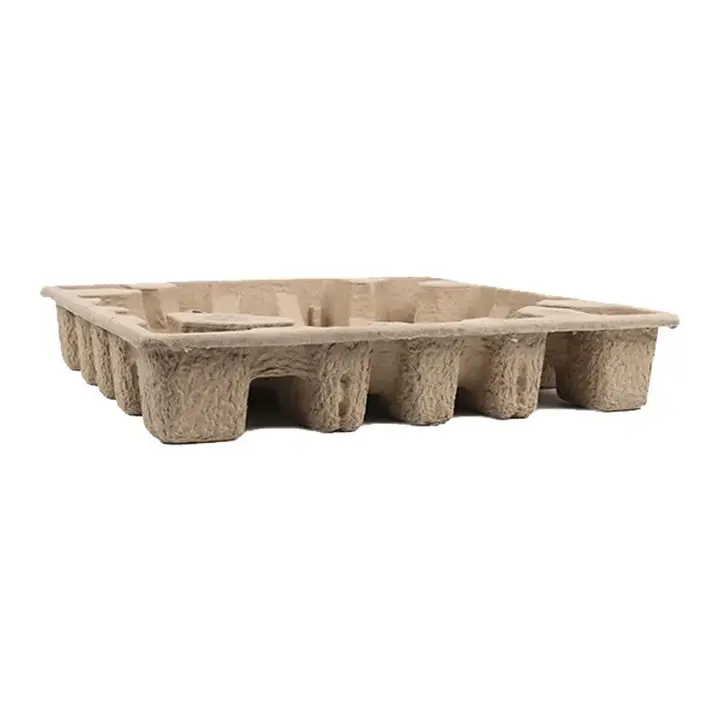
Packaging marketed as "eco-friendly" often carries terms like biodegradable and compostable interchangeably, even though these terms describe genuinely different properties. Understanding the distinction matters for brands trying to make accurate sustainability claims and for consumers trying to dispose of packaging correctly at the end of its life.
Defining Biodegradable Materials
Biodegradable simply means a material will eventually break down through natural biological processes, but this definition doesn't specify a timeframe or the conditions required. Some materials labeled biodegradable can still take years to decompose fully, and the breakdown process may not always occur in typical landfill conditions where oxygen and microbial activity are limited.
Defining Compostable Materials
Compostable is a more specific and demanding standard, requiring a material to break down within a defined timeframe under specific composting conditions, without leaving behind toxic residue. Properly certified paper pulp packaging typically meets compostability standards, breaking down into nutrient-rich organic matter rather than simply fragmenting into smaller pieces over an extended period.
Why Molded Pulp Generally Performs Well on Both Fronts
Molded pulp packaging made from recycled paper fiber generally satisfies both biodegradability and compostability criteria, since it's composed of natural cellulose fibers without synthetic additives that would prevent proper breakdown. This dual performance is part of why pulp packaging has become a preferred choice for brands seeking genuinely verifiable sustainability claims.
The Role of Coatings and Additives
Coatings added for moisture or grease resistance can sometimes complicate a product's biodegradability or compostability, depending on the specific materials used. Brands should ask manufacturers directly whether coated products maintain full compostability, since some coatings are designed specifically to preserve this property while others may not meet the same standard.
Verifying Claims Through Certification
Because biodegradability and compostability claims can be misused or exaggerated, third-party certifications provide a more reliable way to verify a product's actual environmental performance. Brands should look for recognized certification marks rather than relying solely on manufacturer claims, ensuring their own sustainability messaging holds up to closer scrutiny from customers and regulators alike.
Communicating These Differences to Customers
Clear communication about what "biodegradable" or "compostable" actually means helps customers dispose of packaging correctly and understand the genuine environmental benefit of their purchase. Brands that explain these distinctions transparently, rather than using the terms loosely, tend to build stronger trust with increasingly informed and skeptical consumers.
Making Informed Material Decisions
Understanding these distinctions allows brands to make more informed decisions when selecting packaging materials and manufacturing partners. Choosing verified compostable options over simply biodegradable ones often provides stronger, more defensible sustainability credentials, particularly as regulatory bodies increasingly scrutinize environmental marketing claims across the packaging industry.