The 7 Shawls Every Pakistani Woman Should Own for a Wardrobe That Never Goes Out of Style
Posted by lasbella lsabella
Filed in Other 390 views
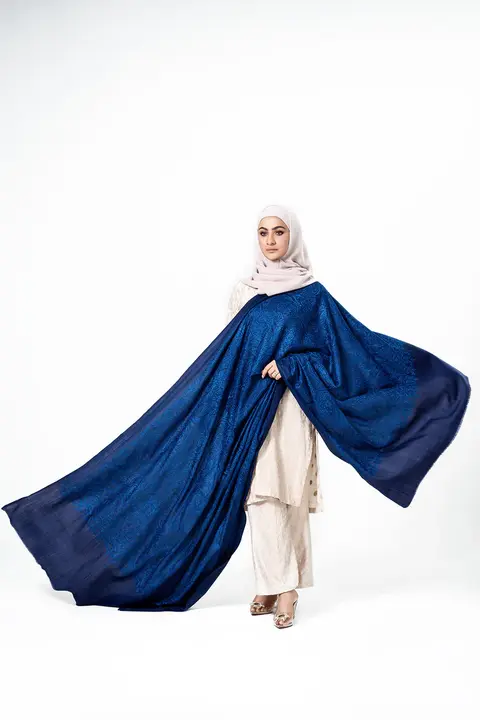
In Tabho Meghwar, a village in Tharparkar, shawl making is part of everyday family life.
A 2018 report by Dawn found that nearly all 150 households in the village were involved in weaving or embroidering shawls. Men and women handled different parts of the process. Children learned the skill from older family members. The finished shawls were sold across Pakistan and also sent abroad.
One local craftsman, Vishan Das Meghwar, explained that shawl making helped him feed his family throughout the year. It also reduced the need for his family to leave Thar during periods of drought.
His story shows why shawls have such a strong place in Pakistani life. A shawl is not only something worn in winter. It can carry family skill, regional identity, income, and years of patient work.
For the woman wearing it, a shawl is also one of the most useful items in the wardrobe. It can make a simple suit look complete. It can provide warmth at a wedding without covering the whole outfit. It can work for office days, family visits, travel, and formal events.
The goal is not to own a cupboard full of shawls. The goal is to own a small collection where every piece has a clear purpose.
Based on research into Pakistani weaving communities, winter fabrics, formal dressing, and daily wardrobe needs, these are the seven shawls that offer the most practical long-term value.
1. A Plain Wool Shawl for Everyday Winter Wear
A plain wool shawl is the base of a practical winter wardrobe.
This is the piece you can wear to work, university, school meetings, shopping trips, and family visits. It should provide steady warmth without feeling too heavy around the neck and shoulders.
Neutral colours are usually the safest choice. Black, camel, beige, grey, navy, and dark brown work with khaddar, linen, denim, and simple eastern wear. A darker shade is also easier to maintain if the shawl is worn several times a week.
Do not choose a wool shawl only because it feels thick. A thick shawl is not always warmer or better made. The quality of the weave matters more than bulk.
Hold the fabric up to the light. The weave should look even from one end to the other. Avoid shawls with thin areas near the middle or borders because these sections may weaken after regular use.
Also check the edges. A shawl with loose finishing may begin to fray after one season.
Read the material label whenever one is available. Some products sold under wool-related names contain blended fibres. A wool blend may still be a good everyday choice, especially if it feels soft and is easier to care for. The important thing is to know what you are buying.
A medium or large size is usually more useful than a narrow stole. It can cover both shoulders, wrap around the body, and provide better protection on colder days.
Best use: office days, university, errands, school runs, and regular winter wear.
A plain wool shawl may look simple, but it is often the piece that earns the most space in your wardrobe.
2. A Fine Pashmina-Style Shawl for Formal Evenings
A fine pashmina or pashmina-style shawl is useful when a heavy winter wrap feels too bulky.
It works well for formal dinners, engagement events, winter lunches, family gatherings, and evening visits. It can cover the shoulders without hiding the cut or embroidery of the outfit underneath.
The ideal formal shawl should feel light when folded and fall smoothly when worn. It should add warmth without creating too much volume around the upper body.
Cream, ivory, taupe, dusty pink, maroon, black, and deep green are practical shades. These colours pair well with silk, chiffon, velvet, organza, and embroidered eastern wear.
Buyers should be careful with the term “pashmina.” In the wider clothing market, the word is sometimes used loosely for soft shawls and fabric blends.
The product name alone does not prove that the shawl is made from pure pashmina fibre.
Ask the seller about the exact material. Check the label and care instructions, especially when the price is high.
For long-term use, choose a simple design. A fine border or light embroidery is easier to match with several outfits than a large pattern made for one dress.
Pay attention to jewellery as well. Fine fabric can catch on sharp earrings, decorative buttons, rings, and handbag chains.
Best use: formal dinners, engagement events, evening visits, and winter lunches.
The best formal shawl is one that looks polished but does not require constant adjustment.
3. An Embroidered Shawl for Weddings and Festive Events
Winter weddings are common in Pakistan, and they often create a familiar problem.
A woman may spend weeks choosing a formal outfit, then cover most of it with a coat that does not match.
An embroidered shawl offers a better solution.
It provides warmth while still looking like part of the outfit. Floral needlework, zari details, kingri borders, and hashia-style patterns can all work well with Pakistani formal clothing.
When browsing shawls for women, choose a colour that works with at least three outfits you already own. This simple rule reduces one-event purchases.
Beige, ivory, black, muted gold, maroon, and deep green are usually easier to reuse than very bright shades.
The amount of embroidery should match the occasion. Light threadwork can suit a nikkah, dinner, or family function. Richer zari work may be more suitable for a baraat or reception.
Check both sides of the shawl before buying. The front may look polished while the back contains loose knots or unfinished threads. These can catch on bangles, sequins, earrings, and rings.
Dense embroidery also adds weight. If one end feels much heavier than the other, the shawl may keep slipping during a long event.
Best use: weddings, nikkahs, receptions, festive dinners, and family celebrations.
A good wedding shawl should support the outfit. It should not compete with the dress for attention.
4. A Velvet Shawl for Cold Winter Weddings
Velvet has a natural place in Pakistani winter fashion because it looks rich and provides more structure than lighter fabrics.
A velvet shawl works well for December and January weddings, outdoor receptions, engagement dinners, and evening family events.
It pairs well with jamawar, raw silk, organza, chiffon, and velvet outfits.
Deep shades usually look strongest in this fabric. Black, bottle green, navy, maroon, plum, rust, and chocolate brown can stay useful for many years.
The main concern with velvet is weight.
A piece may look beautiful when folded but feel uncomfortable after an hour. Before buying, place it over both shoulders. Walk, sit, and stand while wearing it. Notice whether it pulls backwards or places pressure on the neck.
Look at the surface from different angles. Velvet reflects light according to the direction of the pile. The surface should look even rather than patchy or crushed.
Avoid too many stones, beads, or metal details. These decorations add weight and can catch on delicate sleeves. They may also make cleaning harder.
A high-quality velvet shawl should look rich because of its texture, not because it is covered in decoration.
Best use: winter weddings, outdoor receptions, engagement nights, and formal dinners.
One carefully chosen velvet shawl can serve you for several wedding seasons.
5. A Toosh-Style or Soft Wool Blend for Smart Casual Wear
Not every occasion is fully casual or formal.
There are office lunches, school events, family dinners, daytime gatherings, and travel days when a plain wool shawl feels too simple but a heavily embroidered piece feels excessive.
A Toosh-style shawl or soft wool blend works well in this middle space.
In Pakistan, “Toosh” is often used as a market term for soft shawls with an easy drape. The exact fibre content can differ from one seller to another.
Some pieces may contain wool. Others may use blended fibres.
This is why buyers should focus on the material details instead of relying only on the product name.
Choose a medium-weight shawl that folds easily and sits close to the body. It should feel comfortable indoors and outdoors.
Charcoal, olive, mocha, burgundy, navy, and dusty rose are practical shades. Small woven patterns and narrow borders are usually easier to style than large prints.
This shawl is especially useful for women who move between different settings during the day. It can look polished in an office and still feel relaxed enough for lunch or shopping.
Best use: office meetings, lunches, school events, travel days, and casual evenings.
Its strength is not heavy warmth or formal detail. Its strength is flexibility.
6. A Traditional Handwoven Shawl With a Known Origin
At least one shawl in a Pakistani wardrobe should have a clear connection to local craft.
It may come from Swat, Tharparkar, Kashmir, Sindh, or another area known for weaving and embroidery.
What matters is that the buyer understands where the shawl came from and how it was made.
A 2019 report by Arab News on Islampur in Swat found that around 70 percent of local residents depended on weaving for their livelihood. The village had about 4,000 looms.
According to the local cottage industry association quoted in the report, each loom produced around three pieces of cloth a day.
The same report shared the story of two daughters of a loom owner who earned enough through weaving to cover half of their wedding expenses.
These figures are historical and should not be treated as current market data. They still show how closely shawl production has been connected with household income, family skill, and financial independence.
When buying a traditional shawl, ask where it was produced.
Find out whether it is handwoven, hand-embroidered, machine woven, or machine finished. These terms describe different methods and should not be used as though they mean the same thing.
A handwoven shawl may contain small changes in thread tension, pattern, or border placement. These differences are not always defects. They may show that the piece was made by hand.
A traditional shawl carries value through its origin, skill, and story, not only through its appearance.
Best use: cultural events, family gifts, formal winter wear, and long-term wardrobe value.
A well-chosen handwoven shawl can become a family keepsake rather than a short-term fashion purchase.
7. A Lightweight Shawl for Travel and Changing Weather
Pakistan does not have one kind of winter.
Karachi may have cool evenings without severe cold. Islamabad can become colder after sunset. A journey towards Murree, Swat, Azad Kashmir, or Gilgit-Baltistan may bring major changes in temperature during the same day.
A lightweight shawl helps you manage these changes.
It should fold easily into a handbag, tote, or cabin bag. It should also work with both eastern and western clothing.
Fine wool, light wool blends, soft woven fabrics, and viscose blends can all be practical options. The right material depends on the season and destination.
A wider shawl is often more useful than a narrow stole. It can cover the arms, shoulders, and head when needed. It may also work as a light blanket during a flight or long road journey.
Choose a medium or dark shade that does not show marks easily.
Avoid large beads, loose tassels, and sharp decorative details. They can catch on luggage, zips, handbag chains, and seat belts.
Best use: flights, road trips, changing weather, cool evenings, and everyday travel.
A travel shawl should be easy to carry and easy to maintain. Its real value appears when weather and plans change.
Quick Comparison of the Seven Essential Shawls
|
Shawl type |
Best use |
Warmth |
Weight |
Main buying check |
|
Plain wool |
Everyday winter wear |
High |
Medium |
Even weave and secure borders |
|
Pashmina-style |
Formal evenings |
Medium |
Light |
Exact fibre content |
|
Embroidered |
Weddings and festive events |
Medium |
Medium |
Back of embroidery and balance |
|
Velvet |
Cold formal events |
High |
Heavy |
Even pile and manageable weight |
|
Toosh-style blend |
Smart casual wear |
Medium |
Medium |
Material details and drape |
|
Handwoven |
Cultural and long-term wear |
Varies |
Varies |
Origin and production method |
|
Lightweight travel shawl |
Travel and changing weather |
Light |
Light |
Packability and easy care |
How to Judge Quality Before Buying
Quality is not determined by price, decoration, or a fashionable material name alone.
Begin with the fabric. It should feel consistent from one end to the other. Check whether the weave becomes thin near the borders.
Next, examine the finishing. Edges should be secure. Embroidery should not have loose threads. Tassels should be attached evenly if the shawl includes them.
Then test the drape. Place the shawl over your normal clothes. A beautiful fabric may still be unsuitable if it keeps slipping or feels too heavy.
Ask practical questions before paying.
What is the fibre content? How should the shawl be cleaned? Was it handwoven or machine made? Where was it produced?
A reliable seller should be able to answer these questions clearly.
Choose a shawl based on material, purpose, comfort, and repeat use, not only colour or decoration.
How to Keep Shawls Looking Good for Years
A timeless wardrobe depends on care as much as buying.
Heavy wool and velvet shawls should be folded instead of being left on narrow hangers for long periods. Their weight can pull the fabric out of shape.
Shawls should be stored clean and completely dry. Moisture can create odour and may damage natural fibres.
Keep embroidered pieces away from sharp jewellery and metal handbag chains. Even a small pull can disturb detailed threadwork.
Always follow the care label. Pure wool, velvet, and fine embroidery may require professional cleaning.
Washing a delicate shawl at home without checking the instructions can cause shrinking, colour bleeding, or changes in texture.
Air stored shawls before winter begins. This gives you a chance to check for moisture, dust, or damage before wearing them again.
Good care can extend the life of a shawl far more than frequent replacement.
Build a Shawl Wardrobe That Works for Real Life
A wardrobe that never goes out of style is not built by buying more. It is built by choosing better.
A plain wool shawl handles everyday winter wear. A fine pashmina-style piece works for formal evenings. An embroidered shawl suits Pakistani weddings, while velvet provides warmth and structure during colder events.
A Toosh-style or soft wool blend covers smart casual dressing. A traditional handwoven shawl keeps local craft connected to everyday life. A lightweight travel shawl prepares you for changing weather.
Together, these seven pieces can cover office days, family visits, weddings, dinners, winter mornings, and road trips.
The most useful question to ask before buying is not, “Is this shawl fashionable?”
Ask:
“What job will this shawl do in my wardrobe?”
When every piece has a clear purpose, the collection feels complete without becoming crowded.
That is what makes a shawl wardrobe practical, personal, and timeless.