Laser Safety Protecting People and Workplaces
Posted by Laser Protect Jul 14
Filed in Business 196 views
Laser technology has become an integral part of modern industries, from manufacturing and healthcare to research, telecommunications, and education. Its ability to deliver precision and efficiency has transformed countless applications, but it also introduces hazards that cannot be overlooked. This is why laser safety is an essential consideration for every organization that operates laser equipment. A strong understanding of laser hazards and safe working practices helps protect employees, maintain productivity, and reduce the likelihood of workplace incidents.
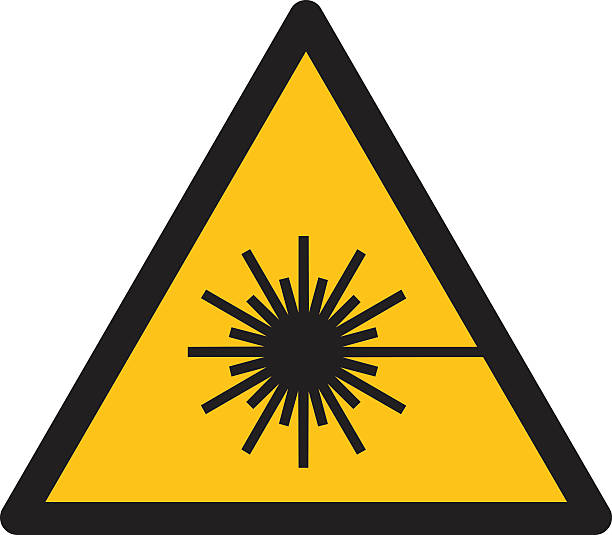
Every laser system presents a level of risk based on its power, wavelength, and intended use. While many systems are designed with built-in safety features, improper operation, maintenance, or accidental exposure can still lead to serious injuries. Implementing effective laser safety measures ensures that workers can perform their tasks confidently while minimizing unnecessary risks.
Why Laser Safety Is Important
The primary objective of laser safety is to protect individuals from the harmful effects of laser radiation. Even a brief exposure to a high-powered laser beam can result in permanent eye damage or skin injuries. In some industrial applications, lasers may also generate additional hazards such as smoke, airborne particles, electrical risks, or fire hazards.
These risks make it essential for organizations to establish clear safety procedures rather than relying solely on equipment safeguards. Employees who understand how laser systems operate are far more likely to recognize potential dangers and respond appropriately before an incident occurs.
Understanding Laser Risks
Not every laser presents the same level of danger. Different laser classifications indicate varying levels of potential risk, and the safety measures required depend on the specific equipment being used. Factors such as beam intensity, exposure time, reflection, and working distance all influence the level of protection needed.
A comprehensive understanding of these factors allows workers to identify hazardous situations and apply the correct preventive measures. This knowledge forms the foundation of an effective laser safety program.
The Role of Laser Safety Training
One of the most effective ways to improve laser safety is through professional training. Employees who receive structured instruction gain both theoretical knowledge and practical skills that enable them to work safely with laser equipment.
Training generally covers the principles of laser operation, hazard identification, safe operating procedures, emergency response, maintenance precautions, and the correct use of protective equipment. Rather than simply explaining rules, quality training helps employees understand why each safety measure is necessary.
As technology continues to evolve, regular refresher sessions are equally valuable. They ensure that workers remain familiar with current safety practices and can adapt to new equipment or workplace procedures.
Creating a Safer Workplace
Laser safety should be integrated into everyday workplace operations instead of being treated as a separate responsibility. Organizations benefit from establishing clear operating procedures, restricting access to laser-controlled areas, and ensuring that warning signs are visible wherever laser systems are in use.
Routine inspections and preventive maintenance also contribute to safer operations. Safety features should be checked regularly to confirm that they function correctly and continue to provide the intended level of protection. Any damaged or malfunctioning equipment should be repaired before it is returned to service.
Personal protective equipment plays an equally important role. Protective eyewear must be selected according to the specific characteristics of the laser being used, ensuring adequate protection without affecting the worker's ability to perform their tasks safely.
Building a Strong Safety Culture
Effective laser safety depends on more than written procedures. It requires a workplace culture where safety is valued by everyone, from management to equipment operators. Employees should be encouraged to report potential hazards, ask questions, and follow established procedures consistently.
Managers can reinforce this culture by supporting ongoing education and demonstrating their commitment to workplace safety. When employees see that safety is treated as a priority, they are more likely to adopt safe behaviors in their daily work.
Continuous communication is another important factor. Regular discussions about workplace risks, updated procedures, and lessons learned from previous incidents help keep laser safety at the forefront of daily operations.
Long-Term Benefits of Laser Safety
Investing in laser safety provides significant advantages beyond reducing workplace accidents. Well-trained employees are more confident, equipment is used more efficiently, and organizations experience fewer disruptions caused by preventable incidents. A proactive approach also supports regulatory compliance, protects valuable equipment, and enhances the organization's professional reputation.
As laser technology continues to expand into new industries and applications, maintaining high safety standards becomes increasingly important. Organizations that prioritize education, risk assessment, and preventive measures create safer environments while improving operational performance.
Conclusion
Laser systems offer remarkable precision and efficiency, but they must always be used responsibly. A comprehensive approach to laser safety combines proper training, clear workplace procedures, suitable protective equipment, and continuous awareness. Together, these elements help reduce risks and create a safer environment for everyone working with or around laser equipment.
By making laser safety an integral part of everyday operations, organizations protect their employees, improve productivity, and ensure that laser technology can be used safely and effectively for years to come.