So You Know What a PTAC Is. Here's Why VTAC Units Deserve a Second Look
Posted by NorthStock Inc
Filed in Business 267 views
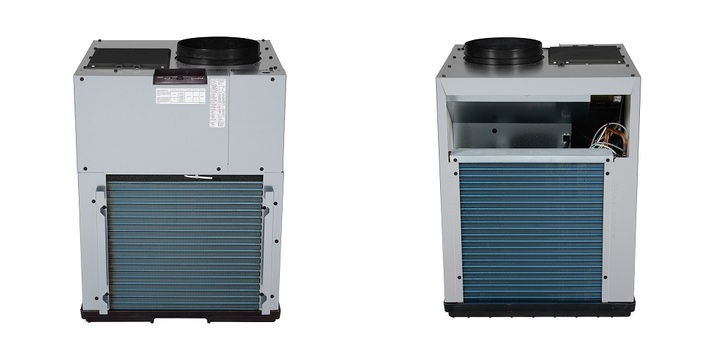
Most buyers researching commercial climate control hit a crossroads after a while: PTAC or VTAC? Both handle room-by-room heating and cooling. Both are self-contained, which keeps installation and maintenance simpler than central air. But VTAC units tend to get less page time in the comparison conversation, and that gap is worth closing before anyone signs a purchase order.
The distinction isn't about which system is better in some universal sense. It's about fit. PTAC units require a wall sleeve and exterior access, mounted directly through the exterior wall of the room they're serving. VTAC units install vertically inside a closet or cabinet, keeping the equipment completely out of the occupied space — which changes the math on where they can go and what the finished room looks like.
VTAC Units vs PTAC: The Detail Most Guides Skip
What most guides don't spend enough time on is the install location. PTAC units go through the exterior wall of the room itself — the sleeve, the housing, the visible panel, all of it right there in the guest room or office. VTAC units go into a closet or utility space instead. The vertical terminal air conditioner benefits from this placement in ways that show up immediately in hospitality and managed care: the equipment lives behind a door, and the finished room looks like no HVAC was involved at all. For older buildings, historical properties, and multi-tenant spaces where permitting or ownership constraints make modifications to the occupied room wall complicated, a closet-based system tends to be easier to work with. That's often what moves a project forward instead of stalling it.
There's also aesthetics. Installed VTAC units tuck away completely in a closet or utility cabinet, where your guests and clients never see them. PTAC units sit visible on the wall, that front panel just there in the room. For hospitality brands spending real money on interior design, that exposed equipment can undercut everything else in the space. Closet installation solves it cleanly.
Where Commercial VTAC Units Actually Win
Hospitality HVAC solutions keep coming back to VTAC for this reason. Hotels, boutique properties, and extended-stay facilities benefit from the hidden profile without losing any climate control capability. Multi-family HVAC systems in apartment complexes and condos are another strong fit, since residents generally don't want visible equipment taking up wall space in their living areas.
Medical clinics, senior living facilities, and mid-rise office buildings are common use cases too. Commercial VTAC units work especially well in hallway closets or utility spaces adjacent to patient rooms or guest rooms, keeping the system fully accessible for maintenance without it ever entering the occupied space. The configuration also makes it easier to run separate thermostatic controls for adjoining rooms off the same unit, which matters in managed care settings or properties with varied occupancy patterns.
The flexibility to serve one room or multiple rooms from a single unit affects real costs. A unit running two adjacent spaces reduces the total number of units a property needs, which cuts both upfront spend and the maintenance load over time.
What Installing VTAC Units Actually Involves
Installation isn't complicated, but it does require the right closet or utility space to be part of your building plan. The unit needs vertical clearance, access for service, and proper ducting to the target rooms. Getting that right from the start is what separates a clean install from one that creates problems down the line. Reviewing a VTAC unit installation guide or working with a contractor who knows vertical systems before finalizing your layout saves real time and money.
Once installed, energy-efficient VTAC models run consistently without the wall-mounted visibility of PTAC. For noise-sensitive environments where guests or patients notice everything, facilities that need quiet HVAC units get meaningful value from VTAC. The mechanical components sit inside a closed cabinet rather than exposed in the room itself. The performance is there. The unit just isn't.
Buyers ready to compare specific models and capacities can browse VTAC units at NorthStock, where the catalog covers configurations suited for hospitality, multi-family, and medical applications.
For More Information About Construction Heater and Oil Heater Please Visit: NorthStock Inc.