What to Consider When Sourcing Industrial Ventilation Fans for Your Workspace
Posted by NorthStock Inc
Filed in Music 234 views
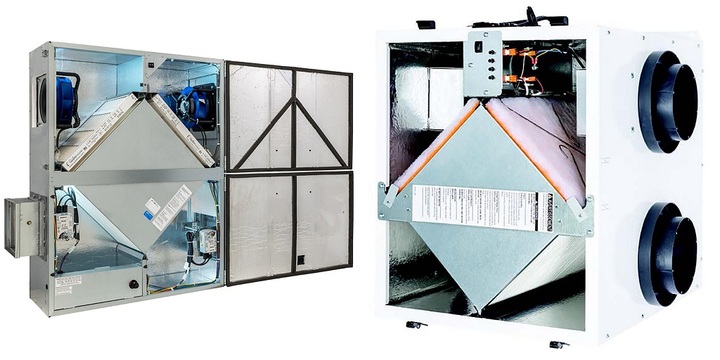
Industrial ventilation fans do far more than just move air around. They protect employees from fumes and airborne contaminants, hold temperatures steady across the seasons, and keep humidity and heat from undermining productivity. But not every fan suits every facility, and a mismatched unit can leave dead zones, waste energy, or fail early under heavy use. Before you source industrial ventilation fans for your space, weigh the factors below to make sure the equipment you buy actually performs.
Start With the Airflow Your Space Needs
Airflow is the foundation of any ventilation decision. Fans are rated in cubic feet per minute (CFM), and the right target depends on your room's volume and how many air changes per hour your application demands. For instance, a welding shop or kitchen needs far more turnover than a storage area.
Don't overlook static pressure, either. Ductwork, filters, louvers, and long runs all add resistance, so a fan that hits its rated CFM in open air may fall short once it's installed. Calculate for the real conditions, not the ideal ones.
Match the Fan Type to the Installation
The best fan for the job depends heavily on where and how it mounts. Installation limits often make the choice for you: tight or obstructed ceilings may push you toward wall fans instead of ceiling-mounted units, while large warehouses frequently rely on roof fans and ceiling exhaust fans to clear air across wide areas. Inline duct fans work well inside existing ductwork, utility blowers handle spot exhaust of fumes and gases, and air circulators keep air moving in smaller rooms. Map your layout before you shop.
Prioritize Motor Quality and Durability
Industrial fans often run for hours at a stretch, so look for continuous-duty motors built for that kind of workload rather than intermittent-use models. Just as important is matching the fan's construction to its environment. Moisture, corrosive chemicals, grease, and airborne dust all shorten the life of the wrong materials, so consider corrosion-resistant housings and sealed components where conditions warrant. Facilities handling flammable vapors or dust may require explosion-proof or spark-resistant fans to meet safety requirements. Getting durability right upfront saves you from premature replacements later.
Factor in Efficiency, Noise, and Compliance
Energy costs add up quickly when fans run around the clock, so compare efficiency ratings and consider models compatible with variable frequency drives that let you dial airflow to demand. Noise matters too, especially in occupied workspaces, so check sound ratings before committing.
Finally, confirm the equipment aligns with local building codes and workplace safety standards for your industry. A fan that moves plenty of air but violates code isn't a solution.
Vet the Supplier, Not Just the Fan
Even the right fan is only as good as your ability to get it, install it, and keep it running. When ventilation equipment fails, downtime is costly, so lead time and stock availability deserve as much attention as specs. Look for suppliers who publish clear lead times, offer manuals and product literature, and carry trusted brands so you can compare options confidently. Reliable shipping and responsive support turn an urgent repair into a manageable one.
Source Your Industrial Ventilation Fans With Confidence
Choosing the right ventilation equipment comes down to understanding your space, your workload, and your safety needs, then partnering with a supplier who can deliver. NorthStock carries a deep selection of industrial ventilation fans and systems from brands like Soler & Palau, Canarm, and Triangle Fans, complete with specs, manuals, and fast shipping. Contact them today to find the right fan for your facility.
For More Information About Electric Cabinet Heater and Portable Commercial Ac Please Visit: NorthStock Inc.