The Checklist Facilities Managers Use Before Ordering PTAC Units
Posted by NorthStock Inc
227 views
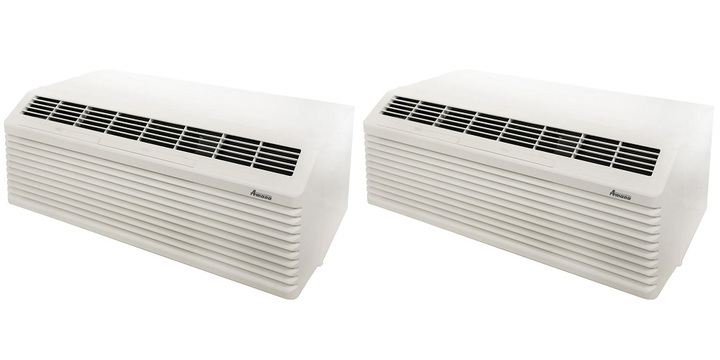
Facilities managers who've been through a commercial HVAC procurement cycle before don't start with a brand name. They start with a list. Ordering PTAC units for a multi-room property involves more variables than most buyers expect, and the teams that get it right aren't necessarily the ones with the biggest budget. They're the ones who mapped out the requirements before anything got ordered.
Here's what that process actually looks like.
Does Your Floor Plan Know Which PTAC Units You Need?
Room square footage is the obvious starting point, but experienced procurement teams go further. They factor in ceiling height, which affects how hard a unit has to work to condition a space. They account for sun exposure and glass area, since a south-facing hotel room with floor-to-ceiling windows requires more cooling capacity than a shaded interior room of the same size. Occupancy heat load matters too, and so does the local climate. Getting the BTU count right from the start means the unit runs at a normal duty cycle rather than having to push hard to keep up.
Before any PTAC units get ordered, the procurement team needs to confirm sleeve dimensions. Through-the-wall AC units are sleeve-dependent: the unit must fit the wall opening precisely, and the opening must match the unit's width and depth. For replacement projects, pulling the existing sleeve specs first saves significant headaches. For new construction, that measurement needs to be locked in before the wall goes up, not after. Any solid PTAC unit installation guide covers this point early, because the sleeve is where most installation surprises originate.
Electrical is the other variable that trips up first-timers. Most commercial PTAC units run on 208/230V, but amperage draw varies by BTU capacity. Confirming the circuit capacity before placing an order prevents discovering the mismatch on installation day, which is a more expensive problem than it sounds.
The PTAC Unit Spec That Affects Every Utility Bill You'll Pay
The heating configuration decision has the greatest long-term cost impact, and it is often made too quickly. Heat pumps pull heat from outside air rather than generating it electrically from scratch, which makes them meaningfully more efficient in moderate climates. PTAC unit efficiency ratings for heat pump models typically run 30 to 40 percent higher than comparable electric resistance units under the right conditions. In climates that see sustained temperatures below about 20 degrees Fahrenheit, heat pumps alone don't hold up, and electric resistance models or units with electric backup become the practical choice.
Hotel PTAC units in warmer regions operate as heat-pump models far more often than electric-resistance ones. Assisted living facilities and multi-family properties follow similar logic. Both Amana and GE offer heat pump and electric resistance configurations across their commercial lines, so the choice comes down to climate zone and operating cost priorities rather than which brand is on the box.
Why Smart Teams Order PTAC Unit Maintenance Parts Before Installation Day
One habit that separates experienced facilities teams from first-timers: they don't treat the unit order and the parts order as two separate decisions. Motors, fan wheels, thermostats, and front covers are all items that will eventually need to be replaced. Sourcing PTAC unit spare parts from the same distributor at the same time avoids compatibility confusion later and keeps procurement straightforward.
For properties managing 20, 50, or 100-plus rooms, even a modest on-site parts inventory pays for itself the first time a unit goes down mid-season. Units that get filter changes and seasonal inspections reliably outlast those that don't, often by several years, and the difference in replacement cycles shows up clearly in a 10-year budget.
Facilities managers who treat procurement as a spec exercise first tend to end up with equipment that performs closer to design and holds up longer under real conditions. Those looking to buy PTAC units online from a distributor that stocks both Amana and GE replacement parts can explore the full selection at NorthStock.
--------------------------------------------------------
For more information about Vtac Units and Portable Commercial Ac Please visit: NorthStock Inc.