How Long Should PTAC Units Last Before You Replace Them?
Posted by NorthStock Inc
204 views
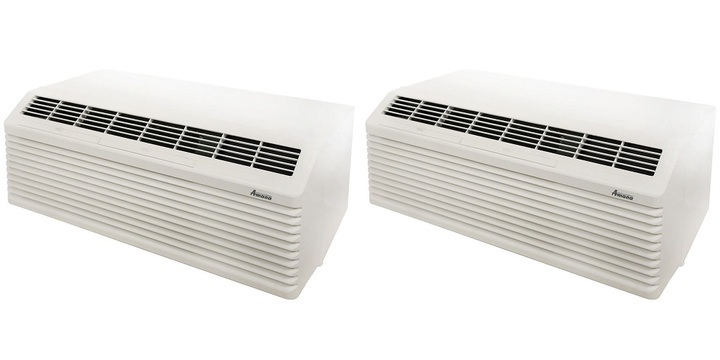
The average commercial lifespan for PTAC units is somewhere between 8 and 15 years. That range doesn't help much when you're looking at a repair quote on a nine-year-old unit and trying to decide whether it's worth approving. Most property managers make this call on instinct. That's how units stay in rotation long past the point where they should have been pulled, and repair costs keep compounding in the background. Nobody steps back to evaluate the pattern, and that's where the real expense hides.
There's a financial and operational framework that makes this decision cleaner, and it relies on three factors that rarely show up on a single repair invoice.
What the 50% Rule Gets Wrong About PTAC Units
The most common benchmark is the 50% rule: if a repair costs half the price of a replacement unit, replace it. That's a reasonable starting point, but it doesn't account for frequency. PTAC unit maintenance costs on older equipment stack up. A compressor replacement one year, a refrigerant leak the next, a fan motor the year after. Each repair looks manageable in isolation, but three service calls in 18 months tells a different story than the invoice for any single one of them.
These older PTAC units are also costing more to run every month. A packaged terminal air conditioner installed ten years ago typically draws significantly more power than a current energy-efficient PTAC model built to meet today's efficiency standards. That ongoing energy gap doesn't appear on a repair bill, but it adds real cost every month the unit stays in service. When you're calculating true cost, energy performance alongside repair spend changes the numbers considerably.
What Happens When Your PTAC Units Fall Off the Parts List
Parts availability is what catches a lot of properties off guard. Manufacturers discontinue components for older models, sometimes with little notice, and repair options shrink to whatever's left in the secondary market. For hotel PTAC systems especially, this creates a compounding problem. Hotels that installed a full fleet during construction or a major renovation often find that those PTAC units get discontinued right around the time the fleet needs the most attention.
When that happens with a model you're still actively repairing, the best PTAC brands are the ones that tend to keep parts available the longest. Every manufacturer still has a cutoff. Before approving another repair on an older unit, check whether components for that specific model are still in regular supply. If sourcing has already become difficult, the repair quote on your desk today might be one of the last ones you can actually complete. At that point, parts availability makes the decision for you.
Fleet-Wide or Piecemeal: Making the Right Call on Your PTAC Units
Piecemeal replacement looks cheaper because the line items are smaller. But properties that replace units one at a time often end up managing a permanent mix of aging equipment at different stages, with different maintenance histories and inconsistent performance across rooms or floors. The overhead compounds every year you add another one-off repair to a unit that's already behind. Technicians spend more time diagnosing units with different service histories, and ordering parts for five or six different models gets complicated fast.
Fleet-wide replacement resets the maintenance clock across the board. Consistent PTAC unit installation requirements across an entire property take a lot of complexity out of future servicing, and buying the same models in volume almost always brings better pricing on commercial PTAC units. If a significant portion of your fleet has passed the 10-year mark, running a cost comparison of projected repairs over the next three years versus full replacement now usually clarifies the decision faster than any rule of thumb.
For property managers ready to buy PTAC units for a full fleet replacement or a phased rollout, NorthStock carries a broad selection of commercial units with options across performance tiers and brands.
For more information about Modine Unit Heaters and Hydronic Heater Please visit: NorthStock Inc.