Best IVF Centre in India: Stop Smoking for IVF Success
Posted by DR Aravind IVF
Filed in Health 183 views
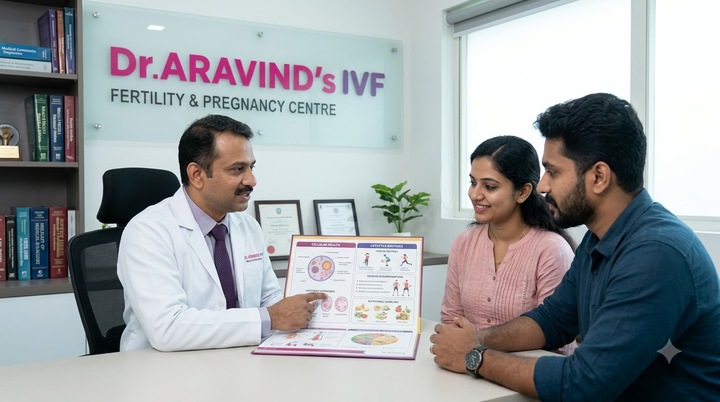
Smoking is often discussed in relation to lung and heart health, but its effects can extend to reproductive health as well. Tobacco smoke exposes the body to numerous chemicals that may affect sperm, eggs, hormones, blood circulation, and overall reproductive function.
For couples preparing for fertility treatment, stopping smoking can be an important lifestyle step. When considering a Best IVF Centre in India, it is useful to look at the health of both partners rather than focusing only on the woman's treatment plan.
How Can Smoking Affect Fertility?
Tobacco smoke contains chemicals that can contribute to oxidative stress and cellular damage.
In women, smoking has been associated with effects on ovarian function and reproductive health. It may also affect the reproductive environment needed for conception and pregnancy.
In men, smoking may be associated with changes in:
-
Sperm concentration
-
Sperm movement
-
Sperm shape
-
Sperm DNA integrity
-
Overall reproductive function
These effects can vary between individuals, and smoking does not mean that pregnancy or IVF will necessarily be unsuccessful.
However, avoiding tobacco removes an important potentially harmful exposure.
What Happens to Sperm?
Sperm are particularly sensitive to environmental and lifestyle influences because they are continuously produced.
Smoking can increase oxidative stress, which may affect sperm cells and their DNA.
Some men who smoke may have reduced sperm concentration or motility, while others may show relatively normal semen-analysis results.
This is why symptoms alone cannot tell you whether smoking has affected sperm health.
A semen analysis can provide useful information about sperm concentration, movement, and morphology when clinically indicated.
Can Smoking Affect Female Reproductive Health?
Yes.
Smoking has been linked with reduced ovarian function and may contribute to earlier reproductive ageing.
The chemicals in tobacco smoke can also affect blood vessels and tissue oxygenation, which are important considerations during reproductive processes.
For women undergoing fertility treatment, doctors may therefore encourage smoking cessation as part of pre-treatment health preparation.
Stopping smoking cannot reverse every age-related fertility change, but it can remove continued exposure to tobacco-related toxins.
Does Secondhand Smoke Matter?
Direct smoking is not the only concern.
Regular exposure to tobacco smoke from other people can also increase exposure to harmful chemicals.
For couples preparing for pregnancy or IVF, creating a smoke-free home and living environment can support healthier habits for both partners.
If one partner smokes, quitting together or supporting the smoker through cessation can make the process easier.
What About Vaping?
Vaping is sometimes considered a safer alternative to cigarettes, but that does not mean it is harmless for reproductive health.
Many vaping products contain nicotine, and the long-term reproductive effects of different vaping substances are still being studied.
If you are preparing for conception or fertility treatment, discuss nicotine use—including vaping—with your healthcare professional rather than assuming it is a risk-free substitute.
How Long Before IVF Should You Stop?
There is no single number of days or weeks that guarantees improved IVF outcomes after quitting.
Stopping as early as possible is generally more useful than waiting until immediately before treatment.
The body begins recovering after tobacco exposure is stopped, but reproductive changes can take time.
Sperm production also occurs over a period of weeks, so quitting well before fertility treatment gives the body more opportunity to benefit from the change.
For women, stopping earlier can also support broader health before pregnancy.
Can Quitting Improve IVF Outcomes?
Quitting smoking may support reproductive health, but it cannot guarantee a successful IVF cycle.
IVF outcomes are influenced by many factors, including age, ovarian reserve, egg quality, sperm quality, embryo development, uterine health, and the underlying cause of infertility.
That is why an IVF Success rate should never be interpreted as a promise for an individual patient.
When comparing clinics, ask how outcomes are reported and whether figures are presented according to factors such as age and treatment type.
What If Quitting Feels Difficult?
Nicotine dependence can make stopping challenging.
Some people quit suddenly, while others benefit from structured support.
Useful steps may include:
-
Setting a clear quit date
-
Identifying smoking triggers
-
Avoiding situations associated with smoking
-
Seeking professional cessation support
-
Informing family members or close friends
-
Developing alternative routines for stressful moments
If nicotine replacement or medication is being considered, discuss it with a healthcare professional, particularly when pregnancy is being planned.
Can Lifestyle Changes Help Alongside Quitting?
Yes.
Stopping smoking works best as part of broader health preparation.
Both partners can focus on:
-
Regular physical activity
-
Balanced nutrition
-
Adequate sleep
-
Healthy weight management
-
Limiting alcohol
-
Managing chronic medical conditions
-
Following fertility treatment instructions
These habits do not guarantee pregnancy, but they can support general health during the fertility journey.
When Should Fertility Assessment Begin?
If pregnancy has not occurred despite regular attempts, or if there are known reproductive concerns, both partners may benefit from evaluation.
A Best fertility Doctor in Calicut can assess the relevant medical history and determine whether investigations such as semen analysis, hormone testing, ultrasound, or ovarian-reserve assessment may be appropriate.
Evaluating both partners is important because fertility difficulties can involve male factors, female factors, combined factors, or unexplained causes.
Is Smoking the Only Factor That Matters?
No.
Quitting tobacco is valuable, but it is only one part of reproductive health.
Age, medical conditions, medications, alcohol intake, body weight, nutrition, sleep, environmental exposures, and genetic factors can also influence fertility.
A personalized assessment is therefore more useful than focusing on a single lifestyle factor.
Conclusion
Smoking can affect reproductive health in both men and women and may influence sperm quality, ovarian function, and other factors relevant to conception and fertility treatment. Stopping smoking as early as possible is a sensible step when preparing for pregnancy or IVF, although quitting cannot guarantee treatment success.
If you are planning fertility treatment or finding it difficult to stop smoking, Book an appointment with a qualified fertility or healthcare professional for personalized guidance on smoking cessation and pre-treatment reproductive health.