Pumpkin Seed Tea: Preparation, Benefits, Dosage, and Safety Tips
Posted by SAHIL Singh
Filed in Health 31 views
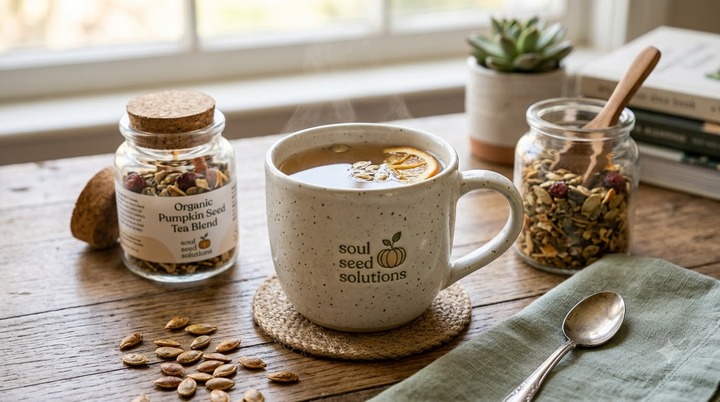
Looking for a straightforward, caffeine-free brew that’s soothing, nutty, and easy to make from pantry staples? Many people reach for pumpkin seed tea to support hydration, wind down at night, or pair with a urinary comfort routine. It’s simple, adaptable, and budget-friendly—especially if you already cook with pumpkin or keep pepitas on hand.
If you prefer ready-to-brew options or want to compare blends, you can explore cold-pressed pumpkin seed tea alongside other seed and herb infusions to find a flavor profile and format that fit your routine.
What benefits are realistic—and what’s overhyped?
There’s a lot of buzz about seed-based remedies. Here’s a practical take on what this brew can and can’t do.
-
Hydration support
-
A warm, savory-nutty cup encourages fluid intake without caffeine. Better hydration alone can help reduce the perception of tension and mild headaches for some people.
-
Gentle mineral intake
-
Pumpkin seeds naturally contain magnesium, zinc, and potassium. A water infusion won’t deliver the same amounts as eating the seeds or using a concentrated extract, but you may get trace minerals and polyphenols that contribute to overall dietary variety.
-
Traditional urinary comfort
-
Whole pumpkin seeds and their oils have a longstanding traditional use for urinary flow and prostate comfort. Research tends to focus on seed oil or standardized extracts—not the tea—so treat the brew as a soothing companion rather than a primary therapy.
-
Sleep wind-down ritual
-
The evening routine of a warm, caffeine-free drink can help signal bedtime. If you also eat a small portion of seeds, you’ll add nutrients like magnesium and tryptophan that are associated with sleep support.
What it’s not likely to do:
-
Replace medical care for urinary or prostate issues
-
Deliver high, supplement-level doses of minerals or phytosterols
-
Act as a quick detox or weight-loss solution
Bottom line: It’s a pleasant, food-based addition that can complement healthy habits; it isn’t a cure-all.
How to Make Pumpkin Seed Tea (Roasted, Raw, or Cold-Steeped)
You can brew with whole seeds (shells on) or hulled pepitas. Cracking or lightly grinding the seeds exposes more surface area so water can extract flavor and soluble compounds.
Base ratio (works hot or cold):
-
2 tablespoons seeds (whole or hulled) per 12–16 fl oz (350–475 mL) water
-
Pinch of sea salt if using raw, unsalted seeds (optional)
-
Sweetener or spices to taste (optional)
Method A: Cozy stovetop simmer (shells on)
-
Rinse whole seeds to remove excess pulp; pat dry.
-
Lightly crack seeds with a rolling pin or pulse a couple of times in a blender—don’t pulverize.
-
Add seeds to a small pot with water.
-
Bring just to a simmer; then reduce heat and cover.
-
Steep 15–20 minutes.
-
Strain through a fine sieve. Add honey, cinnamon, or vanilla if you like.
Method B: Quick steep with hulled pepitas
-
Warm water to about 180–190°F (82–88°C).
-
Lightly toast pepitas in a dry pan 2–3 minutes for a nuttier aroma (optional).
-
Roughly crush and add to a teapot or French press.
-
Pour hot water over and steep 8–10 minutes.
-
Press/strain and sip. This version is smoother, with less hull tannin.
Method C: Overnight cold infusion (max flavor, minimal bitterness)
-
Crush hulled seeds and add to a mason jar with cool, filtered water.
-
Refrigerate 8–12 hours.
-
Strain; enjoy chilled or gently warmed.
-
This method keeps aromas soft and can preserve more volatile seed notes.
Flavor builders that work
-
Spices: cinnamon, ginger, cardamom, star anise, clove (use lightly)
-
Herbs: mint, lemongrass, chamomile (for bedtime), or rosemary (savory spin)
-
Citrus: a strip of orange or lemon peel brightens the cup
-
Sweetness: a small amount of honey or maple complements the nutty profile
Roasted vs. raw vs. cold-pressed: which method suits you?
Each path offers a distinct taste and trade-off.
-
Raw, lightly crushed
-
Mildest flavor; slightly green and earthy.
-
May preserve more heat-sensitive aromas.
-
Good if you dislike roasted notes or want a gentle cup.
-
Lightly roasted then brewed
-
Toasty, cozy, and rounded; many find it more “tea-like.”
-
Heat can reduce some delicate volatiles but improves flavor for most palates.
-
Avoid heavy roasting; it can get bitter.
-
Cold-steeped
-
Smoothest and least tannic.
-
Great for iced versions and summer hydration.
-
Requires more time and a bit of planning.
-
Cold-pressed seed teas/blends
-
Typically emphasize careful handling of seeds to protect natural oils and aromas during processing.
-
Handy if you want consistent flavor without DIY steps.
There’s no single “best” method—choose the one you’ll actually enjoy and repeat.
How much to use and how often
As a food-based, caffeine-free infusion, most people do well with modest, routine use.
-
Typical serving: 1 cup (8–12 fl oz) prepared from 1–2 tablespoons crushed seeds.
-
Frequency: 1–2 cups per day is reasonable for most healthy adults.
-
Cycling: If you’re using it for urinary comfort, try a consistent daily cup for 2–3 weeks, then reassess how you feel.
-
Children: Keep portions small (4–6 fl oz) and plain; avoid strong spices and sweeteners.
-
Athletic days: An iced jar post-workout can be a pleasant hydration nudge.
If you’re under medical care—especially for kidney, heart, or urinary conditions—ask your clinician whether this routine fits your plan.
Flavor pairings and simple recipes
Use these as templates and adjust to taste.
-
Nutty bedtime cup
-
Brew using Method B (pepitas). Add a pinch of cinnamon and a drizzle of honey. Sip warm 60–90 minutes before bed.
-
Savory “broth” version
-
Simmer whole, cracked seeds with a small strip of kombu or a rosemary sprig. Add a few drops of tamari or a pinch of sea salt. Comforting on cool days.
-
Gentle chai-inspired blend
-
Crush pepitas with a cardamom pod and a thin slice of fresh ginger. Steep 10 minutes; sweeten lightly.
-
Citrusy iced refresher
-
Cold-infuse crushed pepitas overnight with a strip of orange peel. Strain and pour over ice; top with a splash of sparkling water.
-
Cocoa-husk co-brew
-
Combine crushed seeds with cacao husks (or a teaspoon of cocoa nibs). Steep hot for 10 minutes. Add milk of choice for a mocha-nut vibe.
Choosing quality seeds and ready-made blends
Your cup is only as good as your ingredients. Here’s how to shop smart.
-
Seed basics
-
Look for fresh, unsalted, unflavored seeds. Salted snack seeds produce a briny brew.
-
Prefer seeds that smell clean and nutty—not sour, fishy, or paint-like (signs of rancidity).
-
Organic options can help if you’re reducing pesticide exposure in your pantry staples.
-
Whole seeds vs. hulled pepitas
-
Whole seeds (with shells) deliver a stronger, more tannic flavor and a slightly cloudy cup.
-
Hulled pepitas give a smoother, sweeter brew and are faster to strain.
-
Freshness cues
-
Check “best by” dates and buy from stores with high turnover.
-
If possible, choose vacuum-sealed or nitrogen-flushed packaging for longer freshness.
-
Ready-made blends and teas
-
Favor short ingredient lists you recognize.
-
If fragrance oils or artificial flavors are used, decide whether that aligns with your preferences.
-
Transparent sourcing and batch notes are green flags.
Storage, shelf life, and freshness
A few small habits keep flavor bright and reduce waste.
-
Keep seeds airtight, cool, and dark. A pantry is fine; the fridge or freezer extends freshness.
-
If you grind or crush seeds in advance, store the grounds in the fridge and use within a week.
-
Brewed infusion keeps 24–48 hours in the refrigerator. For best taste, drink the same day.
-
Don’t store brewed tea in reactive metals; use glass or stainless steel.
Pro tip: If you brew daily, prep small seed sachets (cheesecloth bundles or reusable stainless-steel infusers) so you can grab-and-steep in seconds.
Safety, side effects, and who should avoid it
Most people tolerate this infusion well, but it isn’t for everyone.
-
Allergies
-
If you’re allergic to pumpkin, squash, or seeds in general, avoid this beverage. Discontinue at any sign of itching, hives, swelling, or breathing changes, and seek care.
-
Kidney or heart conditions
-
When using multiple high-potassium foods or supplements, or if your clinician has you on a restricted-fluid or mineral-managed plan, check before adding any daily herbal or seed-based drink.
-
Medications
-
There are no well-documented interactions specific to the infusion, but if you take diuretics, blood pressure medications, or manage prostate/urinary conditions under medical supervision, ask your clinician how this fits into your routine.
-
Pregnancy and breastfeeding
-
As a food-based drink made from edible seeds, it’s generally acceptable in typical culinary amounts. If you’re adding other herbs or spices, review them individually with your provider.
-
Kids and older adults
-
Keep it mild and unsweetened. If appetite is low, serve smaller portions.
If you notice persistent urinary symptoms, pelvic pain, fever, blood in urine, or sudden changes in urination, seek medical evaluation promptly.
Common mistakes and quick fixes
-
Using salted snack seeds
-
Result: Briny, unbalanced cup.
-
Fix: Start with unsalted, unflavored seeds and add a tiny pinch of salt only if desired.
-
Boiling aggressively
-
Result: Bitter, astringent taste.
-
Fix: Gentle simmer or hot steep is best; cover the pot to keep aromatics in.
-
Not crushing the seeds
-
Result: Weak flavor.
-
Fix: Lightly crack or pulse seeds to open them up.
-
Over-sweetening
-
Result: Masked nutty notes, sticky finish.
-
Fix: Sweeten sparingly; consider spices or a citrus peel instead.
-
Expecting supplement-level results
-
Result: Disappointment.
-
Fix: See it as a pleasant, hydrating ritual that can complement—not replace—dietary and medical strategies.
FAQs
Does it have caffeine?
No. It’s naturally caffeine-free, making it suitable for evenings and for people avoiding stimulants.
Can I reuse the seeds after brewing?
Yes—especially with quick hot steeps or cold infusions. Dry the spent seeds and toast them for salads, or blend them into smoothies or oatmeal. Flavor will be lighter than fresh seeds.
Will it help with prostate or urinary issues?
Seed oil and standardized extracts have more research behind them than the tea itself. This drink can be a hydrating, soothing part of your day, but it shouldn’t replace medical evaluation or prescribed care.
Is the tea high in calories?
Very low. Most calories and fats remain in the seeds. If you eat the seeds after brewing, you’ll consume their nutrients and calories; the liquid alone is minimal.
Can I mix it with other herbs?
Absolutely. Chamomile for bedtime, mint for digestion, or ginger for warmth are popular. Introduce new herbs one at a time so you can track how you feel.
What if I don’t like the taste?
Try cold-infusing for a smoother flavor, switch to hulled pepitas, add a strip of citrus peel, or blend with a small amount of chamomile or mint.
Used thoughtfully, pumpkin seed tea can be a simple, affordable ritual that adds variety to your hydration routine. Start with fresh, unsalted seeds, choose a brewing method that matches your taste, and give it a couple of weeks to see how it fits with your day-to-day habits.