How to Choose Safe, Potent organic herbal tinctures
Posted by SAHIL Singh
Filed in Health 6 views
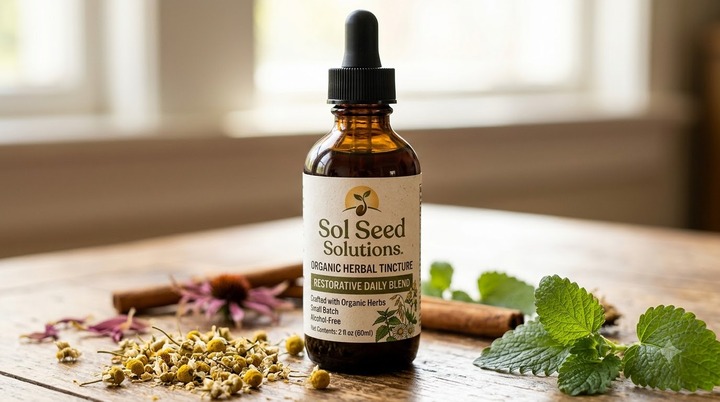
Staring at rows of glass dropper bottles and poetic herb names is exciting—until you try to figure out which extract is actually potent, clean, and appropriate for your goal. If you’re comparing organic herbal tinctures, you’re probably weighing questions about alcohol versus glycerite, dosage, freshness, and how to interpret ratios like 1:2 or 1:5 on the label.
To see real-world examples of ingredients, extraction bases, and sizes, you can compare small-batch organic herbal tinctures and review how brands disclose herb ratios, alcohol percentages, and sourcing details before you buy.
This guide explains what potency really means, how to pick the right extraction base, how to dose sensibly, and how to avoid red flags. You’ll also find cost-per-dose math, storage tips, and safety notes—so you can buy with confidence and use your tinctures effectively.
What makes a high-quality tincture?
Three signals matter most: clear herb identity, meaningful extraction details, and transparent sourcing.
-
Precise herb identity
-
Latin binomial (e.g., Hypericum perforatum for St. John’s wort)
-
Plant part used (root, bark, leaf, flower)—this affects potency and purpose
-
Fresh vs. dried herb declaration
-
Extraction details that matter
-
Weight-to-volume (w:v) ratio: Commonly 1:2, 1:3, 1:5
-
1:2 (dry herb) often indicates a stronger extract than 1:5, all else equal
-
Fresh herb ratios are sometimes written as w:w or w:v with notes (e.g., 1:2 fresh)
-
Alcohol percentage by volume (ABV): 30–95% depending on herb chemistry
-
Resins and aromatics need higher alcohol; mucilages (slippery elm) prefer lower
-
Extraction method: maceration (soak), percolation (drip-through), or combination
-
Sourcing and quality
-
Certified organic herbs or a statement like “made with organically grown herbs”
-
Harvest and processing notes (e.g., quick freeze of fresh plant before extraction)
-
Lot numbers and contactable maker—a sign of accountability
If a label just says “proprietary blend” without herb ratios, ABV, or plant parts, you’re buying blind.
Alcohol, glycerite, or vinegar? Choose your base wisely
Each menstruum (extraction liquid) excels in different situations.
Alcohol extracts (ethanol-based)
-
Strengths
-
Excellent solvent for a wide range of phytochemicals (alkaloids, flavonoids, bitters)
-
Long shelf life (often 3–5+ years in amber glass)
-
Small doses, fast absorption for many users
-
Consider if
-
You need robust extractions of resins/aromatics (e.g., propolis, kava, turmeric resin)
-
You tolerate alcohol and don’t mind the taste (you can dilute in water or tea)
-
Watch-outs
-
Not ideal for those avoiding alcohol completely (health, recovery, religious reasons)
-
May interact with disulfiram or cause false positives on sensitive alcohol tests
Glycerites (vegetable glycerin-based)
-
Strengths
-
Alcohol-free; sweet taste; kid-friendly profile
-
Good for soothing, demulcent herbs; gentler mouthfeel
-
Consider if
-
You’re alcohol-sensitive or giving to children (always follow pediatric guidance)
-
You want a pleasant flavor without added sweeteners
-
Watch-outs
-
Not as strong for resinous constituents; shelf life typically 1–2 years (refrigeration helps)
-
Potency varies by herb and method—look for clear ratios
Vinegar extracts (acetum)
-
Strengths
-
Extracts minerals and some alkaloids; kitchen-friendly and culinary
-
Useful for oxymels (vinegar + honey) and as salad splashes
-
Consider if
-
You want a food-first approach or mineral-rich macerations (e.g., nettle vinegar)
-
Watch-outs
-
Often milder than alcohol for many actives; shorter shelf life than ethanol
Decoding ratios, percentages, and “potency” claims
Numbers on labels aren’t just decoration—they tell you how concentrated the extract is.
-
Weight-to-volume (w:v)
-
Example: 1:3 dry herb = 1 part herb (by weight) in 3 parts liquid (by volume)
-
Lower second number typically indicates stronger extraction, if process is comparable
-
Fresh vs. dry herb
-
Fresh plant tinctures often use more liquid because of the plant’s water content
-
A fresh 1:2 isn’t directly equal to a dry 1:2—context matters; rely on experienced makers
-
Alcohol percentage (ABV)
-
25–40% for high-mucilage herbs (marshmallow)
-
40–60% for most leaves/flowers
-
60–95% for resins and high-aromatic roots/barks
-
“Standardized” vs. full-spectrum
-
Standardized: adjusted to a specific marker compound (more common in capsules)
-
Full-spectrum tinctures: reflect the plant’s broader chemistry; look for consistent processes between batches rather than single-marker standardization
Tip: Two tinctures can both say “1 oz” and cost the same, but a 1:2 at 60% ABV is not the same as a 1:5 at 30% ABV for many herbs. Read beyond the front label.
Which organic herbal tinctures fit your goals?
Match form and formula to your intended use and preferences.
-
Calming/sleep support
-
Examples: skullcap, passionflower, chamomile, valerian
-
Notes: Start low; sedative herbs can amplify other sedatives (alcohol, sleep meds)
-
Digestive support
-
“Bitters” blends (gentian, dandelion root, orange peel) 10–15 minutes before meals
-
Ginger tincture can be warming; go slow if prone to heartburn
-
Immune season
-
Echinacea (root or aerial parts), elderberry/flower blends
-
Caution: Ragweed-sensitive folks may react to echinacea; monitor response
-
Musculoskeletal comfort
-
Turmeric/resin extracts, willow bark, California poppy (with professional guidance)
-
Drug interactions possible (e.g., anticoagulants with salicylates/turmeric)
-
Adaptogens and energy balance
-
Ashwagandha, tulsi, rhodiola
-
Caution: Ashwagandha may not suit hyperthyroid or some autoimmune conditions; rhodiola can feel stimulating at higher doses
For many shoppers, organic herbal tinctures are worth the premium when you value cleaner farming inputs, traceability, and reduced pesticide load—especially for daily-use formulas and for herbs where you rely on leaf/flower extractions.
How to dose safely: a simple, practical plan
Always check the maker’s directions first, then adjust thoughtfully.
-
Understand your dropper
-
A standard glass dropper typically pulls ~1 mL when fully squeezed and released (about 30 drops), but this varies by viscosity and dropper design.
-
Start low, go slow
-
Begin with 0.25–0.5 mL (8–15 drops) to assess taste and body response.
-
If well tolerated, increase to 1 mL as directed on the label. Some formulas suggest 1–2 mL up to 3 times daily.
-
Timing
-
Calming herbs: evening or as needed (don’t mix with alcohol or sedatives).
-
Bitters: 10–15 minutes before meals.
-
Adaptogens: morning or early afternoon to avoid sleep disruption.
-
Method
-
Drop under the tongue, hold 20–30 seconds, then swallow—or mix in a splash of water/tea if the taste is strong.
-
Track and reassess
-
Keep a brief log for 1–2 weeks (dose, time, effect). Adjust one variable at a time.
-
Children and sensitive populations
-
Use glycerites when appropriate; follow pediatric guidance and weight-based dosing from a qualified practitioner.
Safety, interactions, and who should avoid or get guidance
Tinctures are concentrated. Natural does not mean risk-free.
-
Pregnancy and breastfeeding
-
Many herbs are not well studied in pregnancy/lactation. Work with a clinician trained in perinatal herbal safety.
-
Medications and notable interactions
-
St. John’s wort: Significant interactions with SSRIs, oral contraceptives, transplant meds, anticoagulants, many others. Professional guidance recommended.
-
Licorice (Glycyrrhiza glabra): Can raise blood pressure and lower potassium—avoid with certain heart/kidney conditions or use deglycyrrhizinated forms under guidance.
-
Kava: Sedating; avoid with alcohol, benzodiazepines, or liver disease.
-
Valerian: Sedating; use caution with other CNS depressants.
-
Goldenseal: Potent; potential CYP interactions; avoid long-term unsupervised use.
-
Willow bark: Salicylates; caution with anticoagulants/bleeding disorders.
-
Turmeric/curcumin extracts: May affect anticoagulants/antiplatelets; check with your clinician.
-
Health conditions
-
Liver/kidney disease: Extra caution with concentrated extracts.
-
Autoimmune conditions and thyroid disorders: Some adaptogens may not be appropriate.
-
Allergies: Aster family sensitivity can extend to echinacea and chamomile.
-
Alcohol considerations
-
Even small amounts in alcohol-based tinctures can matter for specific individuals, testing situations, or recovery—choose glycerites or consult your program.
Seek medical care for red-flag symptoms (e.g., chest pain, severe shortness of breath, sudden neurologic changes, high fever, severe abdominal pain). Tinctures are not a substitute for diagnosis or emergency treatment.
Cost, sizes, and value: what should you pay?
Understand cost-per-dose to compare fairly.
-
Typical sizes
-
1 oz (30 mL), 2 oz (60 mL), and 4 oz (118 mL)
-
Cost-per-dose example
-
If a 2 oz (60 mL) bottle costs $20 and your dose is 1 mL, you have ~60 doses at ~$0.33 each.
-
A stronger 1:2 extract at $24 might deliver the same or better effect at half the dose—potentially lowering per-effective-dose cost.
-
When bigger is better
-
If you use a tincture daily and it has a long shelf life (alcohol base), larger bottles save money.
-
If you’re experimenting or using occasionally, stick to 1 oz to avoid waste.
-
Single herb vs. blends
-
Single-herb tinctures let you dial in dose and track effects.
-
Blends can be convenient but check that each herb appears in meaningful amounts; “proprietary blend” with no quantities is hard to evaluate.
Storage, shelf life, and handling
Good habits protect potency and flavor.
-
Storage
-
Keep bottles upright, tightly capped, in a cool, dark place.
-
Avoid temperature swings (cars, sunny windowsills).
-
Shelf life
-
Alcohol tinctures: Commonly 3–5+ years.
-
Glycerites: Often 1–2 years; refrigeration extends quality.
-
Vinegar extracts: 1–2 years; taste and aroma are your cues.
-
Handling
-
Don’t touch the dropper to your mouth to avoid contamination.
-
If a tincture smells rancid, looks cloudy (and shouldn’t), or changes color markedly, contact the maker and consider discarding.
Practical ways to use tinctures (so you’ll actually stick with them)
-
Sublingual then swallow
-
Fast, efficient; follow with a sip of water for strong-tasting roots/barks.
-
Diluted in a splash
-
Add to a little water, tea, or sparkling water. Bitters shine in a few ounces of still water pre-meal.
-
Oxymel-style
-
Blend vinegar-based extracts with a touch of honey for a soothing syrup (store in the fridge).
-
Habit stacking
-
Keep daily-use bottles near your kettle, toothbrush, or vitamins. Set a phone reminder during the first week.
-
Combining herbs
-
Start one new tincture at a time for a few days so you can read your response.
-
If building a combo, 2–4 herbs with clear roles usually beat 10+ herbs in tiny amounts.
Common mistakes and easy fixes
-
Buying on marketing only
-
Fix: Look for Latin names, plant parts, w:v ratios, and ABV.
-
Starting with the strongest dose
-
Fix: Titrate up from a quarter- to half-dose; note your response.
-
Ignoring taste
-
Fix: If taste puts you off, you won’t be consistent. Use glycerites or dilute in a small amount of water/tea.
-
Overlooking interactions
-
Fix: Cross-check with your medications and health history; consult a professional for complex cases.
-
Expecting a cure-all
-
Fix: Pair tinctures with sleep, nutrition, movement, and stress support; reassess in 2–4 weeks.
Red flags when shopping online
-
No Latin names or plant parts listed
-
“Miracle cure,” “detox,” or disease-claim language (regulatory red flag)
-
No disclosure of extraction ratio or alcohol percentage for alcohol-based products
-
Vague “proprietary blend” without amounts
-
Unsealed caps, unclear lot/batch numbers, or no way to contact the maker
FAQs
Are glycerites as effective as alcohol tinctures?
It depends on the herb. Glycerites excel for demulcent and many leaf/flower extracts and are alcohol-free, but alcohol generally extracts a broader range of constituents, especially resins. Choose based on herb chemistry and your needs.
How many drops are in 1 mL?
Roughly 30 drops is a common estimate, but it varies by dropper and viscosity. If precision matters, measure by the dropper’s 1 mL line rather than counting drops.
Can I take multiple tinctures together?
Often, yes—if they’re compatible and you’ve tested each one alone first. Keep blends purposeful (2–4 herbs), avoid overlapping sedatives, and watch total daily volume.
Will an alcohol tincture affect a breathalyzer or alcohol test?
Possibly, especially soon after dosing or with sensitive tests. If this is a concern, choose glycerites and confirm with your program or provider.
How quickly do tinctures work?
Taste-based actions like bitters can feel immediate (pre-meal), while adaptogens and tonic herbs are usually gradual—measured over weeks. Track how you feel and reassess at 2–4 weeks.
Are tinctures vegan?
Most are, but confirm the glycerin source (typically vegetable) and any added ingredients like honey. “Organic” on the label typically refers to the farming of the herbal inputs and solvents (e.g., organic cane alcohol).
Bottom line
Potent extracts are built on precise herb identity, appropriate solvent and alcohol percentage, and transparent ratios—not flashy claims. Read labels closely, start with small doses, and match form to your goals and lifestyle. When chosen and used thoughtfully, organic herbal tinctures can be a clean, convenient way to work with plants day to day—while staying within safe, inform
+ed boundaries.
/0258