QB Wristbands Are Not All the Same — Here's What Actually Matters
Posted by SAHIL Singh
Filed in Sports 11 views
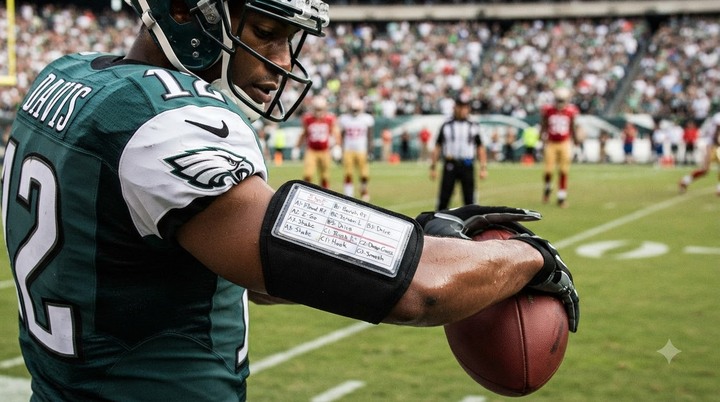
Every quarterback on a Friday night sideline seems to have one strapped to their wrist. But walk into any sporting goods store or browse online, and the options vary wildly in quality, window count, card size, and durability. Choosing the wrong football QB wristbands doesn't just cause minor inconvenience — it can slow down a play call, cause a misread in a critical drive, and put the entire offense at a disadvantage.
If you're a coach building out your offensive system or a quarterback trying to manage a complex playbook on the field, understanding what separates functional wristbands from frustrating ones will save you time and money. You can find well-constructed football QB wristbands with a 5-window design that give you real capacity for play organization without adding bulk or slowing down your pre-snap routine.
Why QBs Use Wristbands in the First Place
The play-calling process at every level of football — from youth leagues to the NFL — involves a quarterback receiving a call, confirming personnel, identifying defensive alignment, and executing before the play clock expires. That's a lot of cognitive load under pressure.
A wristband with organized play cards gives the quarterback a quick physical reference. Instead of relying purely on memory when crowd noise, defensive movement, and a ticking clock are competing for attention, a glance at the wrist confirms the call. It also keeps the offense consistent when hand signals are unreliable in loud environments.
The Problem With Cheaply Made Wristbands
A lot of teams buy the cheapest option available and spend the entire season dealing with problems that never should have existed.
Here's what typically goes wrong:
-
Windows that fog or yellow quickly — making it impossible to read the card clearly under stadium lights or in cold weather
-
Elastic that loses its stretch — causing the wristband to slide around mid-play instead of staying locked in position
-
Card sleeves that are too tight — making it difficult to swap cards at halftime when adjustments need to happen fast
-
Insufficient window count — limiting how many plays or series can be loaded into a single wristband, requiring more card changes during a game
These aren't cosmetic problems. They create real friction in game situations where every second matters.
What a 5-Window Design Solves
A single-window wristband forces quarterbacks to either cram everything onto one card or carry multiple wristbands. A 5-window design changes the calculus entirely.
With five separate viewing panels, a quarterback can organize plays by:
-
Situation — red zone, two-minute, short yardage, third down
-
Formation — spread, under center, pistol, empty backfield
-
Personnel grouping — 11 personnel, 12 personnel, wildcat packages
-
Down and distance tendencies — giving the QB quick reference without cycling through information irrelevant to the current situation
Coaches benefit from this too. A 5-window football QB wristband allows the play caller to build the card set around the week's game plan rather than compressing the entire offense into one cramped sheet.
How to Build Your Wristband Cards Effectively
The wristband is only as useful as the information loaded into it. A lot of teams have functional wristbands and still struggle with them because the card organization is poor.
Keep the Font Readable
Sounds obvious, but it gets ignored constantly. Small fonts that look fine on a printed sheet become unreadable on a wrist card under Friday night lights or in afternoon sun glare. Use bold, clear fonts sized for the actual card dimensions.
Use Color Coding
Assigning a color to each offensive series, formation, or game situation dramatically speeds up the QB's reference time. Instead of reading every line, they're scanning for a color first, then finding the specific call.
Limit Each Card to One Category
Don't mix red zone plays and two-minute plays on the same card. Keep categories clean so the quarterback knows exactly which panel to look at in a given situation without having to search.
Build Adjustment Cards Before Halftime
Coaches who plan their adjustment cards in advance — rather than scrambling to reprint at halftime — use their football QB wristbands far more effectively. Have blank templates ready to write on if the printer isn't available in the locker room.
Durability Considerations That Get Overlooked
Most people focus on the clear windows when evaluating wristband quality. The windows matter, but so does everything else.
Stitching and binding: The edge where the wristband closes and the windows are anchored needs reinforced stitching. Wristbands that start separating at the seams after two games become unreliable quickly.
Material flexibility in cold weather: A wristband made from stiff material becomes harder to flip open quickly when temperatures drop in late-season games. Material that retains flexibility across a temperature range is a significant practical advantage.
Sweat resistance: A quarterback is going to sweat. The card sleeves need to keep moisture out. If the card paper absorbs moisture through poor sleeve sealing, the ink runs and the card becomes unreadable — usually at the worst possible moment.
Youth and High School Quarterbacks: Specific Considerations
At the youth level, the wristband serves a slightly different purpose. Many young quarterbacks aren't managing complex audibles — they're referencing a full play name or a simple code because they're still building their retention capacity. For these players:
-
Larger text is critical — smaller wrist sizes don't mean smaller font
-
Fewer windows may work better — 3 to 5 windows is usually sufficient; overwhelming a young QB with too much information defeats the purpose
-
Durability matters more, not less — youth players are harder on equipment
At the high school level, the 5-window design starts to show its full value. Offensive systems become more complex, situational substitution packages increase, and the quarterback is expected to manage more pre-snap decisions. Having organized, readable panels for each situation is a real performance asset.
Fitting and Comfort: Don't Ignore It
A wristband that's too loose slides around during the play. One that's too tight restricts motion and becomes distracting. The right fit keeps the band stationary on the wrist without cutting off circulation or interfering with throwing mechanics.
Most QB wristbands come in adjustable designs, but the range of adjustment varies. Check that the band fits securely on the non-throwing wrist — most quarterbacks wear it on the left wrist if right-handed — without interfering with their glove or any other equipment.
Frequently Asked Questions
Which wrist should a quarterback wear the wristband on?
Most right-handed quarterbacks wear the wristband on the left wrist to keep it away from the throwing arm. Left-handed quarterbacks typically wear it on the right wrist. The goal is to avoid any interference with throwing mechanics while keeping the card easy to glance at during the huddle or at the line.
How many plays can fit in a 5-window wristband?
This depends on card design and font size, but typically each window can hold anywhere from 4 to 10 plays depending on how much information is on each line. A well-organized 5-window wristband can cover an entire game plan across different situations and formations.
Can you reuse the wristbands each game?
Yes. Quality football QB wristbands are designed for repeated use across a full season. The card inserts are swapped out each week while the band itself stays in service. This makes a durable wristband a long-term investment rather than a single-game item.
Is a wristband useful for quarterbacks who run a no-huddle offense?
Absolutely — arguably more so. In a no-huddle system, the quarterback is managing a faster tempo with less time to communicate. Having plays organized by situation on the wrist allows faster reference during the up-tempo sequence without needing to wait for a sideline signal.
Do other positions use QB wristbands?
Yes. Linebackers and safeties on defense often use similar wristbands to reference defensive assignments and coverage calls. Centers sometimes use them for protection assignments. The 5-window format is versatile enough to work across multiple positions.
A wristband is a small piece of equipment with a large impact on how smoothly your offense operates. Choosing functional, durable football QB wristbands — with the right window design and proper card organization — gives your quarterback one less thing to worry about and one more tool to execute with confidence.