Why Most Batting Practice Setups Get the Strike Zone Wrong
Posted by SAHIL Singh
Filed in Sports 4 views
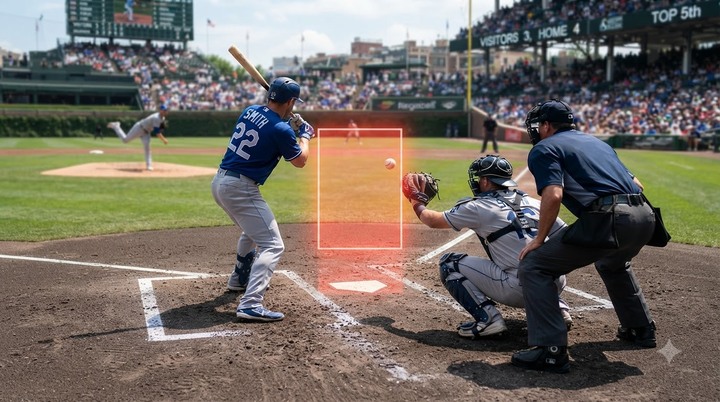
Defining the correct strike zone is one of the most debated topics in baseball, whether you're coaching youth players, running a training facility, or setting up your backyard batting cage. Pitchers and hitters both depend on it — and getting it wrong during practice creates bad habits that carry directly into game situations.
Understanding where the zone starts and ends isn't just an umpire's job. Players, coaches, and parents all benefit from knowing how to set it up accurately at home plate during drills and live practice sessions.
If you're looking to set up a proper training environment, using a well-designed strike zone home plate target system takes the guesswork out of defining the zone for every pitcher and hitter on your roster.
What the Strike Zone Actually Covers
Many coaches describe the strike zone loosely as "knees to letters," but the official definition is more precise than that. According to official rules, the zone extends:
-
Vertically from the midpoint between the top of the batter's shoulders and the top of their uniform pants, down to the hollow below the kneecap
-
Horizontally across the entire width of home plate — 17 inches at its widest point
The challenge in practice is that every batter has a different stance and body height. A zone that works for a tall player is completely off for a shorter one. This is exactly why using a physical reference point at home plate becomes so valuable in training.
Why Practice Without a Defined Zone Hurts Both Pitchers and Hitters
Pitchers Lose Accountability
When there's no visual target zone defined at the plate, pitchers tend to aim vaguely at the catcher's glove. This removes the discipline of locating pitches to specific areas — high, low, inside, outside. Without that feedback, young pitchers especially develop a habit of "getting it close" rather than painting corners.
Hitters Learn the Wrong Habits
A hitter who isn't training against a clearly defined strike zone starts making swing decisions based on guesswork. They either expand their zone too much — chasing bad pitches — or become overly passive. Both problems show up immediately in game situations.
Coaches working with youth players frequently report that hitters improve their pitch recognition much faster when they can visually see where the zone is during training.
How a Strike Zone Home Plate Solves These Problems
Using a dedicated training tool that combines a home plate with a clearly marked strike zone gives pitchers a specific target and hitters a reference point they can actually see and process.
Here's what good strike zone training does practically:
-
Gives pitchers immediate visual feedback on location
-
Helps catchers understand where to frame pitches
-
Trains hitters to identify balls and strikes without relying solely on feel
-
Provides coaches with a consistent standard during practice evaluations
When players can see the zone during dry drills and soft toss, that visual reference starts to become instinctive. They stop guessing and start reading.
Setting Up the Zone Correctly for Different Age Groups
Youth Players (8–12 Years)
The strike zone for younger players is often set too high by well-meaning coaches. Because youth players crouch more than adults, their actual zone sits lower than most people assume. Setting a strike zone home plate at the correct proportional height for your youngest players is one of the simplest ways to improve pitch recognition training right away.
Middle School and High School Players
At this level, pitchers are starting to develop secondary pitches — curveballs, changeups, sliders — that move into or out of the zone late. Training with a defined zone target helps players at this stage work on hitting pitches on the edge rather than only centering everything.
Advanced and Travel Ball Players
Serious players benefit from using strike zone markers to practice going the other way on outside pitches, staying inside on inside pitches, and not offering at borderline pitches in two-strike counts. These are zone management skills that separate elite hitters from average ones.
Common Mistakes Coaches Make When Teaching the Strike Zone
1. Using a one-size-fits-all zone
Every batter's zone is technically different based on their height and stance. Using a static, unadjusted zone for all players during team practice isn't realistic, but using a proportional home plate target is far better than using no reference at all.
2. Only teaching the zone verbally
Telling a 10-year-old to "swing at strikes" without showing them where strikes actually are produces limited results. Physical and visual learning reinforces the concept faster than verbal instruction alone.
3. Ignoring the corners
Most practice setups focus only on the center of the plate. The corners are where games are actually won and lost. Pitchers who can consistently hit the inside and outside corners, and hitters who can lay off corner pitches when they're behind in the count, consistently outperform players who only train in the middle of the zone.
4. Not training with a catcher present
Strike zone training is most effective when it involves a catcher who practices framing and setting up in different locations. Removing the catcher from practice eliminates a critical element of real game experience.
Using Zone Training as Part of a Broader Practice Plan
Strike zone work doesn't need to be isolated. It integrates naturally into:
-
Bullpen sessions — where pitchers focus on locating pitches to specific quadrants of the zone
-
Batting practice — where hitters practice taking borderline pitches versus attacking hittable ones
-
Live at-bats — where both sides are held accountable to zone discipline
Even ten minutes of focused strike zone work per practice session builds the kind of pitch recognition and location awareness that takes most players seasons to develop on their own.
What to Look for in a Strike Zone Training Setup
Not all training tools are equal. When evaluating a strike zone home plate for your team or facility, consider:
-
Size accuracy — Does it reflect the actual 17-inch width of home plate?
-
Zone markers — Are the high and low boundaries clearly visible?
-
Durability — Will it hold up to repeated hits in cage situations?
-
Portability — Can you move it easily between practice stations?
-
Ease of setup — Does it work right out of the box without complicated assembly?
A tool that checks all of these boxes becomes a permanent fixture in practice rather than something that gets used once and stored away.
Frequently Asked Questions
How wide is home plate in official baseball?
Home plate measures 17 inches across at its widest point. This width defines the horizontal boundary of the strike zone for all levels of play from youth baseball through the professional leagues.
Does the strike zone change for different leagues?
The defined boundaries remain consistent, but because the zone is relative to each individual batter's body position, it effectively varies from player to player. Youth leagues may also use modified zone interpretations to encourage more action and help developing players.
Can a strike zone training tool be used for softball as well?
Many strike zone home plate training setups are compatible with softball use, though the specific zone boundaries differ slightly between baseball and softball. Check the product specifications to confirm compatibility with your sport.
How often should pitchers do strike zone targeting drills?
Most pitching coaches recommend dedicated location work at least two to three times per week. Even short sessions — ten to fifteen focused pitches per quadrant — produce measurable improvements in command over a full season.
Is strike zone training useful for beginner players?
Absolutely. In fact, the earlier a player develops a clear sense of the zone, the faster their overall development progresses. Beginners who learn zone awareness early avoid developing bad habits that become difficult to correct later.
Building a real understanding of the strike zone at the practice level is one of the highest-leverage investments a coach can make. It sharpens pitchers, educates hitters, and brings an accountability to practice that translates directly when game situations get tense. The plate is 17 inches wide — teach your players to own every inch of it.