Shoulder Pads Too Big, Too Small, or Just Wrong: Fixing Youth Fitting Problems
Posted by SAHIL Singh
Filed in Sports 22 views
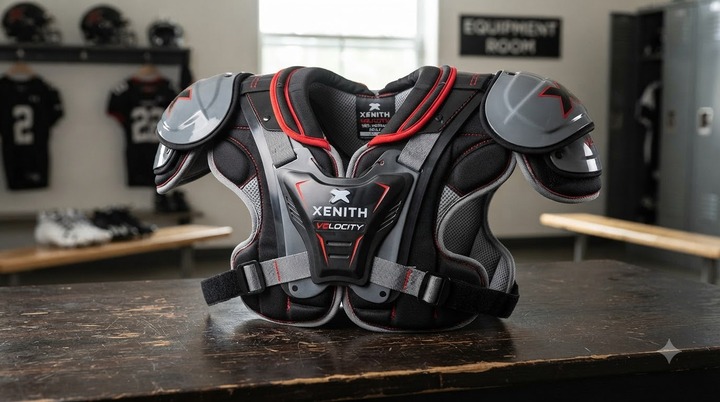
Parents purchasing gear for young football players often focus almost entirely on helmet fit, which is understandable. But youth shoulder pads are responsible for protecting the shoulders, collarbone, upper chest, and spine during contact — and a poorly fitted pad set puts all of those areas at risk while also restricting the natural movement that youth players need to develop good football technique.
The problems with youth shoulder pads usually fall into one of three categories: pads that are oversized and limit movement, pads that are undersized and don't cover the right areas, or pads that are simply the wrong design for the position and age group.
If you're shopping for quality gear built specifically for younger players, these youth shoulder pads are designed with youth proportions and protection requirements in mind.
Why Youth Shoulder Pad Fitting Is Different From Adult Fitting
Youth players have narrower frames, shorter torsos, and different proportions than adult players. Adult shoulder pads scaled down aren't the same as pads engineered for youth bodies. When adult proportions are applied to youth sizing, the cantilever arch sits too far from the shoulder, the chest plate extends too low, and the neck opening is too large to provide proper cantilevered protection.
Youth-specific pads are built around the actual proportions of younger players' bodies. This means the protection lands where it's supposed to land — over the actual shoulder joint — rather than sitting incorrectly because the geometry doesn't match the player.
Taking Accurate Measurements Before You Buy
Chest/Shoulder Measurement
The primary measurement for shoulder pad sizing is the chest circumference measured directly under the armpits. This determines which size range the player falls into. Most manufacturers provide sizing charts mapped to this measurement.
Weight as a Secondary Reference
Weight is often used alongside chest measurement to refine sizing. A player on the border between two size ranges should generally choose based on which measurement — chest or weight — places them in the smaller option, as protection suffers more from oversized pads than from pads that fit snugly.
Checking Actual Fit on the Player
After selecting a size based on measurements, physically check the fit:
-
The top of the shoulder cap should align with or slightly beyond the tip of the actual shoulder
-
The sternum plate should cover the chest without extending down toward the stomach
-
The neck opening should allow full head rotation without the pads rising up on collar contact
-
The player should be able to raise both arms fully overhead without the pads restricting movement
Position Considerations for Youth Players
Linemen
Youth linemen benefit from pads with broader shoulder coverage and reinforced front plates. They absorb more direct forward contact than any other position and need heavier blocking cantilevers.
Skill Players (QB, RB, WR, DB)
Skill position youth players benefit from lighter, lower-profile pads that allow the arm mobility needed for throwing, catching, and open-field running. Overly bulky pads on skill players restrict technique development at an age where natural movement patterns are still being formed.
Linebackers
Youth linebackers need a middle-ground pad that provides solid impact protection without limiting the lateral movement and arm extension they need to tackle and read plays.
Common Buying Mistakes for Youth Shoulder Pads
Buying a size up to save money for next season
Oversized pads shift during contact. The shoulder cap slides off the actual shoulder joint, leaving the joint unprotected at exactly the moment it needs coverage. Never prioritize future fit over current fit.
Choosing adult pads for large youth players
A youth player who is large for their age still needs youth-proportioned pads. Their shoulder structure, spine development, and frame geometry are still those of a young player regardless of their size relative to peers.
Ignoring strap and buckle condition on used pads
Secondhand youth shoulder pads are common in youth football. If you're buying used gear, check every strap, buckle, and snap. A pad that fits correctly but has a worn strap that loosens during play is dangerous.
Not trying the pads with the jersey
The fit should be checked with the game or practice jersey over the pads, not just the pads alone. Some jersey styles restrict movement differently than others, and this can expose a fit issue that wasn't obvious with the pads alone.
Maintenance and Inspection During the Season
Youth shoulder pads need periodic inspection throughout the season. Growing players can shift fit within a single season, particularly during growth spurts. Check fit at the midpoint of the season and again before postseason play.
Look for:
-
Cracks or stress fractures in the plastic shell
-
Foam compression that hasn't bounced back after previous impacts
-
Strap wear or buckle loosening
-
Any shift in how the pad sits on the shoulder after extended use
A pad that fit correctly in August may need adjustment or replacement by November.
Frequently Asked Questions
At what age should young players start wearing shoulder pads?
Most organized youth football programs that involve contact require shoulder pads from the earliest tackle football age groups, typically around age five to seven depending on the league. Always comply with your specific league's equipment requirements.
Can youth shoulder pads be worn for flag football?
Flag football typically does not permit or require shoulder pads, as it is a non-contact format. Check with your specific flag football league for their equipment rules.
How long do youth shoulder pads typically last?
Quality pads can last two to three seasons with proper care and regular inspection. Players who grow significantly between seasons may need new pads based on fit changes rather than wear alone.
Should youth players wear anything under their shoulder pads?
Yes. A padded compression shirt or at minimum a moisture-wicking base layer under shoulder pads improves comfort, reduces friction, and adds supplemental rib and back protection that the shoulder pads themselves don't provide.
Are recertified or used youth shoulder pads safe?
Used pads in good structural condition can be appropriate for youth use, but inspect them carefully. Any pads with cracked shells, compressed foam, or damaged straps should not be used regardless of their age.
Getting youth shoulder pads right isn't complicated, but it does require taking the time to measure correctly, verify actual fit on the player, and select pads designed for youth bodies rather than scaled-down adult designs. That investment protects both the player and the quality of their athletic development during the years when habits and technique are being formed.