The Future of Home Nursing: Innovations and Opportunities
Posted by kashif hayyat
Filed in Music 217 views
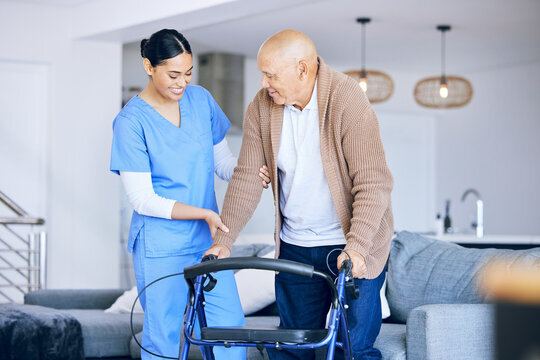
Healthcare is gradually moving beyond hospitals and clinics. As populations age, chronic conditions become more common, and families seek convenient care options, more patients are receiving professional support in their own homes.
This shift is creating new possibilities for home nursing services. A home nurse is no longer limited to providing basic bedside assistance or following a simple medication schedule. With digital health platforms, remote patient monitoring, telemedicine, wearable devices, and improved care coordination, nurses can now deliver more connected and personalized support at home.
However, technology will not replace the human role of nurses. Instead, it will help them identify risks earlier, communicate more efficiently, maintain better records, and spend more time addressing each patient’s physical and emotional needs.
The future of home nursing will combine clinical knowledge, compassionate care, and responsible technology. This article explores the innovations shaping the industry, the opportunities they create, and the challenges healthcare providers must address.
1. Why Home Nursing Services Are Becoming More Important
An Ageing Population Needs Long-Term Support
Many older adults prefer to remain in familiar surroundings rather than move into a hospital or residential care facility. Home-based support can help them maintain their routine, independence, comfort, and connection with family members.
Older patients may require assistance with:
-
Medication management
-
Mobility and transfers
-
Personal hygiene
-
Wound care
-
Chronic-condition monitoring
-
Nutrition and hydration
-
Fall prevention
-
Companionship
-
Post-hospital recovery
The demand for these services is likely to increase as more families look for safe and personalized alternatives to prolonged hospitalization.
Healthcare Is Moving Closer to the Patient
Health systems in different countries are placing greater emphasis on primary, community, digital, and home-based care. This shift is partly driven by changing demographics, pressure on hospitals, workforce shortages, and the need to manage chronic diseases more efficiently.
Future home nursing services may therefore become a central part of healthcare rather than an optional service used only after hospital discharge.
2. Remote Patient Monitoring Will Transform Home Care
Continuous Health Monitoring at Home
Remote patient monitoring allows health information to be collected through connected devices and shared with healthcare professionals. Depending on the patient’s condition, these devices may track:
-
Blood pressure
-
Blood glucose
-
Body weight
-
Heart rate
-
Oxygen saturation
-
Temperature
-
Physical activity
-
Sleep patterns
The Centers for Medicare & Medicaid Services defines remote patient monitoring as the collection of health data through connected medical devices that transmit information to healthcare providers for treatment or condition management.
Instead of relying only on occasional readings during a nurse’s visit, care teams may be able to review trends over several days or weeks.
Earlier Identification of Health Problems
Remote monitoring may help home nurses notice gradual changes that would otherwise be missed. For example, increasing blood pressure, reduced oxygen levels, sudden weight changes, or unusual glucose readings may indicate that the patient needs further assessment.
Research has associated remote patient monitoring with improvements in areas such as patient safety, treatment adherence, communication, and functional status. However, results can differ according to the patient group, technology, and care model.
The nurse will remain essential because data alone cannot explain the complete condition of a patient. A trained professional must consider symptoms, behaviour, medication, medical history, and the reliability of the readings.
3. Telehealth Will Connect Home Nurses With Doctors
Faster Clinical Communication
Telehealth enables patients and nurses to communicate with doctors or specialists without requiring every consultation to take place in a clinic.
During a virtual consultation, the home nurse may help by:
-
Sharing current symptoms
-
Providing vital-sign readings
-
Explaining changes in mobility or behaviour
-
Showing the condition of a wound when appropriate
-
Reviewing the medication list
-
Helping the patient understand medical instructions
-
Documenting the next steps
Telemedicine has the potential to improve clinical management and expand access to healthcare, particularly when patients face mobility, distance, or transportation barriers.
Better Access for Patients With Limited Mobility
Travelling to a hospital can be exhausting for frail, bedridden, disabled, or chronically ill patients. Telehealth cannot replace every physical examination, but it can reduce unnecessary travel and make routine follow-ups more accessible.
The World Health Organization has documented home-based models combining telemedicine assessments with visiting nursing support, including dementia-care initiatives designed to improve access for older adults.
The future may involve hybrid care plans in which home nurses provide in-person assistance while doctors review selected concerns remotely.
4. Artificial Intelligence Will Support Nursing Decisions
Turning Large Amounts of Data Into Useful Alerts
Artificial intelligence may help organize information from digital records, monitoring devices, medication logs, and patient assessments.
For example, an AI-supported platform might identify patterns such as:
-
A gradual decline in mobility
-
Repeatedly missed medication
-
Changes in sleep or appetite
-
Increasing fall risk
-
Abnormal vital-sign trends
-
A possible decline in treatment adherence
These systems could alert the nurse to review the patient more closely. They may also reduce the time spent searching through multiple records.
AI Should Assist, Not Replace, Nurses
AI-generated recommendations should not be treated as final clinical decisions. Algorithms can produce inaccurate results, overlook important context, or reflect bias in their underlying data.
Responsible use requires:
-
Human clinical oversight
-
Transparent recommendations
-
Accurate and representative data
-
Strong privacy protection
-
Clear accountability
-
Regular system evaluation
-
Patient consent where required
International healthcare organizations have emphasized that artificial intelligence and health data must be used ethically and responsibly.
Compassion, observation, reassurance, cultural understanding, and professional judgment cannot be fully automated. The most effective future model will use AI to support nurses rather than remove them from patient care.
5. Wearable Devices and Smart Homes Will Improve Safety
Wearables Can Provide Additional Health Information
Smart watches, patches, and other wearable sensors may help monitor movement, heart rate, sleep, and selected physiological signals.
For patients receiving home nursing services, wearables could support the management of conditions such as:
-
Diabetes
-
Hypertension
-
Heart disease
-
Respiratory illness
-
Mobility limitations
-
Post-surgical recovery
Wearable health technology is evolving toward devices that can monitor a wider range of physiological signals. However, usability, accuracy, affordability, and successful integration into clinical workflows remain important challenges.
Smart Homes May Reduce Everyday Risks
Future home-care environments may include sensors and connected safety tools that detect potential problems without relying on continuous camera monitoring.
Examples may include:
-
Motion sensors that identify unusual inactivity
-
Smart medication dispensers
-
Bed-exit alerts
-
Fall-detection devices
-
Automated lighting
-
Door and stove safety alerts
-
Voice-activated emergency assistance
-
Temperature and air-quality monitoring
These technologies could support nurses and family members, particularly when a patient lives alone. However, they should be introduced carefully to protect privacy and prevent the patient from feeling constantly watched.
6. Personalized Care Plans Will Replace Standardized Care
Every Patient Has Different Needs
Traditional service plans are often based mainly on shift duration. A patient may be assigned eight, 12, or 24 hours of care without a detailed analysis of how needs vary during the day.
Future care plans are likely to be more individualized. They may consider:
-
Medical condition
-
Functional ability
-
Cognitive health
-
Medication schedule
-
Fall risk
-
Nutrition
-
Sleep routine
-
Personal preferences
-
Cultural expectations
-
Family availability
-
Emotional well-being
-
Home environment
A patient recovering after surgery will require a different plan from someone living with dementia, advanced Parkinson’s disease, or long-term paralysis.
Care Plans Will Change With the Patient
Digital records and routine assessments will make it easier to update care plans when a patient improves or declines.
For example, a person may begin with 24-hour care after hospital discharge and later move to a 12-hour schedule as mobility improves. Another patient may need increased coverage after repeated falls or worsening nighttime confusion.
This flexible approach can make home nursing services more relevant, efficient, and patient-centred.
7. Digital Care Records Will Improve Coordination
Moving Beyond Handwritten Notes
Paper records can be incomplete, difficult to share, or easily misplaced. Digital care records provide a more organized method of documenting a patient’s daily condition.
A digital nursing record may include:
-
Medication administration
-
Vital-sign readings
-
Meals and fluid intake
-
Toileting
-
Sleep
-
Mobility and exercises
-
Wound-care notes
-
Pain levels
-
Behavioural changes
-
Doctor instructions
-
Incidents and emergency actions
Authorized family members and healthcare professionals may be able to review relevant information through a secure platform.
Better Handover Between Care Professionals
Good documentation becomes especially important when several professionals care for one patient.
A structured digital handover can inform the next nurse about:
-
Medication already given
-
Changes in the patient’s symptoms
-
Pending medical instructions
-
Recent incidents
-
Mobility difficulties
-
Food and fluid intake
-
Tasks requiring follow-up
Better records may improve continuity and reduce the risk of information being lost between shifts.
8. New Career Opportunities Will Emerge for Nurses
Digital and Specialized Nursing Roles
The growth of home healthcare will create roles beyond traditional bedside nursing. Nurses may build careers in:
-
Remote patient monitoring
-
Telehealth coordination
-
Digital care management
-
Chronic-condition support
-
Dementia care
-
Palliative care
-
Post-surgical rehabilitation
-
Nursing informatics
-
Patient and caregiver education
-
Quality assurance
-
Home-care supervision
-
Clinical technology training
The World Health Organization’s 2025 nursing workforce report highlights the importance of nursing education, advanced practice, leadership, workforce planning, and investment in nursing jobs.
Greater Leadership Opportunities
Home nurses are often the healthcare professionals who spend the most time observing the patient’s daily condition. Their experience can provide valuable insights when designing care plans, digital tools, training programs, and patient-safety procedures.
Nurses should therefore be involved in technology development and policy decisions. Digital platforms created without nursing input may add unnecessary workload or fail to address practical care needs.
The International Council of Nurses has emphasized the importance of including nurses in digital transformation and providing the training needed to use technology effectively.
9. Challenges That Could Slow the Future of Home Nursing
Data Privacy and Cybersecurity
Home-care technologies may collect sensitive information about a patient’s health, routine, medication, and location. Service providers must protect this information through:
-
Secure systems
-
Controlled access
-
Staff training
-
Strong passwords
-
Data encryption
-
Patient consent
-
Clear retention policies
-
Appropriate incident-response procedures
Families should know what information is being collected, who can access it, and how it will be used.
Digital Inequality
Not every patient has access to reliable internet, a smartphone, connected devices, or the confidence to use digital tools.
Older adults may find complicated applications confusing. Technology should therefore be simple, accessible, available in familiar languages, and supported by human assistance.
Digital health should improve access rather than create an additional barrier for patients with limited income or technical knowledge.
Alert Fatigue and Increased Workload
A monitoring system that generates too many notifications can overwhelm nurses. Remote-monitoring research has identified challenges such as increased workload, data inaccuracies, patient anxiety, financial barriers, and difficulty using technology.
Technology should filter information intelligently and send alerts only when professional review is genuinely required.
Nursing Workforce Shortages
Technology cannot solve home-care demand without a sufficient number of trained professionals. Although the worldwide nursing workforce has grown, major inequalities in the availability of nurses remain between regions and countries.
Healthcare providers must continue investing in recruitment, practical training, fair working conditions, supervision, and career development.
10. How Home Nursing Providers Can Prepare for the Future
Invest in People Before Technology
The most advanced platform will fail if nurses are not properly trained or supported. Providers should teach staff how to use digital tools while maintaining clinical standards and compassionate communication.
Training priorities may include:
-
Digital documentation
-
Telehealth support
-
Remote-monitoring protocols
-
Data privacy
-
Emergency escalation
-
Device troubleshooting
-
Patient education
-
Communication with overseas families
Build Technology Around Real Care Needs
Providers should avoid introducing technology simply because it appears modern. Every tool should solve a genuine problem.
Before adopting a new system, a home nursing provider should ask:
-
Does it improve patient safety?
-
Is it easy for nurses and patients to use?
-
Does it reduce or increase workload?
-
Is the information clinically useful?
-
Is the patient’s data protected?
-
Can it connect with existing workflows?
-
Is human support available when the system fails?
Maintain the Human Side of Nursing
Patients do not only need readings, reports, and reminders. They need someone who listens, notices small changes, communicates respectfully, and protects their dignity.
Future-ready home nursing services must combine innovation with:
-
Empathy
-
Patience
-
Trust
-
Cultural sensitivity
-
Professional judgment
-
Emotional reassurance
-
Respect for independence
Technology should give nurses more time for meaningful patient care, not turn every home visit into a data-entry exercise.
Frequently Asked Questions
What are the main innovations shaping home nursing services?
The major innovations include remote patient monitoring, telehealth, wearable devices, digital care records, artificial intelligence, smart-home safety tools, and personalized care-planning platforms.
Will technology replace home nurses?
Technology is more likely to support nurses than replace them. Digital tools can collect information and identify patterns, but nurses remain necessary for physical care, clinical judgment, communication, observation, and emotional support.
How can remote monitoring help patients at home?
Remote monitoring can share readings such as blood pressure, glucose, weight, and oxygen levels with healthcare professionals. This may help identify concerning trends and support timely follow-up.
Are wearable devices accurate enough for medical care?
Some connected devices can provide clinically useful information, but accuracy varies. Readings should be interpreted by qualified professionals and should not automatically replace proper assessment or medical-grade equipment.
How will AI be used in home nursing?
AI may help organize records, identify changes in patient data, prioritize alerts, support scheduling, and improve care planning. Human oversight will remain essential.
What new jobs may develop in home nursing?
Potential roles include telehealth nurse, remote-monitoring nurse, digital care coordinator, home-care supervisor, nursing informatics specialist, patient educator, and condition-specific home nursing specialist.
What is the biggest challenge facing future home nursing services?
Major challenges include workforce shortages, affordability, digital inequality, privacy concerns, staff training, technology reliability, and maintaining compassionate human care.
Conclusion
The future of home nursing will be shaped by a combination of growing patient demand, healthcare workforce pressures, digital innovation, and the desire to receive high-quality care in familiar surroundings.
Remote monitoring, telehealth, AI-supported systems, wearable devices, smart-home tools, and digital records can make care more connected and responsive. These innovations may help nurses identify problems earlier, coordinate more effectively with doctors, and provide families with clearer updates.