Choosing the Right Manhattan Commercial GC for Your Next Build-Out
Posted by The Sunrise Organization
Filed in Other 274 views
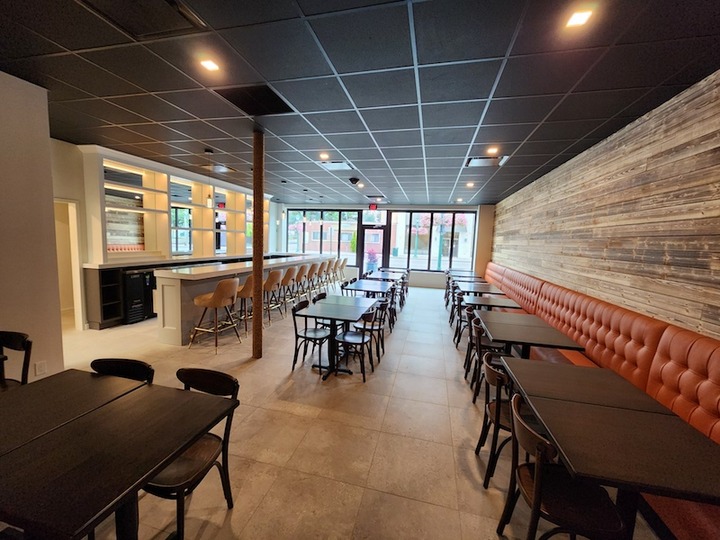
Why the General Contractor You Hire Determines Whether Your Project Succeeds or Stalls
Every commercial construction project in New York City begins with a single decision that shapes everything that follows: who is going to run the job. Office renovations, retail build-outs, restaurant fit-outs, and ground-up commercial developments all depend on the general contractor's ability to coordinate trades, manage permitting, and keep the schedule intact despite the countless variables that come with building in a dense urban environment. Choosing a Manhattan Commercial GC isn't just a matter of comparing bids. It's about finding a partner who understands the borough's specific mix of zoning rules, landlord requirements, and logistical constraints that don't exist anywhere else in the country.
Manhattan construction sites are unlike suburban or even outer-borough projects. Loading dock access is often limited to narrow windows of time. Material deliveries have to be scheduled around building management rules, street closures, and elevator reservations. Many commercial spaces sit inside older buildings with landmark restrictions or aging infrastructure that requires creative solutions rather than standard techniques. A contractor who has spent years working through these realities brings something that a general portfolio simply can't replace: an intuitive sense of how to keep a project moving even when the city throws up roadblocks.
What Separates an Experienced Contractor From the Rest
The best commercial contractors treat every project as a coordination challenge as much as a construction one. Before a single wall goes up, they're already thinking about Department of Buildings filings, fire safety approvals, and how the sequencing of electrical, plumbing, and HVAC work will affect the final walkthrough. Business owners who have gone through a build-out with an unprepared contractor know how costly delays can become. A missed inspection date or an improperly filed permit can push a project back weeks, and every week of delay usually means lost revenue for the tenant waiting to open their doors.
Experienced firms also understand how to manage subcontractor relationships in a market where skilled labor is in high demand. They know which electricians, plumbers, and finish carpenters consistently deliver quality work on tight timelines, and they know how to hold those trades accountable when schedules slip. That network, built over years of working in the five boroughs, is one of the most valuable but least visible assets a contractor brings to a project.
Budget Transparency and Realistic Timelines
One of the most common frustrations business owners describe after a bad construction experience is the gap between the original estimate and the final invoice. Change orders happen, but a well-run project should never feel like a series of unpleasant surprises. A contractor who communicates clearly from the start, lays out contingencies before they become necessary, and explains cost drivers in plain language builds trust that carries through the entire relationship. That transparency matters just as much when comparing an NYC Commercial GC for a retail renovation as it does for a full office build-out, since both project types come with their own layers of hidden costs tied to code compliance, structural conditions, and building-specific requirements.
Timelines matter just as much as budgets. Commercial tenants often have lease clauses tied to occupancy dates, and landlords may have their own construction windows that need to be respected. A contractor who pads schedules unnecessarily wastes time and money, while one who promises unrealistic timeframes sets the project up for disappointment. The right partner strikes a balance, building in reasonable buffers for inspections and material lead times without overselling how fast the work can actually be completed.
The Value of Local Relationships and Code Knowledge
New York City's building codes are notoriously detailed, and Manhattan adds another layer of complexity through landmark preservation rules, co-op and condo board approval processes, and building-specific construction rules that vary from one property manager to the next. A contractor who regularly works in the borough has already built relationships with the inspectors, expeditors, and building management teams who control whether a project moves forward on schedule. Those relationships aren't shortcuts around the rules; they're the product of a track record built through consistent, code-compliant work.
This local knowledge extends to material sourcing as well. Contractors who understand which suppliers can deliver on short notice within city logistics constraints avoid the delays that come from working with vendors unfamiliar with Manhattan's delivery restrictions. Every piece of that puzzle, from permitting to procurement, adds up to a smoother project when the contractor has done the work before in the exact environment where your project is happening.
Communication Throughout the Project Lifecycle
Construction projects rarely go exactly as planned, and how a contractor handles the unexpected says more about their professionalism than any glossy portfolio ever could. Regular updates, honest assessments when problems arise, and a willingness to walk clients through their options rather than making unilateral decisions all contribute to a working relationship built on trust. Business owners investing significant capital into a commercial space deserve a contractor who treats them as a partner in the process, not just a client to be managed.
This is especially true for owners managing their first major build-out. The construction process can feel overwhelming, filled with unfamiliar terminology and a long list of decisions that need to be made quickly. A contractor who takes the time to explain the reasoning behind recommendations, rather than simply issuing directives, helps clients feel confident in the choices being made on their behalf.
Making the Right Choice for Your Next Project
Selecting a general contractor for a commercial project in Manhattan or anywhere else in the city is a decision that deserves careful research. Look at past projects, ask for references, and pay attention to how clearly a contractor communicates during the estimating process. The way a company handles the bidding phase often reflects how they'll handle the project itself. Contractors who take shortcuts early tend to take them throughout, while those who invest time upfront in understanding your needs typically carry that same diligence through to completion.
Whether the project is a full office renovation, a retail fit-out, or a ground-up commercial build, the contractor's ability to navigate the city's unique demands will determine whether the experience is smooth or stressful. Taking the time to find the right fit before signing a contract pays off in fewer surprises, better communication, and a finished space that meets expectations on time and on budget.