Gen Alpha Fashion in 2026: How the Youngest Generation Is Influencing the Global Fashion Industry
Posted by Magnav pacific
Filed in Other 243 views
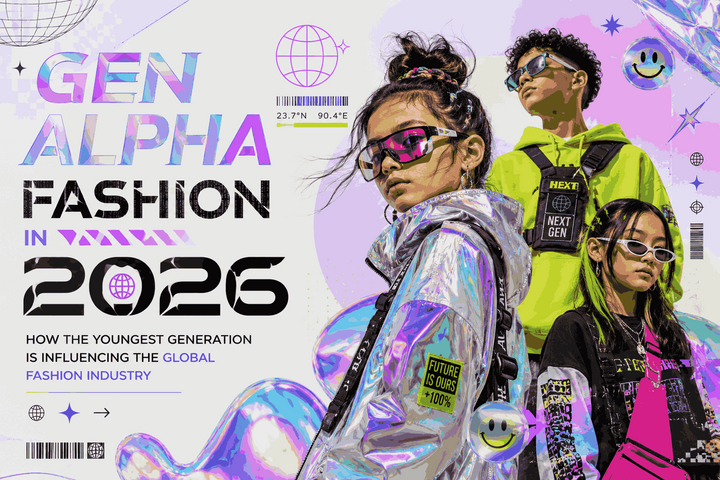
The fashion industry has entered a period where change happens faster than ever before. New technologies, shifting consumer expectations, and digital lifestyles are influencing how clothing is designed, marketed, and purchased. Among the biggest forces behind this transformation is Generation Alpha. Although they are the youngest generation, their impact on fashion is already becoming impossible to ignore.
Born after 2010, Generation Alpha is growing up in homes connected by smart technology, online education, streaming entertainment, and digital shopping. Unlike previous generations, they have never experienced a world without the internet. Their daily lives are shaped by mobile devices, interactive media, artificial intelligence, and instant access to global trends.
For fashion brands, this creates both opportunities and challenges. Traditional marketing techniques are becoming less effective, while digital engagement and personalized experiences are becoming increasingly important. Gen Alpha fashion represents a new chapter where technology, creativity, comfort, and sustainability work together to define modern style.
The First True Digital-Native Generation
Generation Alpha is often described as the world's first fully digital-native generation. Technology is not simply a tool for them; it is a natural part of everyday life.
Fashion inspiration no longer comes primarily from magazines or television. Instead, children interact with global fashion ideas through educational platforms, family influencers, gaming environments, streaming services, and social media created for younger audiences.
Because they experience fashion through digital environments, their understanding of style develops much earlier than previous generations.
This early exposure encourages fashion companies to think differently about product development and customer engagement.
Children Are Becoming Active Participants in Fashion Choices
Parents continue making purchasing decisions, but children now play a greater role in influencing those choices.
Young consumers express opinions about colors, graphics, characters, fabrics, and styles before products are added to shopping carts.
Brands recognize this shift by designing collections that satisfy both practical parental expectations and children's creative preferences.
Instead of marketing exclusively to adults, companies now build campaigns that connect with entire families.
Comfort Has Become the New Standard
The lifestyles of modern children have changed significantly.
Learning, recreation, sports, travel, and creative activities often happen within the same day. Clothing must therefore support movement without sacrificing appearance.
Fashion designers increasingly prioritize breathable fabrics, lightweight materials, flexible construction, and functional designs.
Comfort is no longer viewed as an additional benefit. It has become one of the primary reasons consumers choose one brand over another.
Digital Experiences Influence Fashion Purchases
Shopping behavior has evolved alongside technology.
Families frequently research products online before visiting stores or completing purchases through e-commerce platforms.
Fashion companies now create digital experiences that include virtual fitting technology, personalized recommendations, interactive catalogs, and AI-assisted customer support.
These innovations improve convenience while helping consumers make informed purchasing decisions.
Digital retail has become one of the fastest-growing areas within children's fashion.
Creative Expression Is Replacing Traditional Style Rules
Generation Alpha approaches fashion differently from previous generations.
Rather than following fixed trends, many children enjoy experimenting with colors, prints, accessories, and imaginative combinations inspired by entertainment and digital culture.
Fashion becomes a way to communicate personality rather than simply wearing popular styles.
This preference encourages brands to produce versatile collections that allow greater freedom of individual expression.
Sustainability Is Influencing Family Buying Decisions
Environmental awareness has become part of everyday conversations in schools, communities, and households.
Parents increasingly look for clothing that lasts longer, uses quality materials, and reflects responsible manufacturing practices.
Fashion companies have responded by improving production methods while investing in environmentally conscious innovation.
As Generation Alpha matures, sustainability is expected to become an even stronger purchasing factor.
Businesses preparing today will be better positioned for future consumer expectations.
Artificial Intelligence Is Transforming Children's Fashion
Artificial intelligence has become an important tool throughout the fashion industry.
Retailers now analyze customer preferences to recommend products, improve inventory management, and personalize shopping experiences.
AI also assists designers by identifying emerging consumer interests and predicting future market trends.
Because Generation Alpha is growing up alongside artificial intelligence, personalized fashion experiences are becoming an expected part of modern retail.
Entertainment and Gaming Continue to Shape Fashion
Modern entertainment has expanded beyond television.
Children spend time engaging with animation, educational creators, interactive games, and digital storytelling platforms.
These experiences often influence fashion preferences, encouraging brands to create collections inspired by creativity, adventure, and digital culture.
Gaming communities and entertainment franchises continue introducing new visual styles that influence youth fashion worldwide.
Fashion Brands Are Preparing for Long-Term Growth
Although Generation Alpha is still young, businesses recognize its future economic importance.
Major fashion companies are investing in research, product innovation, digital platforms, and family-focused marketing strategies designed specifically for this generation.
The objective is not simply to sell children's clothing today but to establish lasting relationships with future consumers.
Brands that understand Generation Alpha's expectations will have significant advantages as this generation gains purchasing power.
The Future of Gen Alpha Fashion
The next decade is expected to introduce major changes throughout the fashion industry.
Artificial intelligence, personalized manufacturing, sustainable materials, digital retail, and immersive shopping experiences will continue reshaping consumer expectations.
Generation Alpha will likely become the first generation to view physical and digital fashion as equally important aspects of personal identity.
Fashion companies that combine innovation with quality and responsible business practices will continue leading the market.
Conclusion
Gen Alpha fashion represents more than children's clothing. It reflects the future direction of the global fashion industry.
Growing up in a technology-driven environment, Generation Alpha values creativity, personalization, comfort, and digital experiences in ways previous generations never experienced.
As fashion brands continue adapting to these changing expectations, the industry will become more connected, more innovative, and more customer-focused.
Understanding Gen Alpha today provides valuable insight into where fashion is heading tomorrow.
Frequently Asked Questions (FAQ)
What is Gen Alpha fashion?
Gen Alpha fashion refers to clothing styles, shopping behavior, and fashion preferences associated with children born from 2010 onward.
Why is Generation Alpha important for the fashion industry?
Generation Alpha influences family purchasing decisions and represents the next generation of long-term fashion consumers.
How does technology affect Gen Alpha fashion?
Technology shapes shopping experiences, product recommendations, digital inspiration, and personalized customer engagement.
What values define Gen Alpha fashion?
Comfort, creativity, quality, personalization, sustainability, and digital innovation are among the most important characteristics.
Will Generation Alpha change the future of fashion?
Yes. As this generation grows older, its influence is expected to reshape fashion design, retail technology, marketing strategies, and consumer expectations worldwide.