Surviving the Night Shift: A Beginner's Guide to Five Nights at Freddy's
Posted by Kian West
Filed in Entertainment 199 views
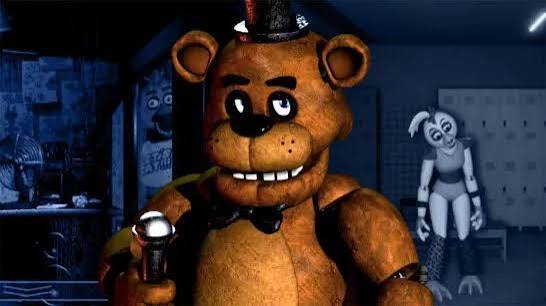
Have you ever wondered what it's like to be locked inside a pizzeria after closing time, with nothing but a desk fan, a flickering monitor, and your own heartbeat for company? That's the premise of Fnaf, a game that turned a tiny security office into one of the scariest places in gaming history. Whether you're completely new to horror games or just curious what all the fuss is about, here's how to survive your first night — and actually enjoy the terror instead of just enduring it. The game respects your fear — it just never lets you run from it.
What Actually Happens in the Game
The setup sounds almost boring. You play the night guard at Freddy Fazbear's Pizza, a cheerful family restaurant with a dark secret. Your shift runs from midnight to six in the morning. That's it. No weapons, no running, no escape route. Your only tools are a camera system, two security doors, and a limited supply of power.
The catch? The animatronic characters — Freddy, Bonnie, Chica, and Foxy — are not supposed to move after hours. But they do. And if one reaches your office... well, the game doesn't leave much to the imagination.
What makes Fnaf special is what it takes away from you. Most horror games hand you tools and options; this one gives you restrictions. You can't fight back, and you can barely move. Your survival depends on watching, listening, and making smart choices while your battery drains a little faster with every action. Even the phone voice that guides you — the famous "Phone Guy" — eventually falls silent, and then you're truly alone with the darkness.
The Core Loop: Watch, Listen, Survive
The gameplay loop is deceptively simple. You flip up the monitor to check the cameras and track where each animatronic is lurking. When one gets too close, you slam the door shut — but doors and lights cost power, and running out before 6 AM means the doors fail, the lights die, and Freddy himself comes to visit.
Each character behaves differently. Bonnie and Chica approach from the sides and announce themselves with flickering hallway lights. Foxy, the sprinting fox, charges down the hall if you neglect to check on him. And Freddy, the star of the show, barely moves at all — until suddenly, it's far too late.
The genius of the design is that it never lets you relax. Every camera flip is a gamble, every door check a risk. You're not fighting monsters; you're fighting time, power, and your own nerves. That slow-burning dread is exactly why the jumpscares land so hard.
The first couple of nights ease you in gently, but by night three the game stops holding your hand. Doors that once felt safe start to feel like traps, and the familiar office begins to feel like a cage. This escalating pressure is what keeps players coming back — the game isn't just scaring you, it's testing you.
Tips for Your First Few Nights
If you want to survive — and genuinely enjoy the ride — keep these in mind:
-
Conserve power like it's your rent money. Doors and lights drain the battery fast. Only close a door when you're sure something is outside it, not "just in case."
-
Keep camera time short. Every second on the monitor eats power. Check quickly, then put the screen down.
-
Listen more than you look. Headphones make a huge difference. Footsteps, breathing, and that eerie music box all tell you what the cameras can't.
-
Learn the patterns. The animatronics are predictable once you understand their habits. Dying is part of the learning process, not a failure.
-
Don't neglect the hallway. Foxy punishes players who camp on the cameras. Glance down the hall regularly.
-
Stay calm. Panic leads to wasted power. When your heart is pounding, take a breath, think about what you just heard, and act deliberately.
Why You Should Give It a Try
Fnaf is a perfect entry point into horror gaming because it doesn't demand fast reflexes or deep mechanical skill — just patience and nerves. The atmosphere is masterful, the scares feel earned, and the story hiding in the background (newspaper clippings, minigames, those cryptic phone calls) is surprisingly rich. It's the kind of game you finish and then immediately want to discuss with someone else who's been through it.
Start with the first game. Play in the dark, with headphones, and give yourself permission to pause when it gets overwhelming. And when that 6 AM screen finally appears after your first full night, you'll understand why millions of players keep coming back to this little office with the big red door.
And if you catch the bug, there's a whole universe waiting: sequels that rethink the formula, fan-made tributes, and a community that has spent years dissecting the lore. Few horror games offer that much mileage from such a simple starting point.
The animatronics are waiting. The clock is ticking. Good luck, night guard.