From Lab to Jewelry: How a Lab-Grown Diamond Tennis Bracelet Is Made
Posted by AVIR New York
Filed in Shopping 23 views
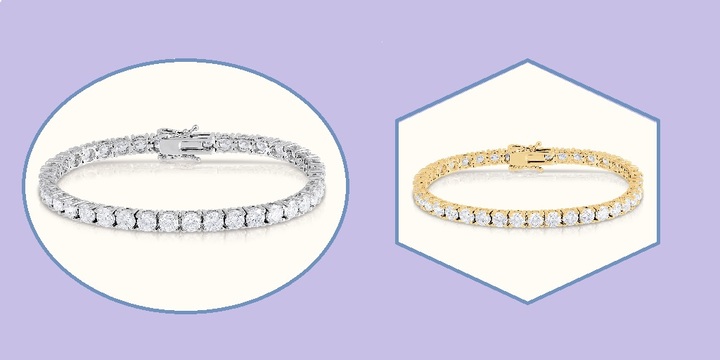
A lab-grown diamond tennis bracelet begins with diamonds created using advanced laboratory technology. The process recreates the natural conditions required for diamond formation, producing stones with the same carbon-based crystal structure as mined diamonds. After growth, each stone undergoes cutting, polishing, grading, and setting into jewelry. The final bracelet reflects careful work at every step, from the initial diamond crystal to the finished piece.
How Lab Grown Diamonds Are Created
Lab-grown diamonds begin with a small diamond seed. Two primary technologies are used to grow these stones: Chemical Vapor Deposition (CVD) and High-Pressure, High-Temperature (HPHT).
CVD places a diamond seed inside a chamber filled with carbon-rich gases. Heat and controlled energy cause carbon atoms to separate from the gas and settle onto the seed. Layer by layer, the crystal develops until it reaches the required size.
HPHT follows a different approach. Carbon material is exposed to extremely high pressure and temperature, recreating conditions associated with diamond formation deep within the Earth. A metal catalyst helps carbon crystallize around a diamond seed.
Both methods produce genuine diamonds with the same basic crystal structure as natural diamonds.
Cutting and Polishing Each Diamond
Once a diamond reaches the desired size, it must be prepared for jewelry. Rough lab-grown diamonds contain irregular surfaces and require careful planning before cutting begins.
A diamond cutter studies each rough stone to determine the most suitable shape and proportions. For tennis bracelets, round brilliant cuts are especially common because their symmetrical shape creates a consistent appearance along the bracelet.
Precision cutting creates the diamond's facets. These surfaces control how light enters and exits the stone. Polishing then smooths each facet and gives the diamond its finished appearance.
The goal is consistent proportions, clean surfaces, and strong light performance across the stones.
Selecting Stones for a Tennis Bracelet
A tennis bracelet contains multiple diamonds arranged in a continuous line. Consistency therefore becomes an important part of the selection process.
Diamonds can be evaluated according to the traditional 4Cs: cut, color, clarity, and carat weight. Matching stones by these characteristics helps create a balanced appearance.
Size also requires careful consideration. Diamonds with similar dimensions create an even visual rhythm from one end of the bracelet to the other. Precise measurements help jewelry designers plan the settings and spacing before assembly begins.
How the Bracelet Is Constructed
After selecting the diamond, attention shifts to the bracelet's metal framework. Gold or platinum can form the structural foundation, depending on the desired design.
Individual settings hold each diamond securely. These settings are connected through flexible joints, allowing the bracelet to follow the natural movement of the wrist.
Each diamond is placed carefully into its setting. The jeweler checks alignment, spacing, and security before moving to the next stone. The finished bracelet receives additional polishing to refine the metal surfaces and create a consistent finish.
Quality checks follow assembly. Each setting is inspected to confirm that the diamonds remain secure and properly aligned.
What Makes the Finished Piece Distinct
The completed lab-grown diamond tennis bracelet represents several specialized stages of craftsmanship. Diamond growth takes place under controlled laboratory conditions. Cutting determines how each stone interacts with light. Jewelry construction then transforms individual diamonds into a flexible wearable design.
This process also explains why the finished bracelet can have such a uniform appearance. Carefully selected stones, consistent cuts, and precise settings create continuity across the entire piece.
Caring for a Diamond Tennis Bracelet
Regular care helps preserve both the diamonds and their metal settings. Gentle cleaning can remove oils and everyday residue that collect on the surface.
A soft brush, mild soap, and lukewarm water can be suitable for routine cleaning. Harsh chemicals and abrasive materials should be avoided, as they can damage certain metals or finishes.
Periodic professional inspections can also help identify loose settings or worn components. Early attention can prevent a small structural issue from developing into a larger repair.
If a tennis bracelet fits your jewelry collection, AVIR New York offers lab-grown diamond designs available for purchase. Explore different bracelet styles, diamond shapes, metals, and finishes to find a piece suited to personal preferences. Visit AVIR New York to browse the collection.
For more information about Tennis Necklace and Solitaire Diamond Necklace Please visit: AVIR New York.