When Disaster Strikes a Dalton Business
Posted by Roy Wilson
151 views
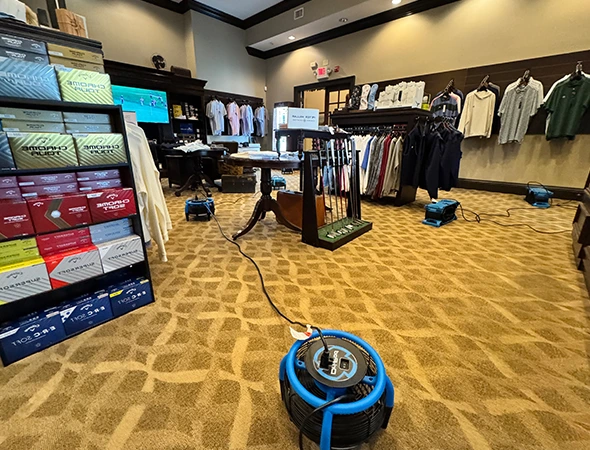
A burst pipe over a holiday weekend can flood a warehouse before anyone notices. By Monday, water has soaked the flooring, warped inventory, and crept into the walls. For local business owners, this is where commercial restoration services in Dalton, GA become less of a luxury and more of a lifeline.
Restoration work covers the cleanup and repair after water, fire, mold, or storm damage. It restores a property to working condition so operations can resume. And in a busy manufacturing hub like Dalton, downtime costs real money every hour.
What Commercial Restoration Actually Involves
Restoration is different from a standard cleaning job. It handles structural drying, contamination, and rebuilding all at once.
Most projects follow a similar arc. First comes assessment, where technicians measure moisture levels and check for hidden damage behind walls or under floors. Then extraction and drying, followed by repairs and reconstruction.
The scale is what sets commercial work apart. A flooded office suite and a damaged production floor need very different equipment, staffing, and timelines.
Common scenarios in the area include:
-
Water damage from broken pipes, roof leaks, or plumbing failures
-
Fire and smoke damage that leaves soot and odor deep in materials
-
Mold growth that spreads within 24 to 48 hours of moisture exposure
-
Storm damage from heavy rain, wind, or fallen trees
Each type needs a specific response. Mold, for example, requires containment so spores don't travel through the ventilation system.
Why Speed Matters More Than Price
Here's the part many owners underestimate: time.
Water spreads fast, and drywall, carpet, and insulation absorb it quickly. What starts as a small leak can turn into a mold problem within two days. That's why most restoration crews in Dalton offer 24/7 emergency response.
Acting quickly usually reduces the total repair bill, too. A fast dry-out can save flooring and equipment that would otherwise need full replacement.
For business owners, the practical benefits look like this:
-
Less downtime, so you reopen sooner
-
Lower long-term costs from stopping damage early
-
Insurance support, since many companies document damage for your claim
-
Safer conditions for employees and customers
A Real-World Look at Local Recovery
Picture a small retail shop after a summer storm floods the stockroom. The owner has damaged goods, wet drywall, and a business that can't open until it's fixed.
A restoration team steps in, extracts the water, sets up commercial dehumidifiers, and starts drying within hours. Within days, repairs begin and the shop reopens. That kind of turnaround is common when the response is fast.
The same logic applies to homes. Residential restoration services in Calhoun, GA follow a similar process, just on a smaller scale — a flooded basement or a kitchen fire instead of a full production floor.
Providers like Voda Cleaning & Restoration are among the companies that handle both commercial and residential jobs across North Georgia, which matters when a single storm affects businesses and neighborhoods at once.
Choosing a Restoration Provider
Not every company handles every job, so it helps to know what to check first.
Look for these signals before you commit:
-
Fast response times, ideally 24/7 availability
-
Proper certification, such as IICRC training for water and mold work
-
Insurance experience, since claims can get complicated
-
Local presence, so crews arrive quickly when time counts
When in doubt, ask about response time and certification first. Those two answers tell you the most about whether a provider can handle an urgent situation.
Restoration isn't something anyone plans for. But knowing how it works — and who to call — puts you in a far stronger position when the unexpected hits.
Frequently Asked Questions
How fast should restoration begin after water damage?
As soon as possible, ideally within a few hours. Mold can start growing within 24 to 48 hours, so quick drying prevents bigger problems and higher costs.
Does insurance cover commercial restoration?
Often, yes, depending on your policy and the cause of damage. Sudden events like burst pipes are usually covered, while gradual issues may not be. Check your policy details.
What's the difference between commercial and residential restoration?
The process is similar, but commercial work involves larger spaces, more equipment, and tighter timelines to limit business downtime. Residential jobs focus on homes and living areas.
How long does the restoration process take?
It depends on the damage. Minor water cleanup may take a few days, while major fire or structural damage can take several weeks to fully repair.
Can mold return after restoration?
Yes, if the moisture source isn't fixed. A proper job addresses the root cause, dries the area completely, and treats affected materials to prevent regrowth.