What to Know About Linoleum Flooring Installation in Pawtucket, RI
Posted by Roy Wilson
Filed in Business 18 views
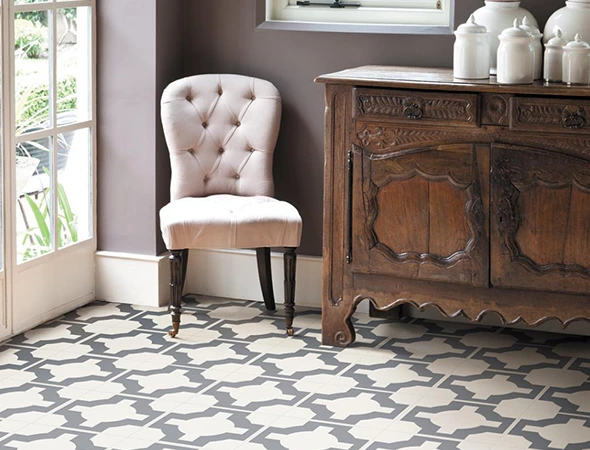
A kitchen floor takes a beating. Spilled coffee, muddy boots, a dropped pan on a Tuesday night. For many homeowners, the floor that handles all of this quietly is linoleum. And in older New England homes, it shows up more often than people expect.
Linoleum Flooring Installation in Pawtucket, RI has stayed steady for a simple reason. The material is durable, affordable, and forgiving. It suits busy households and tight budgets alike. Before choosing it, though, it helps to understand what linoleum actually is and how a proper installation works.
What Linoleum Actually Is
Linoleum is a floor covering made from natural materials. Linseed oil, cork dust, wood flour, and jute backing get pressed together into sheets or tiles. That is the whole recipe. No heavy plastics.
People often confuse it with vinyl. They look similar, but they are not the same. Vinyl is synthetic. Linoleum is made from renewable ingredients, which is part of why it appeals to homeowners who care about materials.
The color runs all the way through the sheet. So a small scratch does not expose a different layer underneath. That single trait is why linoleum ages better than many cheaper options.
Why Installation Quality Matters More Than the Material
Good linoleum on a bad subfloor will fail. It is that simple. The subfloor has to be clean, dry, and level before anything gets laid down.
Moisture is the biggest enemy here. Rhode Island winters bring damp basements and shifting humidity. If the base is not sealed and prepped, the flooring can bubble or curl at the seams over time.
This is where trained installers earn their keep. They check the subfloor, handle the adhesive correctly, and roll the material to remove trapped air. Skip those steps, and even top-grade linoleum looks tired within a year.
The Practical Benefits
Linoleum holds up to daily traffic without much fuss. A damp mop keeps it clean. It resists water when sealed, and it feels softer underfoot than tile.
It is also quieter. Drop a fork in a tiled kitchen and the whole house hears it. Linoleum softens that. For families with kids or pets, that comfort adds up.
Cost is another draw. Compared to hardwood or stone, linoleum sits at a friendlier price point. It gives you a clean, finished look without stretching the budget thin.
And the color choices are wide. Solid tones, marbled patterns, even wood-look designs. You are not stuck with the dull sheets people remember from decades ago.
Where It Fits Best
Kitchens and bathrooms are the natural homes for linoleum. Both deal with spills and moisture, and both benefit from a surface that wipes clean fast.
Mudrooms and laundry rooms work well too. These are the rooms that take the mess so the rest of the house stays tidy. Linoleum handles that job without complaint.
Hardwood still has its place, of course. Many homeowners in Pawtucket, RI keep wood in living areas and reserve linoleum for the wet, high-traffic zones. A Sand Finish Hardwood Floor Installer in Pawtucket, RI can refinish those wood spaces while linoleum covers the rooms that need extra durability.
A Real-World Example
Picture a 1920s home near downtown Pawtucket. The kitchen had cracked tile and a soft spot near the sink. The owners wanted something durable but warm.
The crew pulled the old tile, repaired the subfloor, and sealed against moisture. Then they laid sheet linoleum with tight, glued seams. The finished floor looked clean and held firm through the next winter.
That kind of result comes from prep, not luck. Local companies such as The Flooring Specialist often note that most callbacks trace back to rushed subfloor work rather than the flooring itself.
Choosing the Right Installer
Ask about subfloor prep before anything else. A good installer will talk through moisture testing, leveling, and adhesive choice without prompting.
Ask to see past work in homes similar to yours. Older Pawtucket houses have quirks, and experience with them matters. The same logic applies whether you need linoleum or a Sand Finish Hardwood Floor Installer in Pawtucket, RI.
Get the details in writing. Materials, timeline, and what happens if a seam lifts later. Clear terms upfront save headaches down the road.
Frequently Asked Questions
How long does linoleum flooring last?
With proper installation and care, linoleum can last 20 to 40 years. Sealing and routine cleaning make a real difference in how long it holds up.
Is linoleum better than vinyl for kitchens?
It depends on your needs. Linoleum is made from natural materials and has color throughout, so scratches show less. Vinyl is fully waterproof and often cheaper.
Can linoleum be installed over existing floors?
Sometimes, if the base is flat and solid. Most installers still prefer a clean, prepped subfloor to avoid bubbling or uneven seams later.
How much does linoleum installation cost?
Costs vary by room size, material grade, and subfloor condition. It generally falls below hardwood and tile, which is part of its appeal.
Does linoleum need special cleaning?
No. A damp mop and mild cleaner handle most jobs. Avoid harsh abrasives and standing water to keep the finish intact.