Volleyball Statistics App Guide for Polish Coaches
Posted by macafis neplis
Filed in Other 33 views
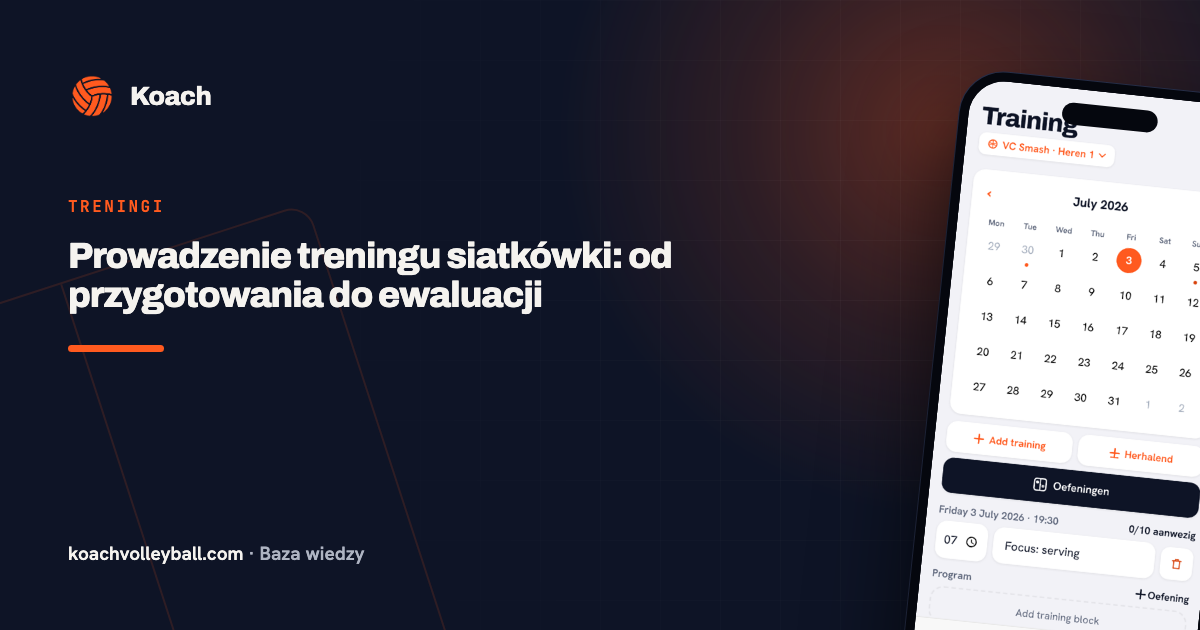
In a country where volleyball is followed so closely, it's no surprise that statistics have become part of the conversation. Fans discuss attack efficiency and passing percentages after top-level matches, and more club coaches are realizing that simple stats can help their own teams too. The challenge is finding a realistic way to record them without an analyst. An aplikacja do statystyk siatkarskich can make stat tracking practical for everyday club coaches. In this guide we look at which stats Polish coaches should track, how to record them during matches and how to use them to improve training.
Start with Serving and Passing
The most useful stats for club teams relate to serving and passing, because these areas often decide matches at club and youth level. Track serve errors and aces to understand how much pressure your team puts on opponents and how many free points it gives away. Rate serve receive passes on a simple scale, such as zero to three, to see whether your setter gets good balls to work with. These few numbers explain a surprising amount about why matches are won or lost, and they point directly to what your team should practice next. Some coaches also track serves by zone, which shows whether players are targeting weak passers or simply putting the ball anywhere in the court.
Add Attack Stats Gradually
Once serving and passing stats feel routine, add attacking stats. Recording kills, attack errors and total attempts lets you calculate attack efficiency: kills minus errors, divided by attempts. This number rewards consistency, not just spectacular kills, and helps you decide who to set in important moments. Some coaches also track blocks and digs to understand their defense. Add these gradually or ask an assistant to help, because trying to track too much at once usually leads to missed entries. It's better to record a few stats reliably than many stats badly. Share the formula with your hitters too, since many players are surprised to learn that an error can cancel out a kill completely.
Record Stats During Matches
During a match, speed and consistency matter most. Use an app that lets you record actions with a few taps, linked automatically to players and rotations. Many Polish club coaches ask an injured player, a substitute or a parent to handle stat tracking while they focus on coaching. Enter your lineup before the match so stats connect to the right rotations. Record each action as it happens and don't worry about the occasional missed play. Consistency across matches is far more important than perfect accuracy in any single match.
Use Stats During the Match
Stats aren't only for after the match. During timeouts and between sets, a quick look at the key numbers helps you make decisions. Are serve errors piling up? Is one rotation struggling in serve receive? Is the opponent scoring repeatedly through one area of the court? These insights help you give clear, specific instructions in the short time available. Players respond better to concrete points than general encouragement. Keep the message simple and focus on one or two changes the team can make immediately. Consistent, calm messages in timeouts also help younger or less experienced teams stay focused when a set starts to slip away.
Turn Stats into Training
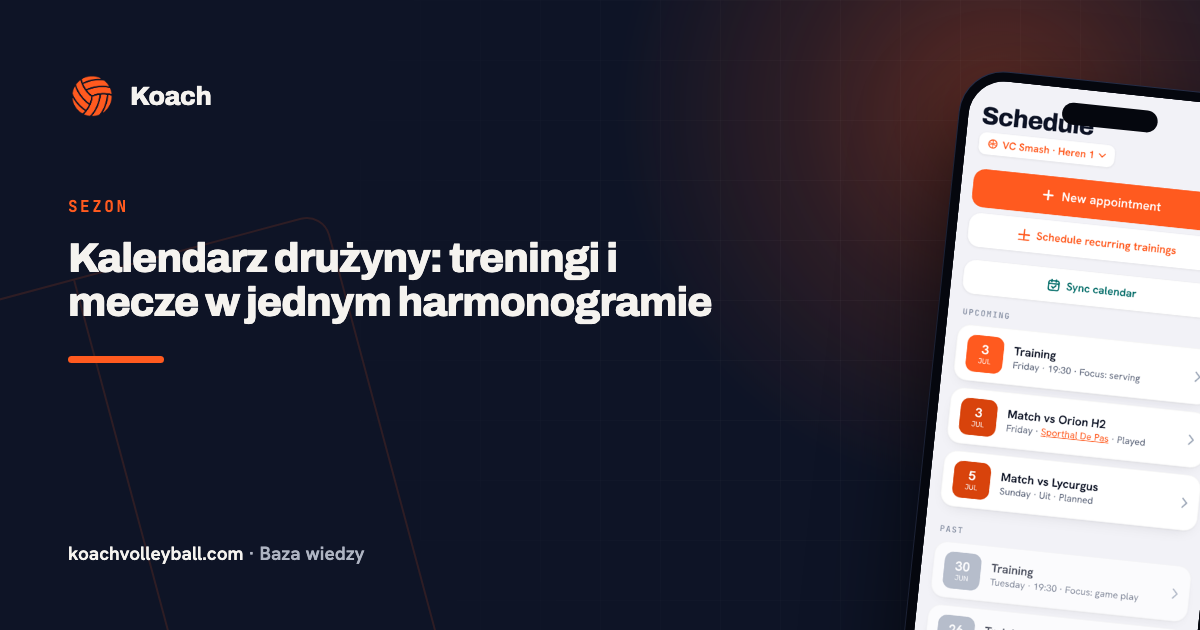
The real value of stats appears when they shape training. After each match, identify two or three clear patterns and plan training around them. If passing struggled, focus on serve receive. If serve errors were high, work on serving consistency. Over several weeks, compare stats to see whether training is making a difference. Koach connects live stats with rosters, lineups and training plans, making this cycle simple. For Polish coaches, a realistic stats routine can lead to steady improvement and a much clearer understanding of how the team develops across the season.