The Science Behind Durable Yet Elegant Foldable Gift Box Construction at Ipack Packaging
Posted by macafis neplis
Filed in Other 33 views

A gift box has a strange job. It must look delicate and beautiful, yet survive warehouses, delivery trucks, stacked pallets, and sometimes careless hands. Achieving both is less about luck and more about engineering. Behind every sturdy, elegant box sits a surprising amount of material science, geometry, and testing. Customers rarely think about any of this when they admire a package, which is exactly the point. Ipack Packaging treats construction as a discipline, balancing strength and appearance through careful decisions about board, folds, adhesives, and closures. Let us look at the principles that allow a box to stay flat in storage but stand firm when assembled.
Board Selection and Fiber Strength
Everything starts with the board. Paperboard is made of pressed cellulose fibers, and its strength depends on thickness, density, and fiber quality. Thicker, denser board resists crushing and bending, while lighter stock reduces weight and cost. Rigid gift boxes often use greyboard, a dense recycled material, wrapped in decorative paper for a premium look. Choosing the right grade means considering the product's weight, the stacking load during shipping, and the desired feel. A heavy item needs a thicker board than a light scarf. Ipack Packaging evaluates these factors together, ensuring that the chosen material supports the product without making the box needlessly bulky or expensive.
The Geometry of Folds and Creases
A foldable box relies on precise creasing to hold its shape. Where board bends, fibers are compressed and stretched, so fold lines must be carefully designed to avoid cracking. Scoring or grooving the board allows a clean, accurate bend, and the angle and depth of these cuts determine how smoothly panels fold and how tightly corners meet. Poor creasing leads to bulging sides, gaps, or weak corners. Engineers also design panel overlaps and locking tabs to distribute pressure evenly across the structure. When geometry is right, the box assembles easily and stays square, even after repeated opening, because the forces acting on it are balanced instead of concentrated in weak spots.
Adhesives, Wrapping, and Surface Strength
The wrap paper does more than provide color. It reinforces the board surface and protects against scuffs and moisture. Applying it smoothly requires the correct adhesive, enough coverage, and controlled pressure so no air pockets or wrinkles appear. Strong glue lines hold hinges and corners together, but too much adhesive can warp the board or seep through the paper. Water-based glues are common because they bond well and are friendlier to the environment. Careful control of humidity and drying time also matters, since moisture can cause paper to expand or curl. These behind-the-scenes details separate a box that stays crisp for years from one that peels after a few weeks.
Closure Mechanics That Last
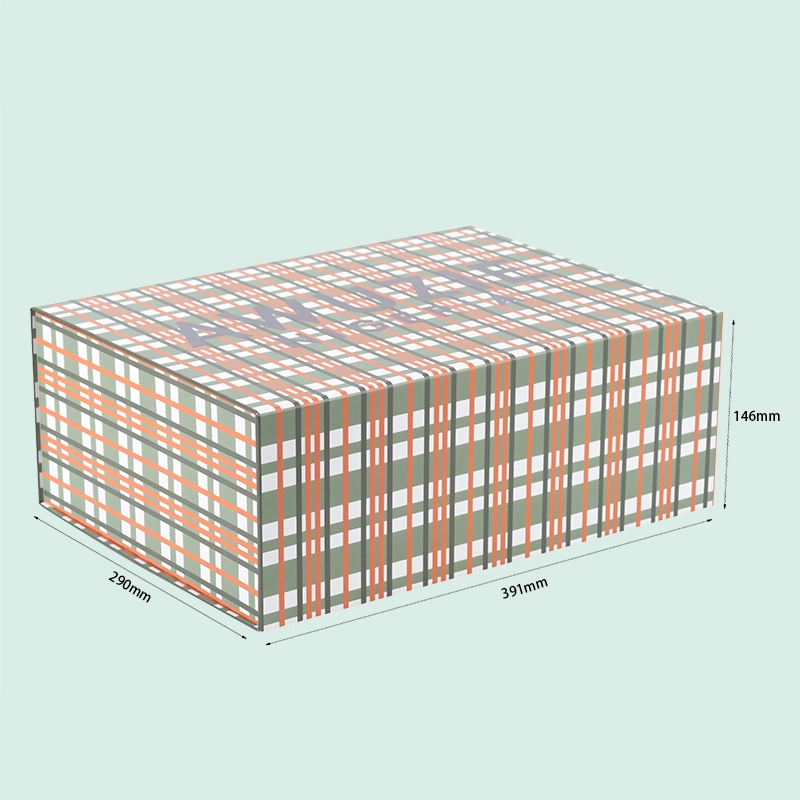
Closures take constant stress. A magnetic flap must hold firmly but release smoothly, which means selecting magnets of the right strength and positioning them precisely so they align each time. Ribbons need secure anchoring to avoid tearing out. Tuck flaps rely on accurate tolerances so they slide in snugly without damaging the board. Testing involves opening and closing a box hundreds of times to see where wear appears. Small adjustments, such as reinforcing a hinge or repositioning a magnet, can dramatically extend lifespan. Ipack Packaging uses this kind of practical feedback to refine its structures, because a closure that fails early undermines the premium impression the rest of the box worked hard to create.
Testing and Quality Assurance
Engineering theory means little without real-world testing. Boxes can be subjected to compression tests, drop tests, and vibration trials to simulate shipping conditions. Samples are loaded with actual products to see how they behave under stress. Humidity chambers reveal how materials respond to damp environments. Results guide adjustments to board thickness, insert design, or carton packing methods. This cycle of testing and refinement is why a well-made foldable gift box can feel both luxurious and surprisingly tough. The elegance customers see is supported by a quiet foundation of science, ensuring the package looks beautiful on arrival and continues to look beautiful long after the gift has been opened.