Why Morpheus8 Is the Ultimate Skin Rejuvenation Trend
Posted by Asthetic health care
171 views
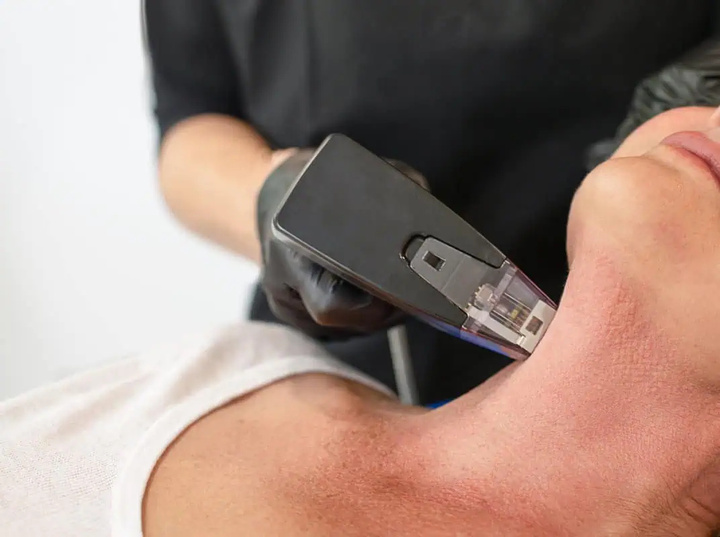
Skin rejuvenation has moved beyond simply treating wrinkles on the surface. Today, people are looking for procedures that can improve texture, firmness, scars, and signs of aging while requiring less downtime than traditional surgery. This is one reason Morpheus8 Treatment in Dubai has gained attention as a modern radiofrequency microneedling option. By combining controlled microneedling with radiofrequency energy, the treatment is designed to encourage collagen remodeling beneath the skin while addressing several visible concerns at once. Research on radiofrequency microneedling supports improvements in skin texture and tightening, although results and treatment protocols can vary from person to person.
What Makes Morpheus8 Different From Traditional Skin Treatments?
Morpheus8 belongs to the broader category of radiofrequency microneedling, which combines two mechanisms in one procedure. Fine needles create controlled micro-injuries, while radiofrequency energy delivers heat into targeted layers of the skin. This combination can stimulate the body's wound-healing response and support collagen and elastin remodeling.
Traditional microneedling primarily relies on mechanical stimulation. Radiofrequency microneedling adds thermal energy, potentially creating a more substantial remodeling effect within the dermis. Reviews of the technology have reported improvements in wrinkles, skin tightening, texture, and acne scarring, although the strength of evidence differs across conditions and devices.
This approach is particularly appealing to people who want noticeable skin improvement without immediately turning to surgical procedures. It is minimally invasive rather than completely non-invasive, so appropriate preparation, treatment settings, and aftercare still matter.
How Radiofrequency Microneedling Supports Skin Rejuvenation
One of the main reasons this treatment has become a popular skin rejuvenation treatment is its focus on the deeper skin structure rather than only the surface.
As skin ages, collagen production and the quality of the supporting dermal framework gradually change. Radiofrequency microneedling uses controlled energy to create a wound-healing response, which can encourage collagen remodeling over time. The result is not an instant transformation but a gradual improvement in firmness and texture.
A 2026 systematic review examining radiofrequency microneedling for facial rejuvenation found consistent improvements in aesthetic outcomes, particularly skin texture and tightening. The review also reported that common adverse effects were generally mild and temporary, such as redness and swelling.
Because collagen remodeling develops progressively, patients may continue noticing changes after the initial treatment period rather than seeing the complete effect immediately after a session.
Which Skin Concerns Can Morpheus8 Address?
The versatility of radiofrequency microneedling is another factor behind its growing popularity. Depending on the patient's skin condition and the treatment plan selected by a qualified professional, it may be considered for several concerns.
Common areas of interest include:
- Fine lines and wrinkles
- Mild to moderate skin laxity
- Uneven skin texture
- Enlarged-looking pores
- Acne scars
- Certain signs of photoaging
- Loss of firmness around the face and jawline
- Texture concerns on areas such as the neck
Clinical reviews have found evidence for radiofrequency microneedling in facial rejuvenation and acne-scar management. A systematic review of fractional radiofrequency microneedling for acne scars, for example, found the technique likely to be effective, while also noting that additional high-quality trials are needed to establish ideal treatment parameters.
The important point is that Morpheus8 should not be viewed as a universal solution for every skin problem. A consultation helps determine whether the technology matches the patient's specific concern, skin type, and desired outcome.
Why Morpheus8 Is Trending in Modern Aesthetic Care
The current interest in Morpheus8 Treatment is closely connected to a broader shift in aesthetic medicine: patients increasingly want natural-looking improvements without lengthy recovery.
Several features make radiofrequency microneedling attractive:
Minimal disruption to daily life
Compared with many surgical procedures, radiofrequency microneedling generally involves a shorter recovery period. Temporary redness, swelling, sensitivity, or discomfort can occur, but these effects commonly settle as the skin recovers.
Gradual, natural-looking improvement
Collagen remodeling happens progressively. Rather than dramatically changing facial features, the goal is usually to improve qualities such as firmness, smoothness, and texture.
Multiple concerns can be targeted
A treatment plan may address more than one concern, such as laxity and uneven texture. This multifunctional nature is one reason radiofrequency microneedling has become an important part of contemporary aesthetic treatment options.
Suitable for many skin tones
Radiofrequency microneedling has also attracted interest for skin of color. A systematic review examining RF and RF microneedling in Fitzpatrick skin types III–VI found generally favorable safety outcomes, although pigmentation changes can still occur and treatment must be individualized.
These advantages help explain why the treatment continues to attract attention among people seeking nonsurgical skin tightening and rejuvenation.
What Should You Expect During and After Treatment?
Before treatment, a qualified practitioner should assess the skin, discuss concerns, review relevant medical information, and determine whether radiofrequency microneedling is appropriate. The treatment area is generally prepared and a topical anesthetic may be used to improve comfort.
During the procedure, the device uses microneedles to reach selected skin depths while delivering radiofrequency energy. Treatment settings should be customized because different parts of the face have different skin thicknesses and anatomical considerations.
Afterward, the skin may appear red or feel warm and sensitive. Some people experience swelling or other temporary reactions. Recovery varies according to treatment intensity, individual skin characteristics, and the area treated.
Good aftercare is essential. Patients should follow their provider's instructions regarding cleansing, skincare products, sun exposure, and returning to normal activities.
It is also important not to judge the final result too quickly. Since collagen remodeling is gradual, visible improvement may develop over the following weeks and months. Earlier research has noted that radiofrequency microneedling-related dermal remodeling can continue progressing for months after treatment.
Is Morpheus8 Safe for Everyone?
Although radiofrequency microneedling has a favorable safety profile in published research, no aesthetic procedure is completely risk-free. Temporary redness, swelling, discomfort, crusting, and pigmentation changes have been reported, and inappropriate energy settings or technique can increase the risk of complications.
The American Academy of Dermatology has also highlighted the importance of qualified medical professionals when performing RF microneedling following an FDA safety communication about potential risks associated with certain uses of the technology.
For that reason, choosing a qualified and experienced practitioner is more important than simply choosing a popular treatment. During a consultation, patients should ask about the device being used, the practitioner's qualifications, expected downtime, possible side effects, and whether the treatment is appropriate for their skin.
People with active skin infections, certain inflammatory skin conditions, or other medical considerations may need to postpone or avoid treatment. Individual suitability should always be established during a professional assessment rather than assumed from online information.
Why the Trend Is Likely to Continue
The popularity of Morpheus8 reflects a larger movement toward treatments that combine technology, personalization, and relatively limited downtime. Instead of focusing exclusively on removing surface imperfections, modern rejuvenation approaches increasingly aim to influence the deeper structures responsible for firmness and texture.
Radiofrequency microneedling fits this direction particularly well because it combines controlled mechanical stimulation with thermal energy. Current research supports its potential for facial rejuvenation, skin tightening, and texture improvement, while also emphasizing the need for better standardized protocols and longer-term research.
That balance is important. Morpheus8 should not be marketed as a miracle procedure or a replacement for every cosmetic treatment. Its appeal comes from its ability to offer a versatile, minimally invasive option for selected patients seeking progressive improvements in skin quality.
Conclusion
The appeal of Morpheus8 Treatment comes from its ability to combine microneedling and radiofrequency energy in a single skin-rejuvenation approach. By supporting collagen remodeling, it can help improve concerns such as uneven texture, fine lines, acne scars, and mild laxity while generally involving less downtime than surgical rejuvenation. Research supports the broader use of radiofrequency microneedling, although outcomes depend on individual factors, treatment settings, and practitioner expertise.
For anyone considering this trend, the smartest first step is a professional consultation rather than choosing a procedure based solely on its popularity. A personalized assessment can determine whether the technology is suitable for your skin and what kind of results can realistically be expected.