Natural Facelift Results Delivered Without Surgery via Thread Lift
Posted by Asthetic health care
Filed in Health 30 views
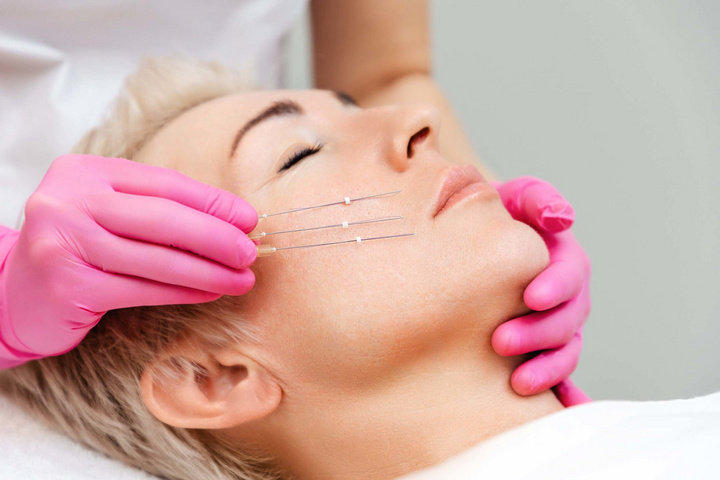
Aging can gradually soften the jawline, lower the cheeks, and create mild skin laxity, but not everyone wants a surgical facelift to address these changes. Thread Lift in Dubai has become a minimally invasive option for people seeking a refreshed, more defined appearance without traditional facelift surgery. Using absorbable sutures placed beneath the skin, the procedure can provide a subtle lifting effect while also supporting the skin’s natural collagen response.
What Is a Thread Lift and How Does It Work?
A thread lift is a minimally invasive cosmetic treatment designed to lift selected areas of mildly sagging facial or neck tissue. Unlike a traditional facelift, it does not involve extensive incisions or surgical removal of excess skin.
During the procedure, a qualified practitioner places medical-grade, absorbable threads beneath the skin. Depending on the treatment plan, the threads can mechanically reposition targeted tissue while stimulating collagen production as the body responds to the threads.
The objective is not to dramatically change facial features. Instead, the treatment is generally focused on creating a more supported and refreshed appearance while preserving the individual's natural facial character.
Common areas that may benefit include:
- Lower cheeks and early jowls
- Jawline
- Eyebrow area
- Neck with mild laxity
- Areas showing early signs of facial sagging
The exact placement and number of threads depend on facial anatomy, skin condition, and the desired outcome.
Why Thread Lift Can Create Natural-Looking Facial Definition
One of the main reasons people consider a thread lift is the desire for improvement without an obviously altered appearance. A carefully planned treatment can focus on subtle repositioning rather than creating an overly tight or pulled look.
The treatment may also complement the skin's natural structure through collagen stimulation. Collagen helps support skin firmness and elasticity, although the extent of improvement varies from person to person.
For someone experiencing early facial laxity, improving support around the cheeks or jawline can make the contours appear cleaner. The result can be a fresher appearance while retaining familiar facial proportions.
This makes non-surgical facial rejuvenation particularly appealing to individuals who want refinement rather than a dramatic transformation.
Thread Lift in Dubai for Early Signs of Skin Laxity
Not every person with facial aging requires a surgical facelift. A thread lift may be considered when concerns involve relatively mild sagging, early jowls, or a loss of definition rather than significant excess skin.
According to the American Society of Plastic Surgeons, thread lifts can address early loosening of facial structures, jowls, sagging eyebrows, and premature loosening of neck skin.
A consultation is important because facial aging is different for everyone. Skin thickness, elasticity, bone structure, soft-tissue distribution, and the degree of laxity all influence whether the procedure is appropriate.
A practitioner may assess:
- The areas where facial support has reduced.
- The degree of skin laxity.
- Existing facial proportions and symmetry.
- The patient's expectations.
- Whether a thread lift is suitable or another treatment would provide a better result.
Realistic expectations are particularly important. A thread lift provides a subtle lift and is not intended to reproduce the more extensive changes possible with surgical facelift procedures.
What Happens During the Treatment?
The procedure is generally performed using local anesthesia for comfort. Instead of the larger incisions associated with facelift surgery, thread lifting typically involves small entry points through which the threads are positioned under the skin.
The practitioner carefully determines the direction and placement of the threads according to the treatment area. Once positioned, the threads provide support to targeted tissue, helping create improved definition.
The immediate appearance can be influenced by swelling and bruising, so the final aesthetic result should not be judged immediately after treatment. As these temporary effects settle, the treated area can appear smoother and more defined.
Because thread lifting is minimally invasive, recovery is generally shorter than that associated with a traditional facelift. However, individual recovery can differ, and following the practitioner's aftercare instructions is essential.
Recovery, Results, and Aftercare
Some swelling, bruising, irritation, tightness, or discomfort can occur during the initial healing period. The American Society of Plastic Surgeons notes that many patients are presentable in around three to five days, although complete healing can take several weeks.
Patients should follow their individualized aftercare instructions rather than assuming that recovery is identical for everyone. Depending on the treatment, practitioners may recommend avoiding excessive facial movement, pressure, abrasion, or strenuous activity for a period of time.
Results become more apparent as swelling and bruising decrease. Because the threads gradually dissolve, the lifting effect is temporary, and natural aging continues afterward. Cleveland Clinic notes that thread-lift results can last approximately one to three years, although longevity varies between individuals and treatment circumstances.
Maintaining healthy skin habits, including appropriate sun protection, can also support the overall appearance of the skin over time.
Is a Thread Lift Right for You?
The ideal candidate is not simply someone who wants a younger-looking face. Suitability depends on the degree of laxity, skin characteristics, treatment goals, and overall health.
Thread lifting may be worth discussing with a qualified practitioner if you:
- Have early signs of facial or neck laxity.
- Want more definition around the jawline or cheeks.
- Prefer a minimally invasive approach.
- Want subtle rather than dramatic changes.
- Understand that the results are temporary.
- Are willing to follow post-treatment instructions.
People with substantial excess skin or advanced facial aging may require a different approach. A surgical facelift can address more extensive tissue changes and skin laxity, whereas a thread lift is generally better suited to more limited concerns.
A professional consultation should therefore come before deciding on treatment. During this appointment, the practitioner can examine facial anatomy, discuss realistic outcomes, explain potential risks, and determine whether thread lifting is appropriate.
Safety and Choosing a Qualified Practitioner
Although thread lifting is minimally invasive, it is still a medical procedure and should not be treated as a completely risk-free beauty treatment. Possible complications include infection, swelling, bruising, pain, thread extrusion, sensitivity, and an unfavorable cosmetic result.
Choosing an appropriately qualified and experienced practitioner is therefore an important part of the process. Patients should ask about professional credentials, experience with thread-lift techniques, the type of threads used, expected recovery, possible complications, and how concerns would be managed if they occur.
A good consultation should also involve an honest discussion about what the treatment cannot achieve. Natural-looking results are more realistic when the treatment plan is based on individual facial anatomy rather than attempting to create an identical result to someone else's before-and-after photograph.
Conclusion
For individuals with early facial laxity who want improved definition without traditional facelift surgery, Thread Lift can offer a minimally invasive approach to facial rejuvenation. By combining a lifting effect with collagen stimulation, it may help create a fresher, more supported appearance while maintaining natural facial proportions.
The most important step is choosing a qualified practitioner and discussing realistic expectations during a personalized consultation. When appropriately selected and performed, the treatment can be an option for those seeking subtle facial refinement rather than a dramatic surgical transformation.